
Dover LPA BNG
Expert support for Biodiversity Net Gain in Dover LPA. BNG assessments, habitat mapping & access to local BNG units.

.avif)
Trusted by Developers and Landowners







Biodiversity Net Gain in Dover LPA Local Planning Authority
Dover, situated in Kent, is a district authority encompassing a combination of coastal urban areas, rural villages, and extensive countryside. Covering approximately 370 square kilometres, the district includes the port town of Dover along with rural settlements, chalk cliffs, and agricultural land.
Aligned with the Environment Act 2021, Dover District Council requires most development projects to achieve a minimum of 10% Biodiversity Net Gain (BNG). This can be delivered via on-site habitat creation or enhancement, off-site biodiversity units, or contributions to local and strategic ecological networks.
The LPA falls largely within the North Downs and North Kent Plain National Character Areas, supporting habitats such as chalk grasslands, ancient woodlands, coastal cliffs, and wetland areas.
The varied landscape offers significant opportunities for BNG through chalk grassland restoration, woodland management, coastal habitat enhancement, and wetland creation.
For developers, landowners, and planning professionals working in Dover, understanding local habitats, planning policies, and biodiversity priorities is vital. Our team offers comprehensive BNG assessments, habitat surveys, and ecological consultancy services.
To learn more or receive updates about BNG units and schemes in the area, get in touch with us.
Habitats in Dover LPA Local Planning Authority
.avif)
Dover supports a diverse range of habitats recognised under the Biodiversity Net Gain framework.
Grassland and Chalk Habitats
Chalk Grassland: Species-rich downland supporting rare flora and invertebrates.
Improved Grassland: Agricultural land with potential for habitat enhancement.
Woodland and Forest Habitats
Ancient Woodland: Scattered across the district, important for wildlife conservation.
Secondary Woodland: Present on former agricultural and disturbed sites.
Wetland and Coastal Habitats
Coastal Cliffs and Vegetated Shingle: Unique habitats supporting specialised species.
Wet Meadows and Ponds: Provide habitat for amphibians and insects.
Hedgerows and Linear Features
Species-Rich Hedgerows: Acting as wildlife corridors linking habitats throughout the district.
Dover LPA BNG Planning
High distinctiveness habitats such as chalk grasslands, ancient woodlands, and coastal cliffs are crucial for achieving meaningful biodiversity net gain and require careful protection and management.
Lower distinctiveness habitats like improved grassland and secondary woodland offer opportunities for habitat creation and restoration.

Dover
Deal
Sandwich
Get notified of a scheme
We do not currently have any schemes covering this LPA.
Get notified when a scheme is available in this area.
Discover Schemes in
Dover LPA
LPA
Restoring ecosystems and creating sustainable habitats
through BNG and nutrient mitigation.
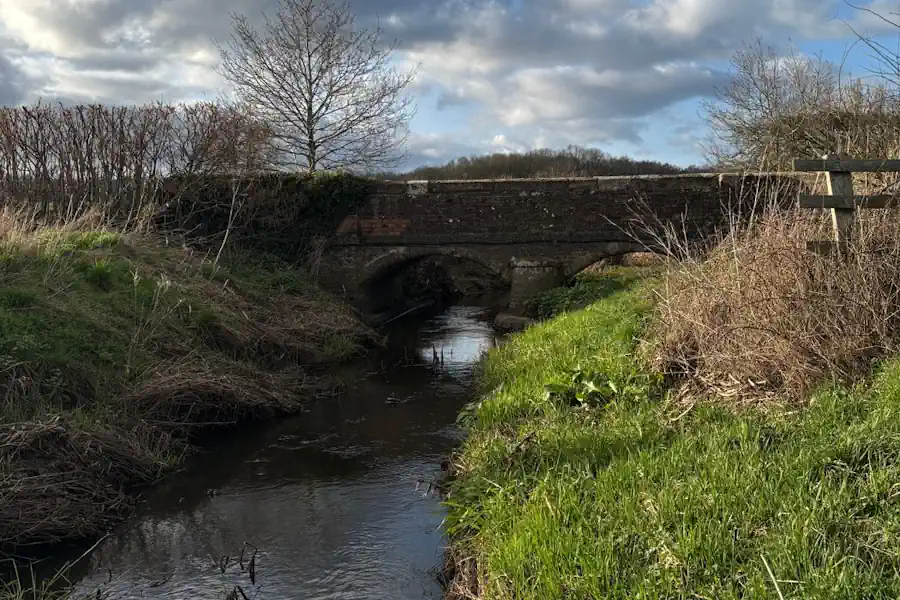
Shavington Estate
Shavington Estate
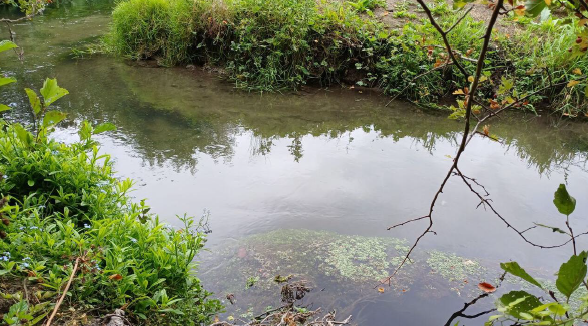
Hurst Farm
Hurst Farm
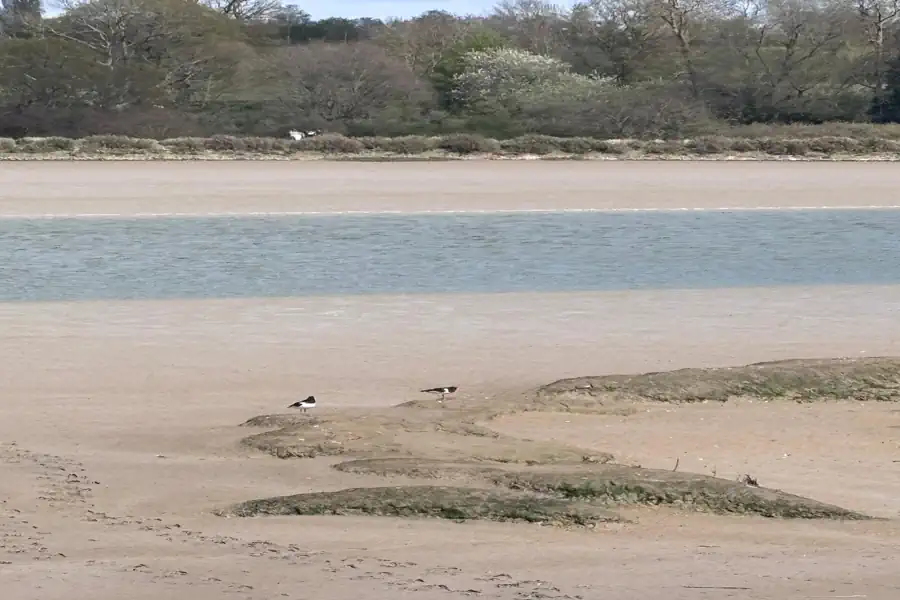
Essex BNG at Priors Farm
Essex BNG at Priors Farm

Somerset BNG Scheme
Trinity Farm & Eastcombe Fields
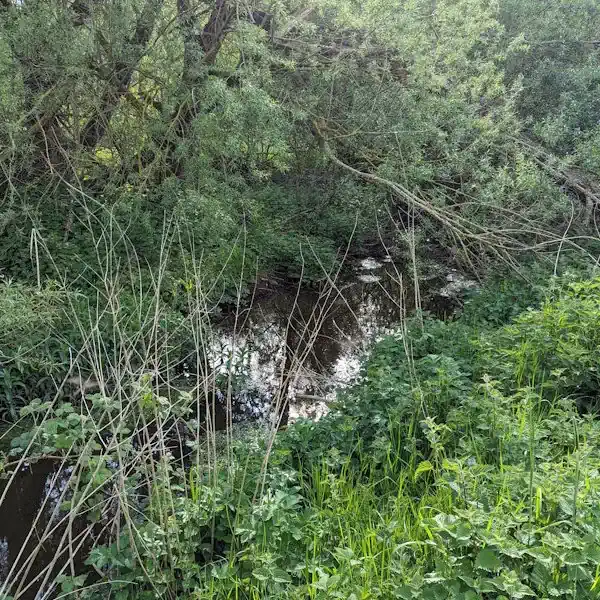
Tees Nutrient Mitigation
Tees Nutrient Mitigation Scheme
.jpg)
Wiltshire BNG at Lydeway
Land at Lydeway
.jpg)
Herefordshire BNG at Hampton Wafre
Hampton Wafre Farm
Are you looking to start a BNG scheme?
Talk to Greenshank and explore the opportunities we offer through your land.
Latest News
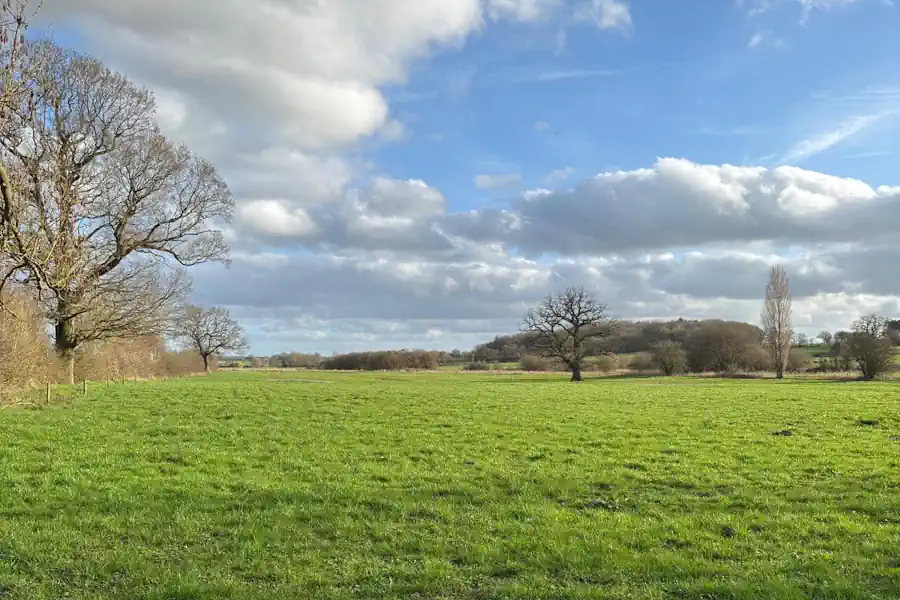
A step-by-step guide for landowners looking to sell their land as BNG units, and how Greenshank can help at every stage of the process.
.webp)
Find out how biodiversity net gain legislation works under the Environment Act 2021, what it requires, and which developments are exempt.
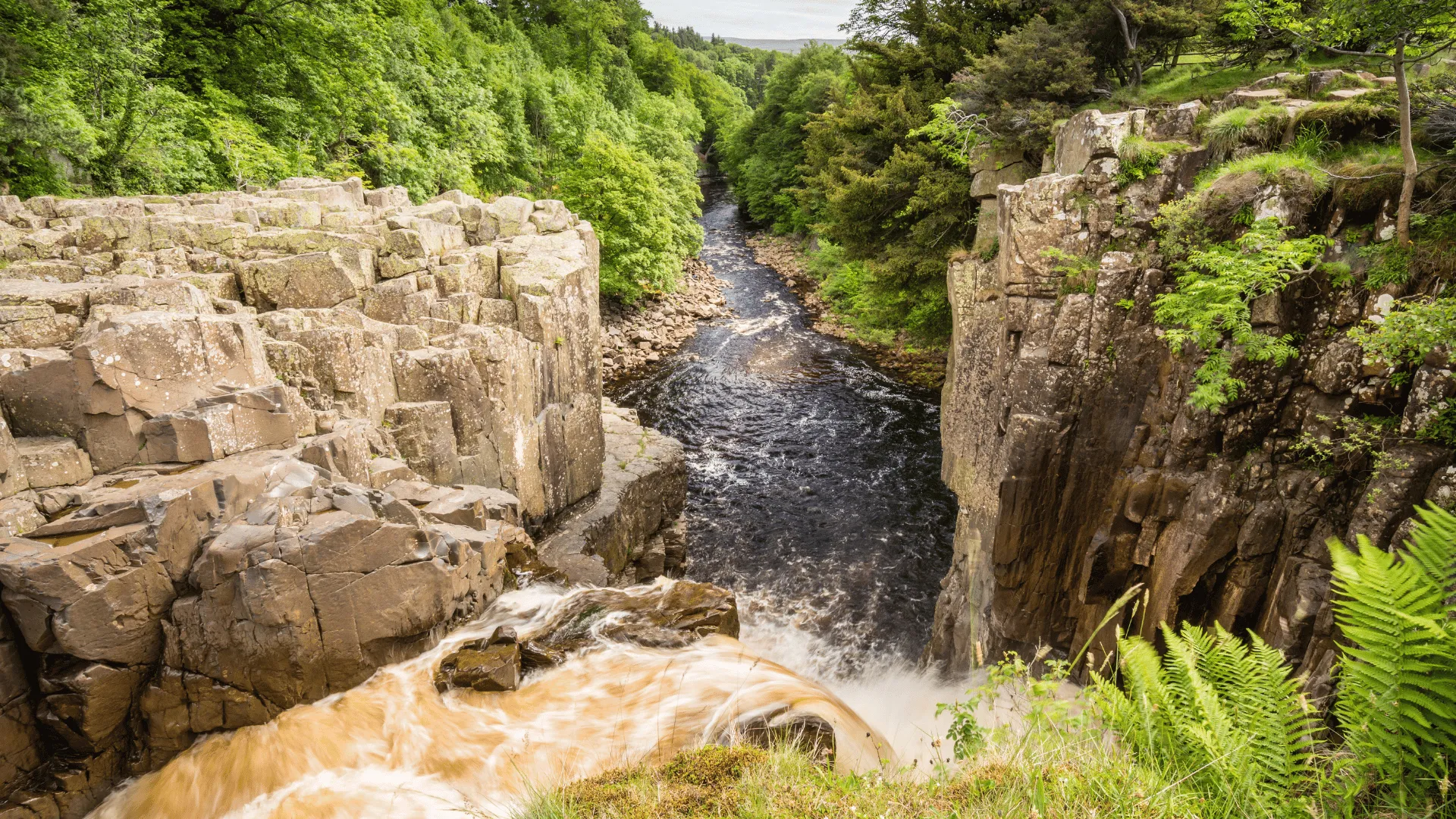
Find out how nutrient mitigation schemes work for landowners, how nutrient credits are generated, and how to combine nutrient and BNG income.