
Ashford LPA BNG
Biodiversity Net Gain in Ashford, where BNG and Stodmarsh nutrient neutrality can both apply. Expert support and access to local BNG units.
.avif)
Trusted by Developers and Landowners







Biodiversity Net Gain in Ashford Local Planning Authority
Ashford is a borough of market towns, orchards and farmland, with two nationally protected landscapes, the Kent Downs and the High Weald, inside its boundary. The Great Stour runs through the borough, and Ashford Green Corridors, a 47-hectare local nature reserve of lake, ponds, meadow and parkland, threads through the town itself. Further out lie Wye National Nature Reserve on the North Downs, Hamstreet Woods National Nature Reserve and more than 80 Local Wildlife Sites.
Biodiversity Net Gain became a legal requirement for major developments in England on 12 February 2024, and for small sites on 2 April 2024. Ashford Borough Council follows the national gain hierarchy: on-site first, then registered off-site units, with government statutory credits only as a last resort and only with the council’s prior permission. For a scheme that cannot deliver on site, registered habitat banks in the borough and nearby are the next step.
Ashford also sits in the Stodmarsh catchment. Since Natural England’s advice in 2020, new development in the affected area has had to show nutrient neutrality, so a scheme here can face two statutory tests at once: Biodiversity Net Gain and nutrient mitigation.
Habitats in Ashford Local Planning Authority
.avif)
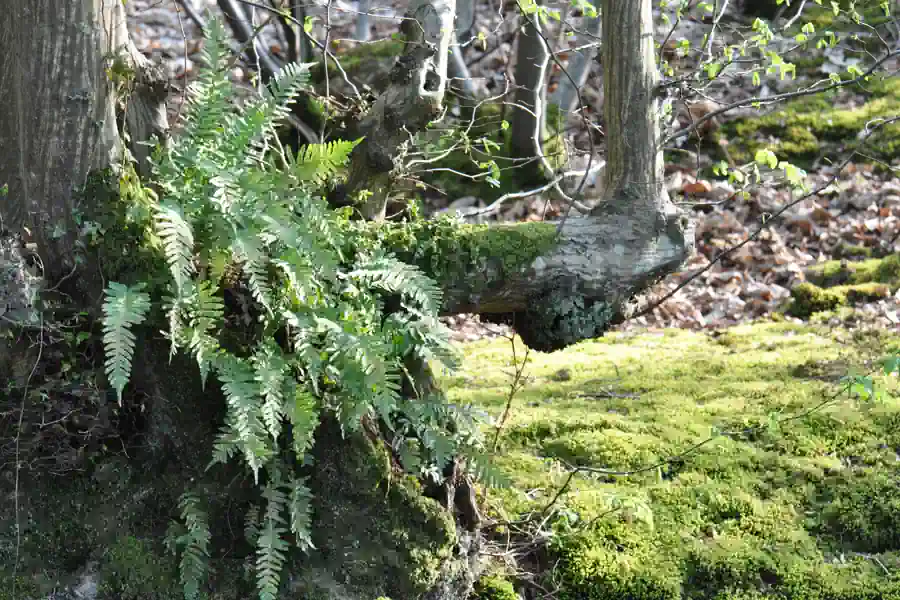
Ashford’s habitats run from chalk grassland on the North Downs to ancient woods and meadows on the Weald.
- Ancient Woodland: scattered throughout the borough.
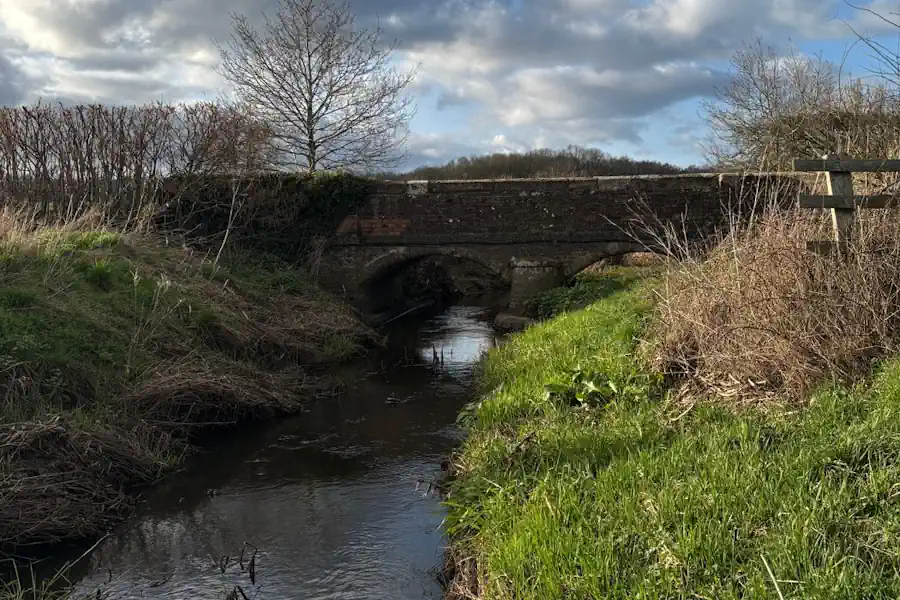
- Chalk Streams and Rivers: including the Great Stour, supporting aquatic life.
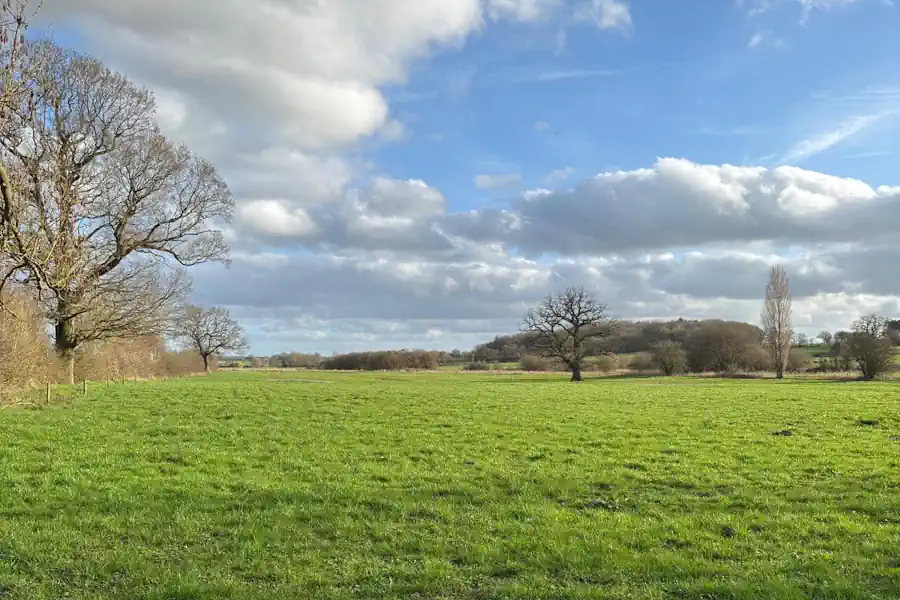
- Improved Grassland: common in agricultural landscapes, with potential for enhancement.
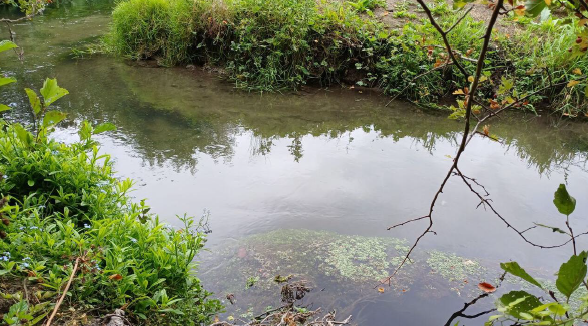
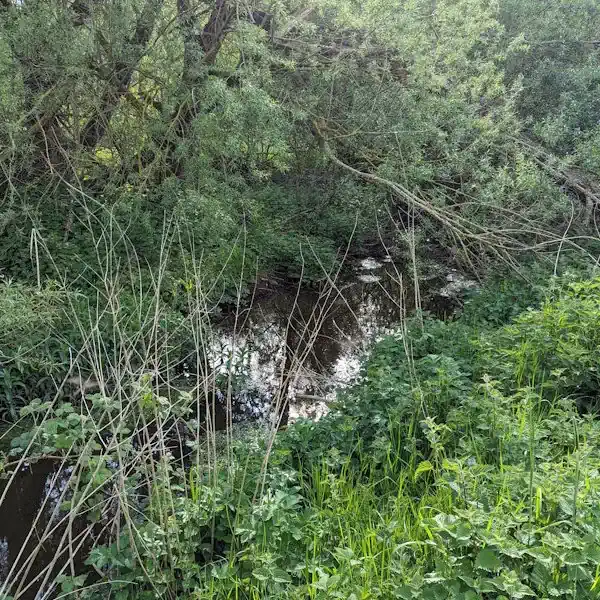
- Ponds and Wet Meadows: habitat for amphibians and invertebrates.
- Secondary Woodland: present in fragmented patches across the area.
- Species-Rich Grassland: found on chalk and neutral soils, supporting diverse flora and fauna.
- Species-Rich Hedgerows: ecological corridors linking habitats.
Ashford LPA BNG Planning
High distinctiveness habitats such as ancient woodland, species-rich grasslands, and chalk streams are vital to achieving meaningful biodiversity net gain and require careful protection and management.
Lower distinctiveness habitats like improved grassland and secondary woodland offer additional opportunities for habitat creation and enhancement.

Ashford
Tenterden
Get notified of a scheme
We do not currently have any schemes covering this LPA.
Get notified when a scheme is available in this area.
Discover Schemes in
Ashford LPA
LPA
Restoring ecosystems and creating sustainable habitats
through BNG and nutrient mitigation.
Shavington Estate
Shavington Estate
Hurst Farm
Hurst Farm
Essex BNG at Priors Farm
Essex BNG at Priors Farm

Somerset BNG Scheme
Trinity Farm & Eastcombe Fields
Tees Nutrient Mitigation
Tees Nutrient Mitigation Scheme
.jpg)
Wiltshire BNG at Lydeway
Land at Lydeway
.jpg)
Herefordshire BNG at Hampton Wafre
Hampton Wafre Farm
Are you looking to start a BNG scheme?
Talk to Greenshank and explore the opportunities we offer through your land.
Latest News
A step-by-step guide for landowners looking to sell their land as BNG units, and how Greenshank can help at every stage of the process.
.webp)
Find out how biodiversity net gain legislation works under the Environment Act 2021, what it requires, and which developments are exempt.
Find out how nutrient mitigation schemes work for landowners, how nutrient credits are generated, and how to combine nutrient and BNG income.