
Guide to Investing in Natural Capital

.webp)
More than half the world's GDP - around $58 trillion1 - depends on nature. In the 10 years to 2025, private investment in nature increased five-fold, from an annual $3.9 billion to $65.3 billion.2
It sounds impressive but, as UNEP's State of Finance for Nature report revealed, an eyewatering $7.3 trillion was spent in 2023 destroying nature, 30 times the amount deployed to protect it.3
That's a lot of big numbers but natural capital is a global resource - as well as an under-invested one.
To meet the Rio biodiversity, climate and land restoration targets,4 annual investment in nature-based solutions must reach $571 billion by 2030 - accounting for just 0.5% of global GDP.
As the UNEPs report states: "Investing in NbS is not just an environmental imperative, it is a high-return, long-term strategy for economic resilience and intergenerational well-being."
This guide will examine how investment in nature works in practice, the main forms of investment in this space, and the key challenges that must be addressed before deploying capital.
What Is Investment in Nature?
Growing numbers of investors are realising there are substantial benefits to investing in nature and conservation - and not just ecological ones.5
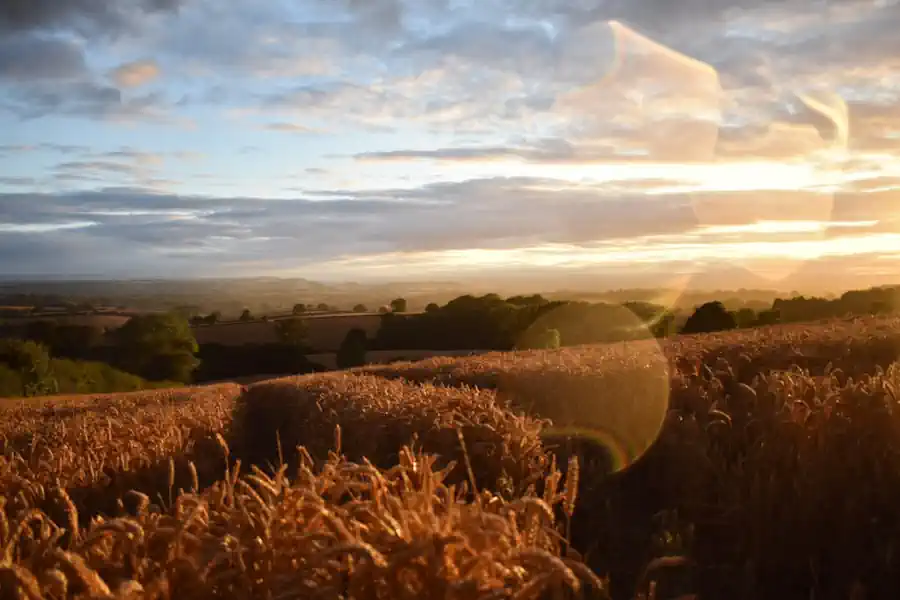
Directing finance to wetlands, forests, reefs and other vulnerable ecosystems can kick-start local economies, creating sustainable, long-term revenue streams.6
Investing in nature differs from conventional, environmental philanthropy because it aims to generate financial returns, rather than merely pay for conservation projects.
To maximise the investment opportunities offered by natural capital, it should be treated as a legitimate asset class within diversified investment portfolios.
Natural Asset Classes
Sustainable Forestry
The world's forests are among its most valuable assets, in both an ecological and economic sense. Despite their crucial role in supporting biodiversity and human life, forests don't attract as much finance as they should.7
Yet there are many investment opportunities in sustainable forestry,8 from timber production, and carbon credits, to biodiversity units and ecosystem services payments.
Alongside the obvious environmental benefits, investing in sustainable forestry offers long-term capital appreciation, inflation-linked returns, and diversification benefits within broader portfolios.
Farmland and Regenerative Agriculture
For centuries, owning land was an indication of wealth. In the 21st century, farmland is increasingly being regarded as a valuable asset class by investors,9 particularly as transitional land.10
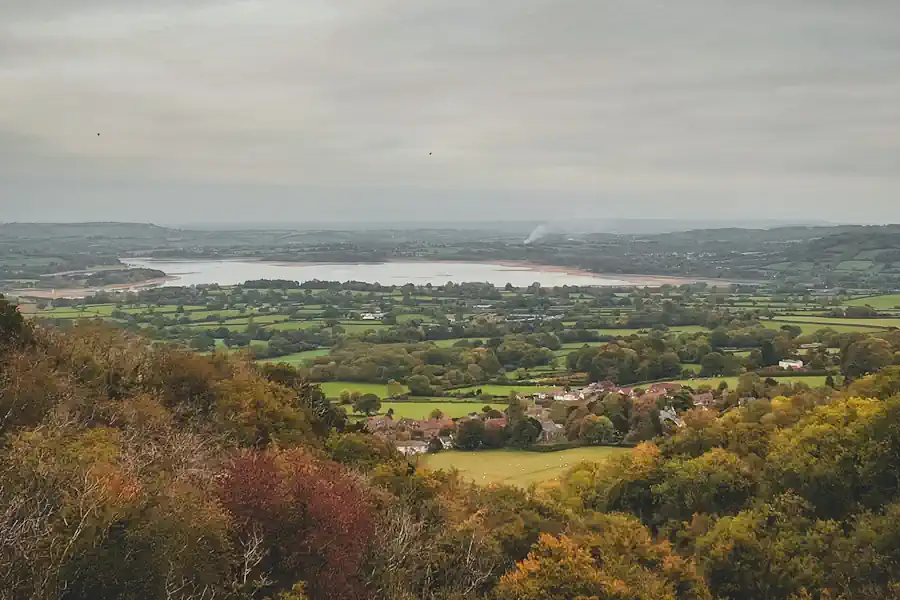
Although agriculture is a major contributor to greenhouse gas emissions and a driver of climate change, the sector is also at risk from the climate crisis.11 In Europe alone, almost one third of agricultural lands was affected by "significant" degradation from multiple sources, while over half was impacted by "critical levels" of individual land degradation processes.12
Investing in farmland as a natural capital strategy can shift the focus to implementing sustainable, regenerative management processes on agricultural land. That could be building or restoring soil health, reducing pesticide use, and/or creating habitat.
In England, this transition helps create BNG units for developers looking to achieve biodiversity net gain. It can also generate carbon credits and water quality payments; sustainable revenue streams that go beyond food production and restore these valuable natural assets.
Biodiversity and Habitat Banking
In February 2024, biodiversity net gain became English law, requiring developers to enhance habitats impacted by the projects by a minimum of 10% as a condition of planning permission.13
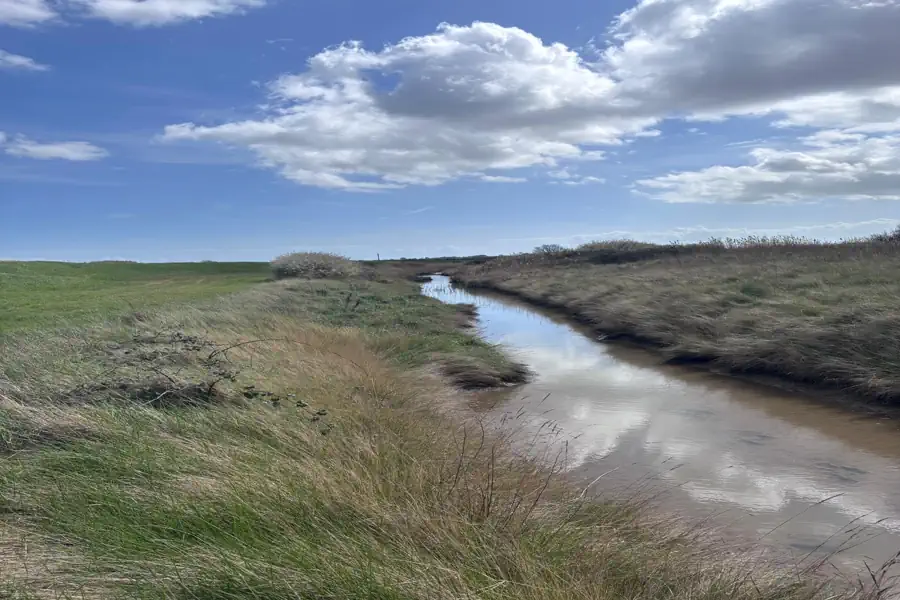
Habitat banks are made by landowners and managers, and are either created or restored. Good examples include converting arable land to species-rich grassland, restoring wetlands, or planting native woodland.
Their value is measured and assessed using the Statutory Biodiversity Metric, and can be bought by developers through the biodiversity gains site register, enabling them to meet their BNG obligations.
Legal agreements ensure these habitat banks are monitored and maintained for a minimum of 30 years, making them a protected, sustainable source of revenues, as well as a provider of ecosystem services benefits, such as carbon sequestration, flood attenuation, and water quality improvement.
Habitat banking is a growth investment opportunity in the UK.
Blue Carbon and Coastal Habitats
Wetlands, saltmarshes, seagrass beds and coastal areas are known as blue carbon ecosystems.14 They play an outsized role in controlling greenhouse gas emissions, as they absorb and store a huge amount of carbon relative to their size.15
Blue carbon remains a nascent market,16 but it is attracting growing interest from investors seeking innovative, nature-based solutions that have significant benefits.
.webp)
Investing in the protection and restoration of coastal regions and blue carbon areas doesn't just protect these important habitats, it generates carbon credits, as well as untold biodiversity and water quality benefits.
Landscape-Scale Conservation Projects
Large-scale conservation projects around the world, from rewilding programmes and national park restoration to nature recovery partnerships, are increasingly financed with a combination of private investment and public funding.17
As new approaches and structures are developed to make sure these projects meet investor expectations, the market is proving that a positive impact on nature can co-exist with robust financial performance.18
Revenue models from large-scale conservation projects include carbon markets, ecosystem services payments, sustainable tourism, and impact investment frameworks.
The Investment Case - Portfolio Considerations
From a portfolio perspective, the assets provided by natural capital are attractive for long-term investors for several reasons.19
.webp)
First, these investments (particularly timber and agriculture, but other markets are expected to grow) have a low correlation20 to traditional asset classes, and can be an effective risk mitigant for investors building a portfolio.
Focusing on transparent, developed markets limits any liquidity risk, while a diverse range of investments can provide resilience amid economic headwinds.
Robust modelling and a focus on creating value through active management also reduces the risk of nasty surprises, enabling investments to generate long-term, sustainable returns.
Valuation and Measurement
One of the biggest obstacles to global investment in natural capital is the lack of standardised frameworks to measure, value, and report on natural capital assets.21
Existing systems such as the Natural Capital Protocol22 and the Taskforce on Nature-related Financial Disclosures,23 provide a framework of sorts, but a lack of overall understanding, clarity and cohesion24 weighs on the confidence of institutional investors.
Liquidity
Investments in natural capital are fundamentally illiquid, and liquidity constraints are an intrinsic constraint and defining feature of the asset class.25
Liquidity concerns are central to the investment structure decisions that financial institutions and investors must make when accessing this natural capital.
For example, land cannot be sold quickly without potentially destroying its ecological value. Long-term legal agreements securing biodiversity or carbon outcomes can restrict what can be done with it, while markets for ecosystem services are still developing.
Investors must be sure of their exit options before committing capital to long-duration conservation projects.
Governance and Due Diligence
Due diligence for investment in natural assets requires specialist ecological and environmental expertise, lots of empirical data, and conventional financial and legal analysis26 to ensure investor confidence.
Governance structures for conservation projects are often just as complex, needing to address issues such as community rights, long-term management obligations, and the risk of poor stewardship degrading natural capital assets.
Institutional investors are increasingly partnering with specialist organisations to carry out robust due diligence, ensuring governance structures are robust over multi-decade periods.
Policy and Regulatory Risk
Even long-term policy frameworks, such as carbon markets, biodiversity payment schemes, or infrastructure planning,27 can change, potentially affecting returns from natural capital investments.
Investors need to manage their exposure to policy change, particularly for investments with 20-30 year lifespans, where regulatory shifts are more likely.
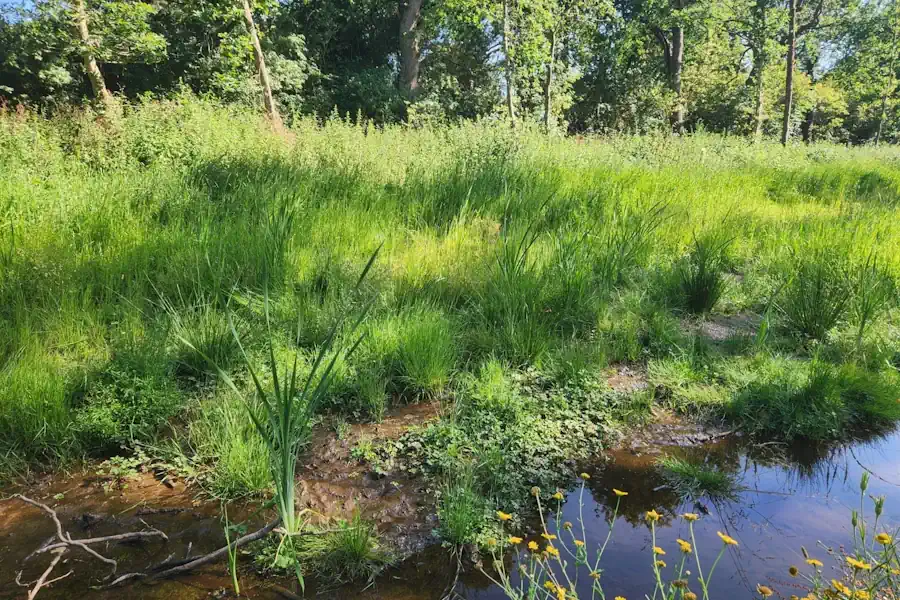
Investing in natural capital projects with multiple revenue streams, including biodiversity units, carbon, ecosystem services payments, or sustainable production, reduces dependency on any single regulatory framework and the risk of any negative changes.
The Size of the Opportunity and the Investment Gap
Investments Are Falling Short of What Is Needed
According to analysis by the Paulson Institute, The Nature Conservancy, and the Cornell Atkinson Center for Sustainability at Cornell University,28 between $598 and $824 billion needs to be spent every year to reverse biodiversity decline by 2030.
Investments in timberland, farmland, habitat banking, and other nature-based solutions are growing, but experts agree they must scale dramatically if the funding gap is to be closed.
In the long term, investments to restore and protect natural assets will need to become a mainstream allocation within institutional portfolios, rather than a specialist niche.
Natural Asset Companies are very new but aim to connect finance with conservation and restoration. They could be the catalyst that makes that shift happen.29
Climate Finance and Nature Finance Converging
Climate change accelerates habitat loss, while biodiversity loss reduces nature's ability to sequester carbon.
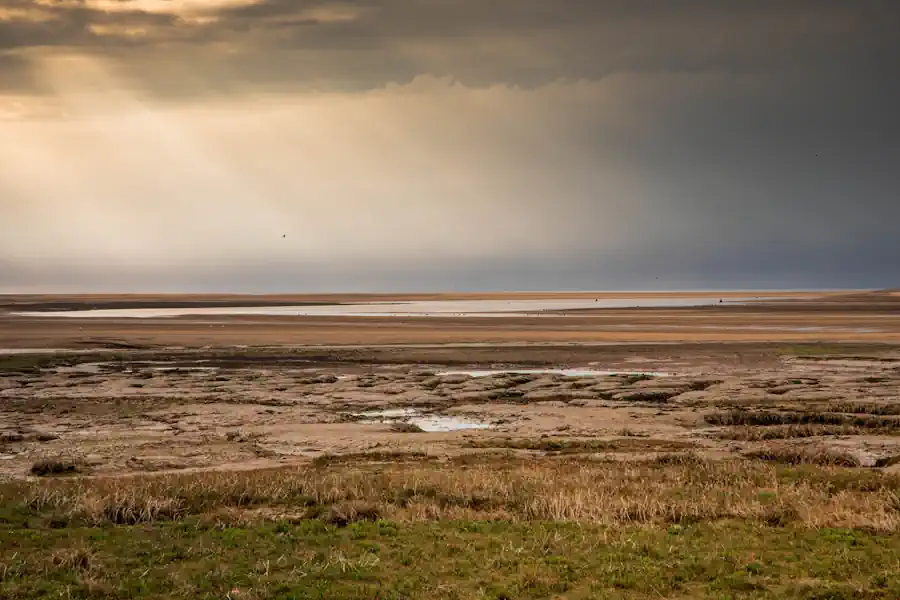
Investments in nature-based solutions address climate and nature goals simultaneously: funding habitat restoration generates biodiversity units and carbon credits.
Even better, these investments are among the most resilient to physical climate risks30 and the transition risks associated with economies shifting toward more sustainable models.
How We Support Natural Capital Investors
For investors seeking exposure to nature-based solutions with clear regulatory demand and contracted revenue, biodiversity net gain habitat banking represents one of the most clearly defined and legally secured investment structures currently available in the UK.
We operate a national network of registered biodiversity habitat banks in England, providing investors and land managers with direct access to the BNG market. These projects generate biodiversity units for sale to developers; long-term income streams backed by legal agreements lasting a minimum of 30 years.
If you are a landowner, investor, or financial institution exploring natural capital investments in England, talk to us.
Email us at sales@greenshank-environmental.com or fill in this contact form and we'll be in touch as soon as possible.
Sources
Ready to buy your units?
Easily buy your BNG units online today to ensure compliance and positive environmental impact.