
York BNG
Discover key habitats, BNG requirements, and planning guidance for developers in York Local Planning Authority.

.avif)
Trusted by Developers and Landowners







Biodiversity Net Gain in York Local Planning Authority
The City of York, located in North Yorkshire, is a historic and compact Local Planning Authority covering approximately 272 square kilometres. It comprises the urban centre of York—an internationally significant heritage city—surrounded by a rural hinterland of villages, farmland, and green corridors.
York City Council supports the implementation of Biodiversity Net Gain (BNG) in accordance with the Environment Act 2021, requiring most new developments to deliver a minimum 10% net gain in biodiversity. This gain can be delivered through on-site habitat creation and enhancement, or through approved off-site biodiversity units.
The authority lies across one primary National Character Areas (NCAs): the Vale of York. This contributes to the city’s mosaic of floodplain meadows, lowland mixed farmland, ancient hedgerows, and riverine habitats, many of which are identified as priority habitats under the UK Biodiversity Action Plan and the statutory BNG metric.
BNG delivery in York presents unique challenges and opportunities due to the city's historic urban fabric, surrounding agricultural land, and flood-sensitive zones. Developers, landowners, and planners must take a strategic, ecologically-informed approach to meet biodiversity targets in the local context.
Habitats in York Local Planning Authority
.avif)
The City of York supports a mixture of urban and rural habitats, including:
Grassland Habitats
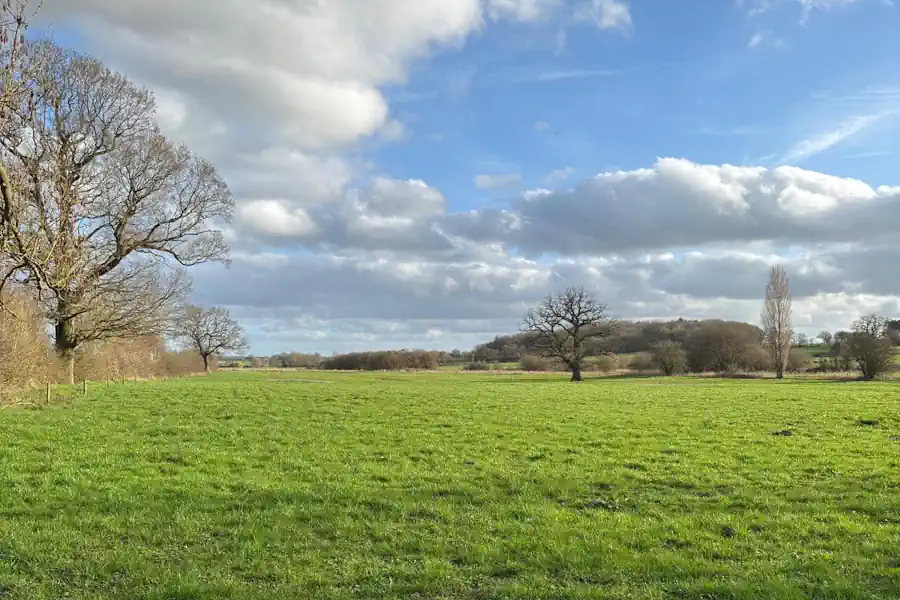
Lowland meadows and neutral grasslands occur in floodplain areas along the River Ouse and its tributaries.
Improved and modified grasslands are common in farmland and urban green spaces but may offer BNG uplift when enhanced.
Woodland and Forest Habitats
The city contains fragments of lowland mixed deciduous woodland, with more extensive blocks in the rural fringe.
Veteran trees and old hedgerow networks contribute to woodland continuity and habitat connectivity.
Wetland and Watercourse Habitats
The River Ouse and River Foss, along with numerous drainage ditches and riparian zones, provide important freshwater habitats.
Seasonal wetlands, reedbeds, and ponds occur in flood-prone areas and contribute to urban biodiversity.
Cropland Habitats
Much of the rural fringe is arable farmland, with opportunities for field margin and buffer zone creation to enhance biodiversity value.
Urban Green Infrastructure
Urban York contains parks, allotments, roadside verges, and green roofs, all of which have BNG potential through careful design and planting.
York BNG Planning
High distinctiveness habitats in York such as lowland meadows, riparian wetlands, and ancient woodland remnants should be prioritised for protection and enhancement. These habitats provide high BNG metric scores but may require specific management and planning considerations.
Conversely, areas of modified grassland, urban greenspace, and cropland offer practical opportunities for BNG uplift through hedgerow restoration, wildflower planting, buffer zones, and urban greening schemes.

York
Get notified of a scheme
We do not currently have any schemes covering this LPA.
Get notified when a scheme is available in this area.
Discover Schemes in
York LPA
LPA
Restoring ecosystems and creating sustainable habitats
through BNG and nutrient mitigation.
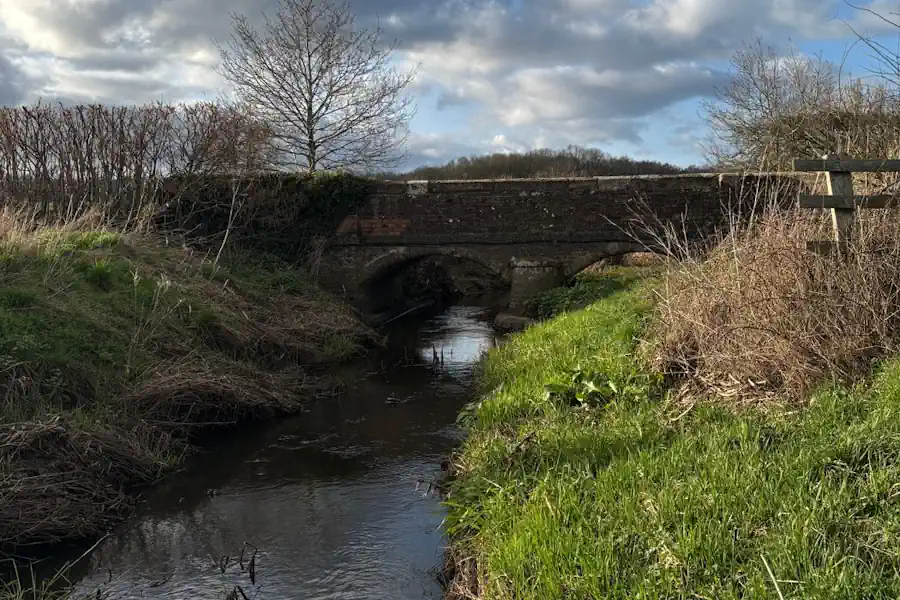
Shavington Estate
Shavington Estate
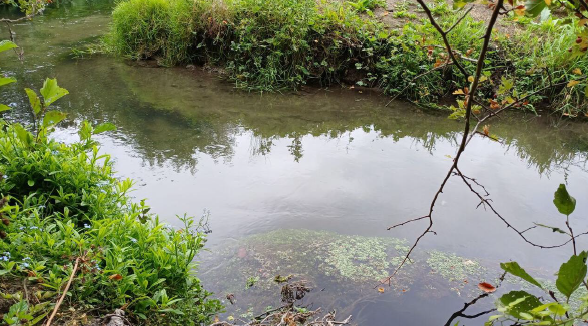
Hurst Farm
Hurst Farm
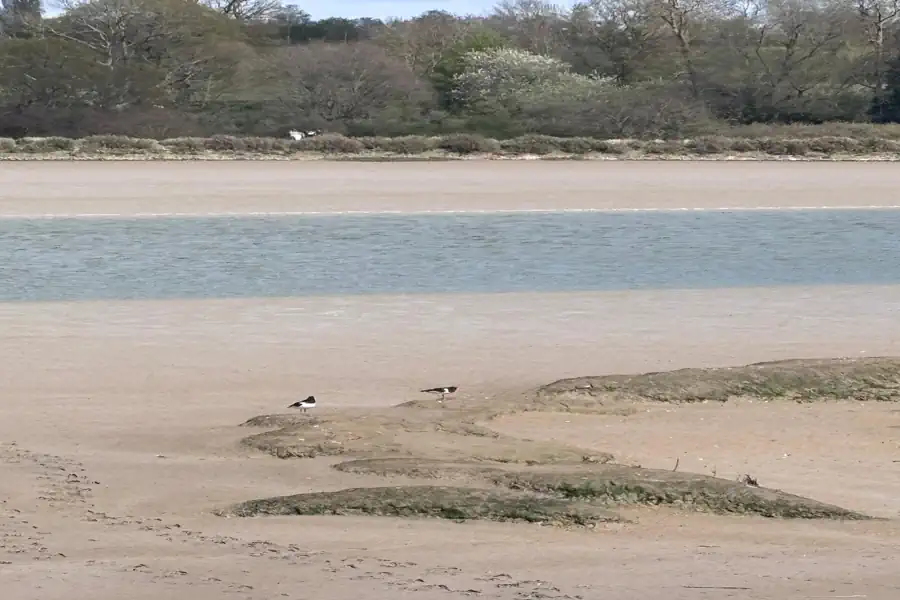
Essex BNG at Priors Farm
Essex BNG at Priors Farm

Somerset BNG Scheme
Trinity Farm & Eastcombe Fields
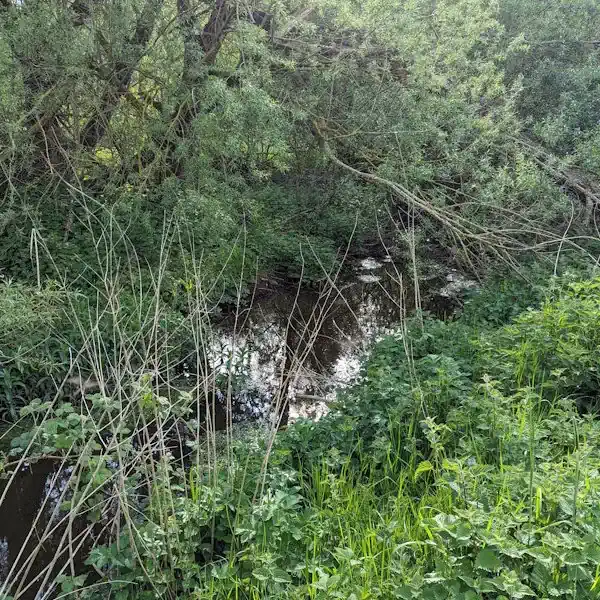
Tees Nutrient Mitigation
Tees Nutrient Mitigation Scheme
.jpg)
Wiltshire BNG at Lydeway
Land at Lydeway
.jpg)
Herefordshire BNG at Hampton Wafre
Hampton Wafre Farm
Are you looking to start a BNG scheme?
Talk to Greenshank and explore the opportunities we offer through your land.
Latest News
A step-by-step guide for landowners looking to sell their land as BNG units, and how Greenshank can help at every stage of the process.
.webp)
Find out how biodiversity net gain legislation works under the Environment Act 2021, what it requires, and which developments are exempt.
Find out how nutrient mitigation schemes work for landowners, how nutrient credits are generated, and how to combine nutrient and BNG income.