
Wychavon BNG
Discover key habitats, BNG requirements, and planning guidance for developers in Wychavon Local Planning Authority.


Trusted by Developers and Landowners


Biodiversity Net Gain in Wychavon Local Planning Authority
Wychavon District, located in Worcestershire within the West Midlands region, is a largely rural Local Planning Authority (LPA) known for its rich agricultural landscape, historic market towns, and significant natural habitats. Covering approximately 500 square kilometres, the district includes towns such as Evesham, Droitwich Spa, and Pershore, surrounded by rolling farmland, river valleys, and woodlands.
Wychavon District Council supports the Environment Act 2021’s Biodiversity Net Gain (BNG) framework, requiring most developments to deliver a minimum 10% net gain in biodiversity value through habitat creation, restoration, or verified off-site biodiversity units.
The LPA lies primarily within the Severn and Avon Vales National Character Area, characterised by fertile agricultural land, lowland meadows, ancient woodlands, and river floodplains. Priority habitats such as lowland meadows, wet woodlands, and species-rich hedgerows offer important opportunities and constraints for BNG delivery.
For developers, planners, and landowners in Wychavon, understanding the local ecological context and planning policies is critical to successfully meeting BNG obligations. Our team provides detailed habitat assessments, metric calculations, and access to local biodiversity credit schemes.
Contact us or register to receive updates on BNG opportunities in Wychavon.
Habitats in Wychavon Local Planning Authority

Wychavon’s landscape is shaped by a mix of agricultural land, river corridors, and woodlands.
Grassland Habitats
Lowland meadows and floodplain grasslands are prominent along the River Avon and its tributaries, supporting a range of wildflowers and invertebrates.
Improved grasslands dominate much farmland but can be enhanced for biodiversity benefits.
Woodland and Forest Habitats
Ancient and semi-natural broadleaved woodlands occur throughout the district, particularly near river valleys and wood-pasture areas.
Wet woodlands are present along floodplains and riparian zones.
Heathland and Shrub
Heathland is rare but scrub and mixed shrub habitats provide important transitional zones for wildlife.
Wetland and Watercourse Habitats
The River Avon floodplain supports wetland mosaics, including reedbeds, ponds, and wet meadows.
Smaller ponds and ditches are scattered across the landscape, especially near watercourses.
Cropland Habitats
Arable fields and improved pastures form much of the district’s agricultural land, with potential for biodiversity-friendly margins and buffer strips.
Hedgerows and Linear Features
Species-rich hedgerows, often alongside ditches and banks, act as vital corridors connecting habitats across the landscape.
Evesham
Droitwich Spa
Pershore
Get notified of a scheme
We do not currently have any schemes covering this LPA.
Get notified when a scheme is available in this area.
Are you looking to start a BNG scheme?
Talk to Greenshank and explore the opportunities we offer through your land.
Latest News
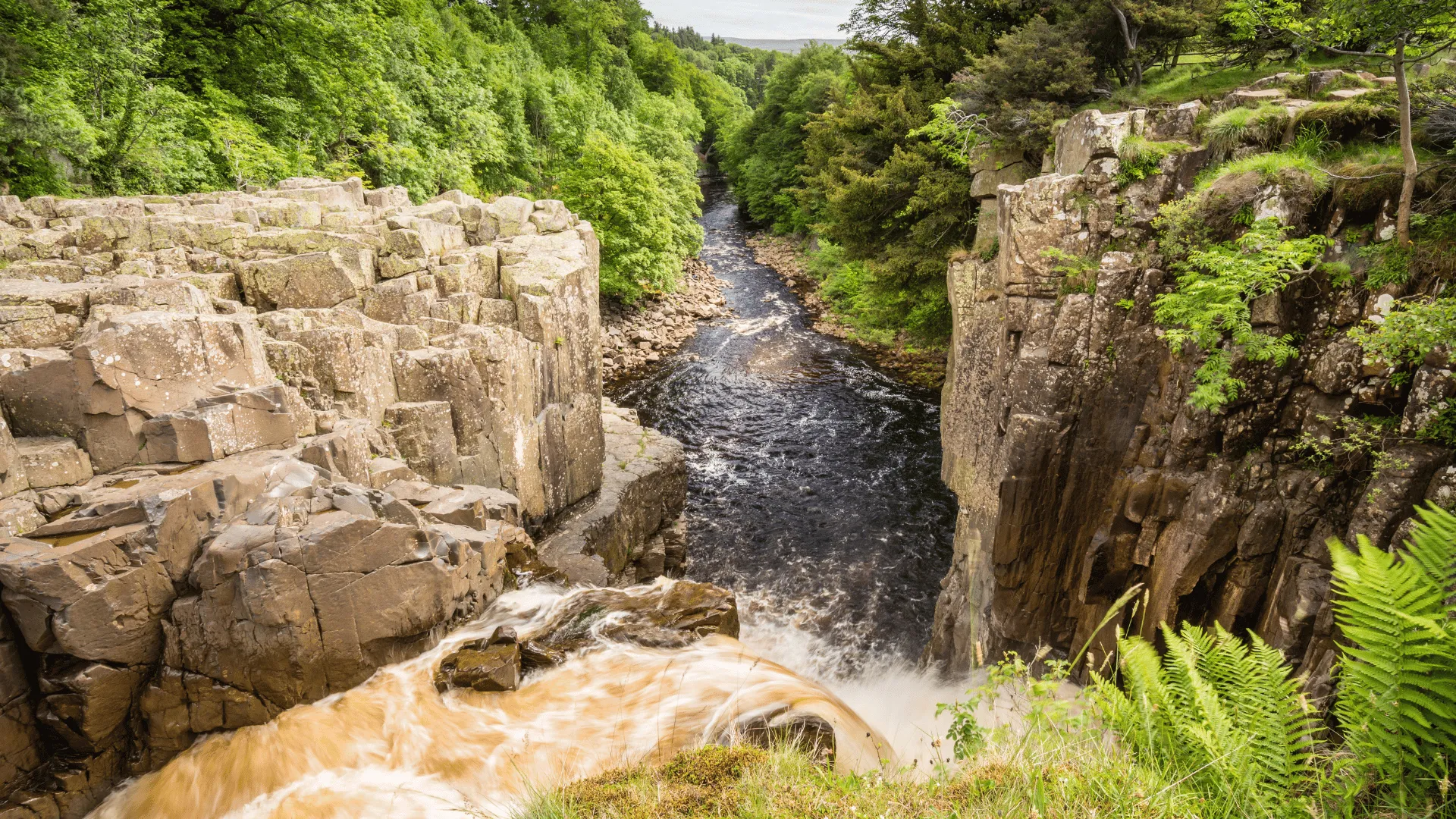
Find out how nutrient mitigation schemes work for landowners, how nutrient credits are generated, and how to combine nutrient and BNG income.
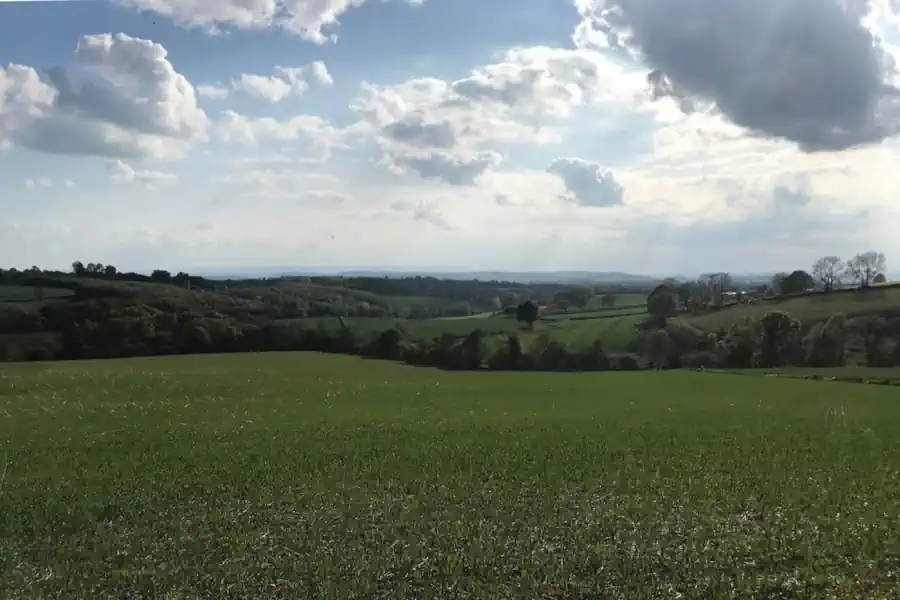
Understand how irreplaceable habitats work within biodiversity net gain, the full list of habitat types, and bespoke compensation requirements.
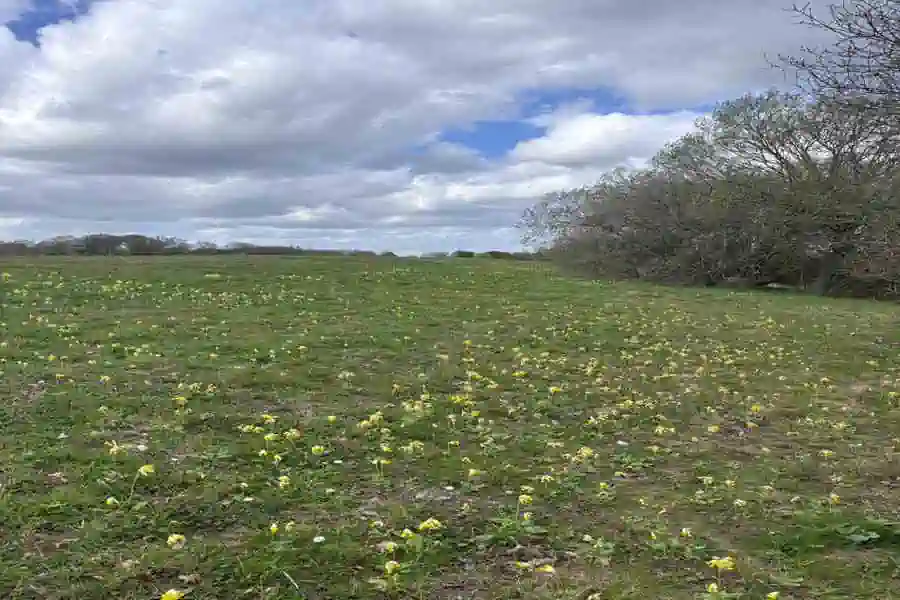
Real-world examples of how biodiversity net gain is being achieved in the UK, on site measures, habitat banking, and integrated approaches.