
Wirral BNG
Discover key habitats, BNG requirements, and planning guidance for developers in Wirral Local Planning Authority.

.avif)
Trusted by Developers and Landowners







Biodiversity Net Gain in Wirral Local Planning Authority
Wirral, located in Merseyside in North West England, is a coastal Local Planning Authority covering approximately 60 square kilometres. The peninsula features a mix of urban areas, rural countryside, and significant coastal habitats. Birkenhead is the principal town, alongside other settlements such as Wallasey and Heswall.
Wirral Council actively supports the implementation of Biodiversity Net Gain (BNG) as part of sustainable development, aligned with the Environment Act 2021. Developers within the borough are generally required to deliver a minimum 10% net gain in biodiversity value through habitat creation, enhancement, or approved off-site units.
The borough falls within the Wirral National Character Area, with coastal and estuarine environments influencing habitat types. Priority habitats include coastal saltmarsh, mudflats, ancient woodland remnants, and freshwater wetlands, all critical for local biodiversity.
For effective BNG delivery, understanding Wirral’s landscape, habitat distribution, and policy context is essential. Support is provided through ecological surveys, habitat mapping, and access to verified BNG units.
Habitats in Wirral Local Planning Authority
.avif)
Wirral’s landscape is diverse and includes important habitat types:
Grassland Habitats
Coastal and lowland meadows support diverse plant and invertebrate communities, particularly in less intensively managed areas.
Improved grasslands are widespread but offer lower distinctiveness unless enhanced.
Woodland and Forest Habitats
Ancient semi-natural woodlands and secondary broadleaf woodlands are scattered throughout the borough, providing habitat for woodland birds and mammals.
Hedgerows and small wooded copses complement larger woodland patches.
Coastal and Wetland Habitats
Saltmarshes, mudflats, and intertidal habitats along the Dee and Mersey estuaries are of high ecological importance, supporting wading birds and aquatic species.
Freshwater wetlands, including ponds and reedbeds, are also present inland.
Cropland Habitats
Agricultural land is a mixture of arable and pasture, with opportunities to enhance biodiversity through field margins and buffer zones.
Hedgerows and Linear Features
Native species-rich hedgerows form key ecological corridors linking habitats across the rural and urban fringe.
Wirral BNG Planning
In Wirral, priority should be given to protecting and enhancing high distinctiveness habitats such as coastal saltmarsh, ancient woodland, and freshwater wetlands. Restoration and creation of these habitats yield significant biodiversity uplift under the BNG framework.
Enhancing lower distinctiveness habitats, including improved grasslands and cropland through hedgerow planting and buffer strips, offers accessible options for local BNG delivery and compliance.

Birkenhead
Wallasey
Bebington
Heswall
West Kirby
Hoylake
Get notified of a scheme
We do not currently have any schemes covering this LPA.
Get notified when a scheme is available in this area.
Discover Schemes in
Wirral LPA
LPA
Restoring ecosystems and creating sustainable habitats
through BNG and nutrient mitigation.
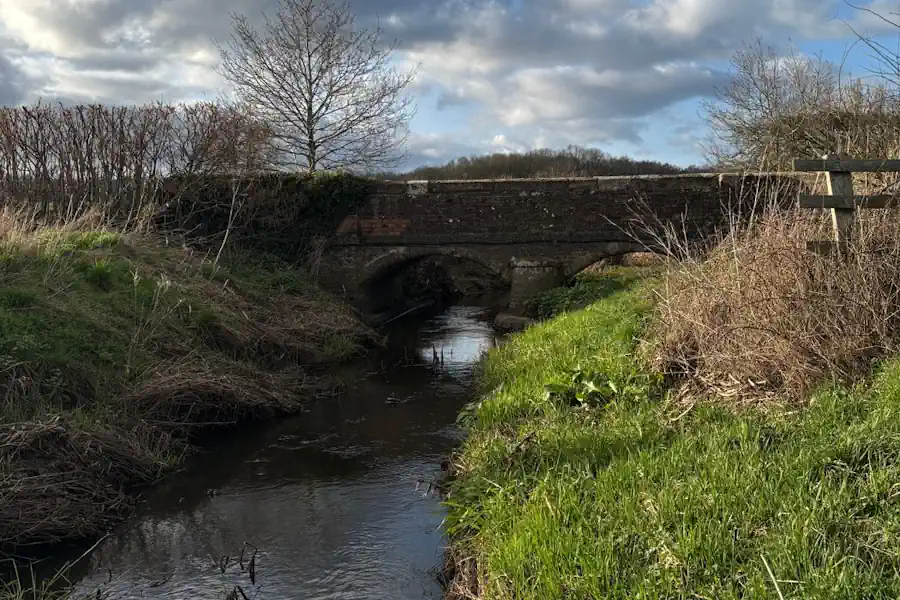
Shavington Estate
Shavington Estate
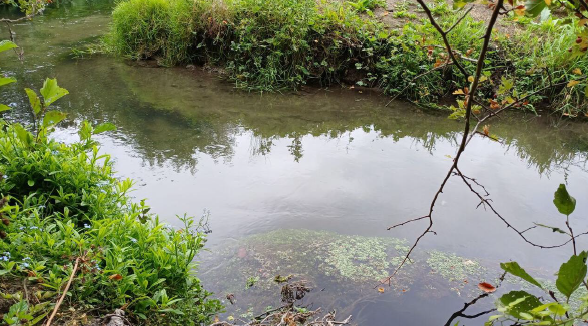
Hurst Farm
Hurst Farm
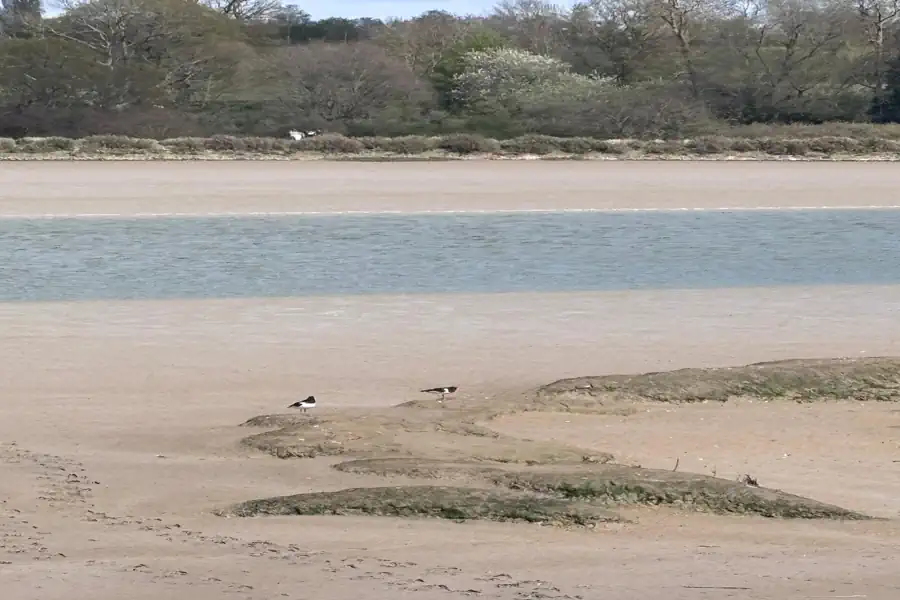
Essex BNG at Priors Farm
Essex BNG at Priors Farm

Somerset BNG Scheme
Trinity Farm & Eastcombe Fields
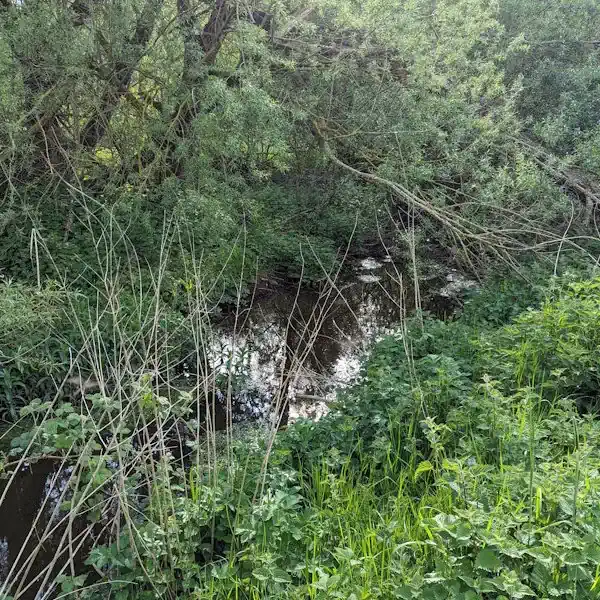
Tees Nutrient Mitigation
Tees Nutrient Mitigation Scheme
.jpg)
Wiltshire BNG at Lydeway
Land at Lydeway
.jpg)
Herefordshire BNG at Hampton Wafre
Hampton Wafre Farm
Are you looking to start a BNG scheme?
Talk to Greenshank and explore the opportunities we offer through your land.
Latest News
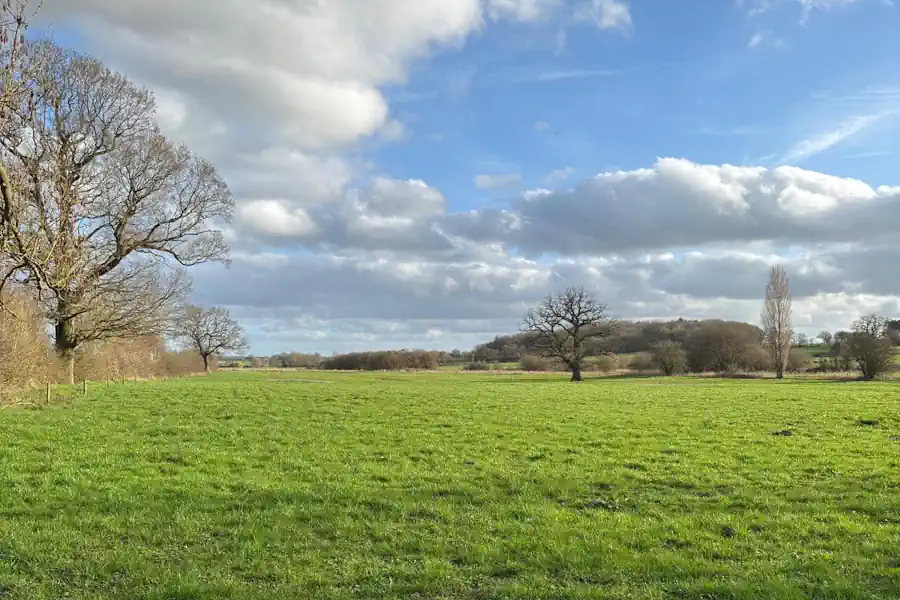
A step-by-step guide for landowners looking to sell their land as BNG units, and how Greenshank can help at every stage of the process.
.webp)
Find out how biodiversity net gain legislation works under the Environment Act 2021, what it requires, and which developments are exempt.
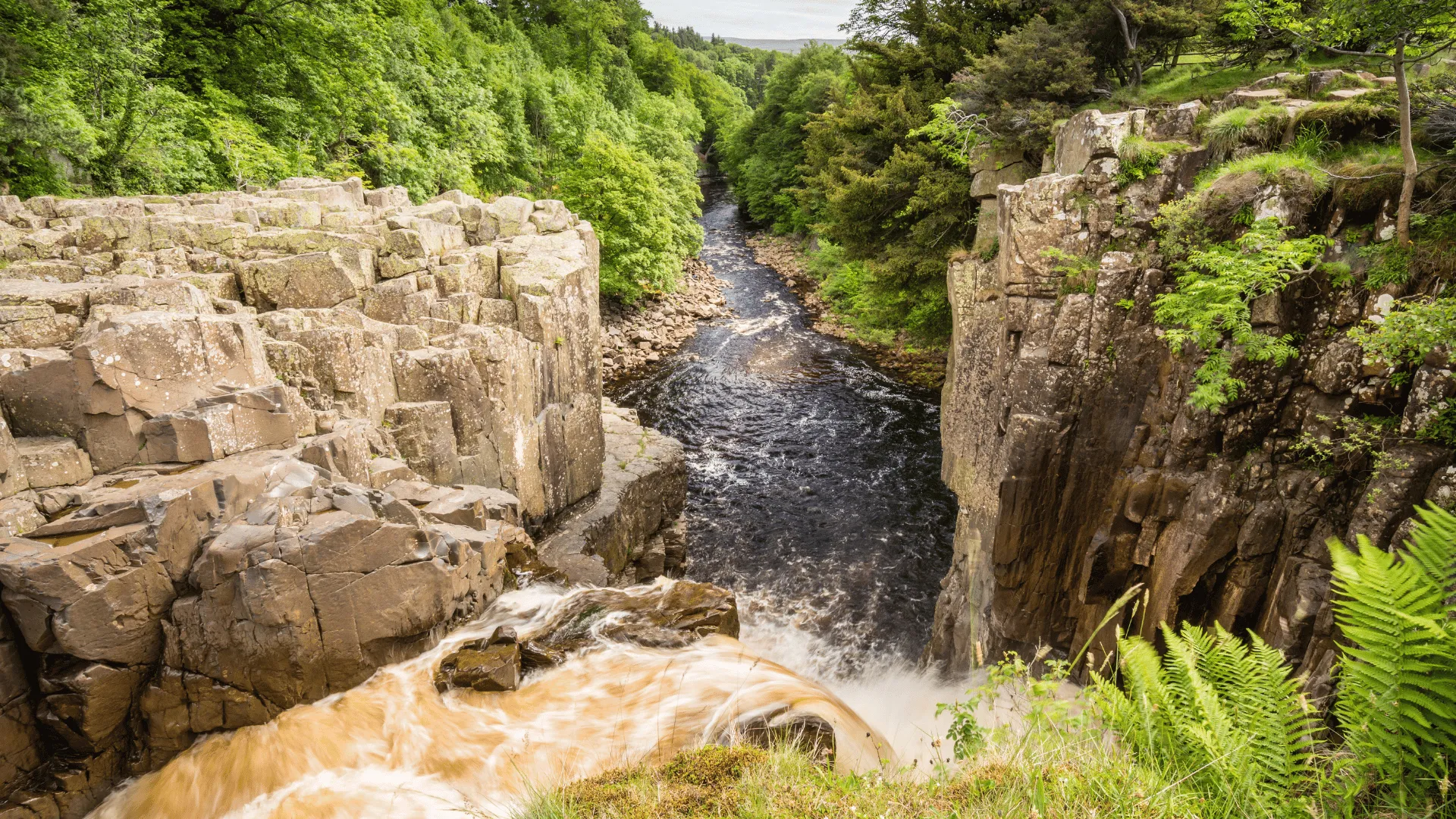
Find out how nutrient mitigation schemes work for landowners, how nutrient credits are generated, and how to combine nutrient and BNG income.