
Westminster BNG
Expert support for Biodiversity Net Gain in Westminster. BNG assessments, habitat mapping & access to local BNG units.

.avif)
Trusted by Developers and Landowners







Biodiversity Net Gain in Westminster Local Planning Authority
Westminster, located at the heart of Central London, is a highly urbanised borough known for its iconic landmarks, dense built environment, and extensive heritage architecture. Spanning approximately 22 square kilometres, it includes major areas such as Westminster, Paddington, Marylebone, and parts of the West End. Despite its urban character, the borough is home to significant green spaces including Hyde Park, Regent’s Park, and St James’s Park, which support vital biodiversity within the city.
Aligned with the Environment Act 2021, Westminster City Council requires most new development proposals to achieve a minimum of 10% Biodiversity Net Gain (BNG). This can be delivered through on-site habitat creation and enhancement, purchase of off-site biodiversity units, or strategic contributions to city-wide ecological improvements.
Westminster lies within a complex urban landscape influenced by the Thames Valley and historic parklands. The borough supports a mix of urban habitats, including parkland, ornamental gardens, waterways, and green roofs. These play a crucial role in enhancing biodiversity, cooling the city, and supporting urban wildlife such as birds, bats, and pollinators.
BNG delivery in Westminster presents challenges due to limited space and a dense urban fabric. However, opportunities exist through green infrastructure, retrofitting biodiversity into developments, and enhancing public open spaces.
For developers, landowners, and planning professionals in Westminster, understanding local habitats, policy expectations, and urban ecology is vital. Our team offers specialist services including BNG assessments, ecological surveys, and support for both on-site and off-site delivery strategies.
To learn more or receive updates about BNG units and schemes in the area, get in touch with us.
Habitats in Westminster Local Planning Authority
.avif)
Westminster’s green infrastructure is largely made up of formal parks, managed landscapes, and built-environment features adapted to support biodiversity.
Grassland Habitats
Amenity Grassland: Found in parks and green spaces, with enhancement potential through wildflower planting.
Urban Meadows: Introduced in parts of Hyde Park and Regent’s Park to support invertebrates and pollinators.
Woodland and Forest Habitats
Parkland Trees and Broadleaved Woodland: Present in historic parks and squares, providing habitat for birds, bats, and insects.
Ornamental and Mixed Tree Plantings: Found in formal gardens and street landscaping.
Wetland and Watercourse Habitats
Lakes and Ponds: Found in parks such as St James’s Park, supporting aquatic species and waterfowl.
Rivers and Canals: The River Thames borders the borough, and the Grand Union Canal supports riparian habitats.
Urban and Built Habitats
Green Roofs and Living Walls: Increasingly used in developments and public buildings, offering valuable habitat and thermal benefits.
Brownfield and Disturbed Land: Occurs in redevelopment zones, providing early successional habitats.
Private Gardens and Courtyards: Serve as fragmented but ecologically important green spaces.
Hedgerows and Linear Features
Street Trees and Tree Lines: Widespread throughout the borough, offering ecological connectivity.
Green Corridors: Formed by canal paths, parks, and transport infrastructure.
Westminster BNG Planning
High and very high distinctiveness habitats—such as urban meadows, canal margins, and mature parkland—are important for delivering meaningful BNG in Westminster. These areas can provide significant biodiversity uplift but may require careful management within historic and recreational contexts.
Lower distinctiveness habitats like amenity grassland, green roofs, and street trees offer more flexible and scalable options for on-site delivery, especially in constrained development sites.

City of Westminster
Paddington
Marylebone
Soho
St John’s Wood
Get notified of a scheme
We do not currently have any schemes covering this LPA.
Get notified when a scheme is available in this area.
Discover Schemes in
Westminster LPA
LPA
Restoring ecosystems and creating sustainable habitats
through BNG and nutrient mitigation.
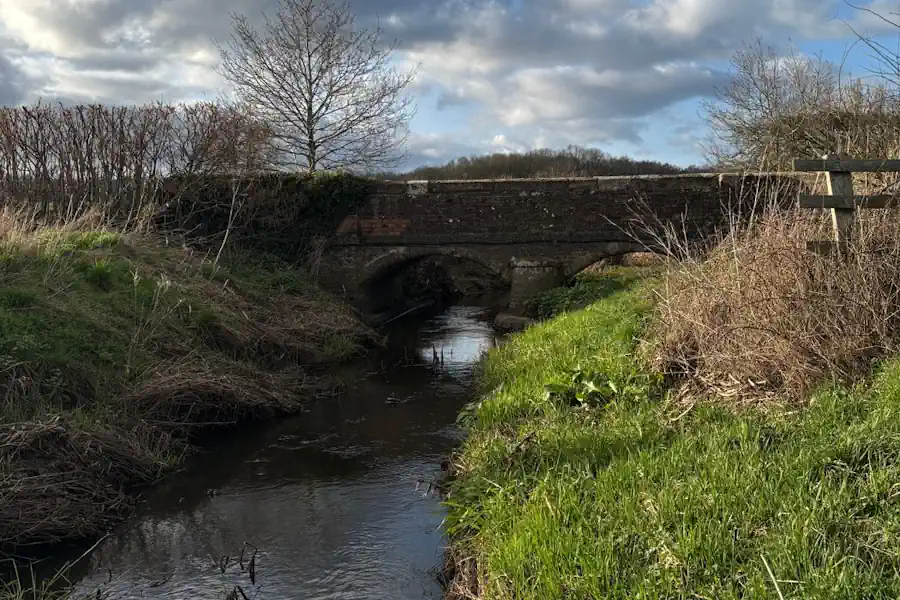
Shavington Estate
Shavington Estate
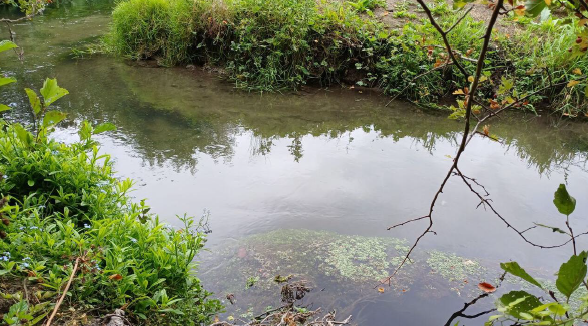
Hurst Farm
Hurst Farm
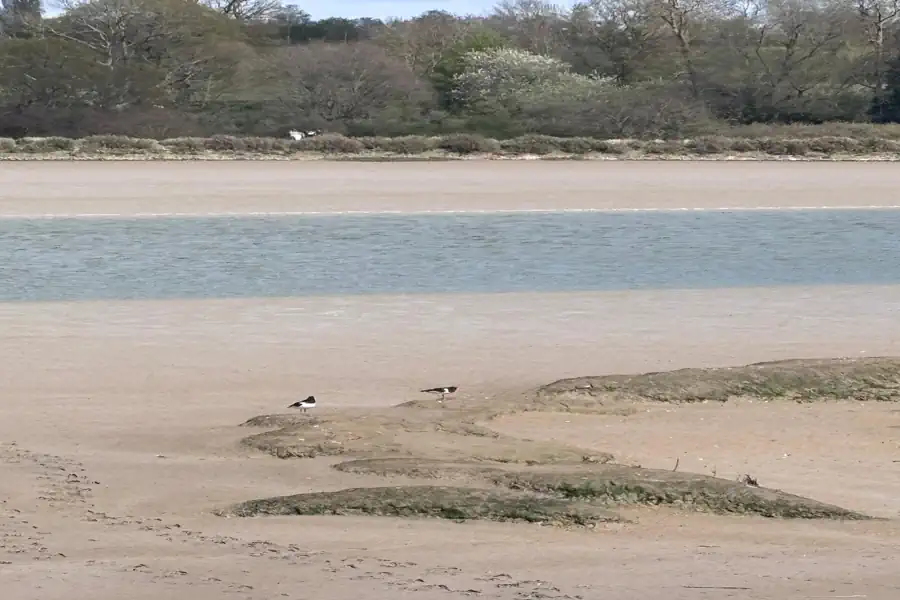
Essex BNG at Priors Farm
Essex BNG at Priors Farm

Somerset BNG Scheme
Trinity Farm & Eastcombe Fields
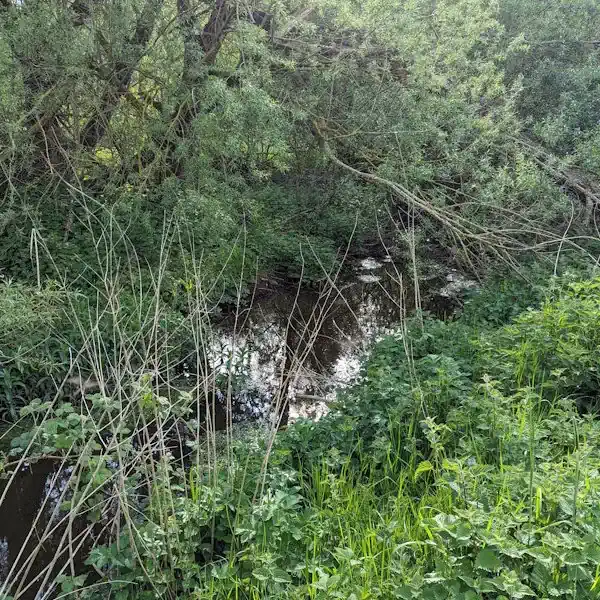
Tees Nutrient Mitigation
Tees Nutrient Mitigation Scheme
.jpg)
Wiltshire BNG at Lydeway
Land at Lydeway
.jpg)
Herefordshire BNG at Hampton Wafre
Hampton Wafre Farm
Are you looking to start a BNG scheme?
Talk to Greenshank and explore the opportunities we offer through your land.
Latest News
A step-by-step guide for landowners looking to sell their land as BNG units, and how Greenshank can help at every stage of the process.
.webp)
Find out how biodiversity net gain legislation works under the Environment Act 2021, what it requires, and which developments are exempt.
Find out how nutrient mitigation schemes work for landowners, how nutrient credits are generated, and how to combine nutrient and BNG income.