
Torbay LPA BNG
Expert support for Biodiversity Net Gain in Torbay LPA. BNG assessments, habitat mapping & access to local BNG units.

.avif)
Trusted by Developers and Landowners







Biodiversity Net Gain in Torbay LPA Local Planning Authority
Torbay, located on the south coast of Devon in South West England, is a unitary authority known for its dramatic coastline, seaside towns, and rural hinterland. Covering around 63 square kilometres, Torbay comprises the towns of Torquay, Paignton, and Brixham, along with extensive natural habitats including cliffs, woodlands, and estuaries.
In line with the Environment Act 2021, Torbay Council requires most development projects to deliver a minimum of 10% Biodiversity Net Gain (BNG). This can be achieved through on-site habitat enhancement or creation, off-site biodiversity units, or contributions to wider ecological networks.
The Torbay LPA lies within the South Devon National Character Area. This NCA shapes the borough’s ecological identity, supporting habitats such as ancient woodlands, coastal grasslands, estuarine wetlands, and marine environments. Many of these habitats are priority under the UK Biodiversity Action Plan.
The combination of urban development pressures and valuable natural environments means that effective BNG delivery in Torbay demands careful habitat survey, planning, and management aligned with local biodiversity priorities.
Our team offers comprehensive BNG assessments, habitat mapping, and connections to local biodiversity offset schemes tailored to Torbay’s unique ecological setting.
Habitats in Torbay LPA Local Planning Authority
.avif)
Torbay’s landscape supports a diverse mosaic of habitats important for regional biodiversity.
Grassland Habitats
Coastal and Maritime Grassland: Species-rich grasslands found along cliffs and coastal slopes supporting specialised plants and invertebrates.
Improved Grassland: Found in urban fringes and farmland, offering enhancement potential.
Woodland and Forest Habitats
Ancient Semi-Natural Woodland: Scattered throughout Torbay, providing habitat for birds, bats, and rare invertebrates.
Wet Woodland: Present along river corridors and wetter sites.
Wetland and Watercourse Habitats
Estuaries and Coastal Wetlands: Including parts of Torbay’s ria coastline, supporting wading birds, fish, and rare plants.
Rivers and Streams: Small watercourses flow through the area, supporting aquatic fauna.
Ponds and Reedbeds: Important for amphibians, dragonflies, and wetland birds.
Cropland and Farmland Habitats
Arable Land: Predominantly used for mixed cropping with scope for biodiversity enhancements such as beetle banks and field margins.
Hedgerows and Linear Features: Provide crucial connectivity between habitats.
Torbay LPA BNG Planning
High distinctiveness habitats such as coastal grasslands, ancient woodlands, and estuarine wetlands are critical to delivering meaningful BNG in Torbay and require careful protection.
Lower distinctiveness habitats, including improved grasslands and arable land, can be enhanced through targeted habitat creation and restoration measures to meet BNG targets.

Torquay
Paignton
Brixham
Get notified of a scheme
We do not currently have any schemes covering this LPA.
Get notified when a scheme is available in this area.
Discover Schemes in
Torbay LPA
LPA
Restoring ecosystems and creating sustainable habitats
through BNG and nutrient mitigation.
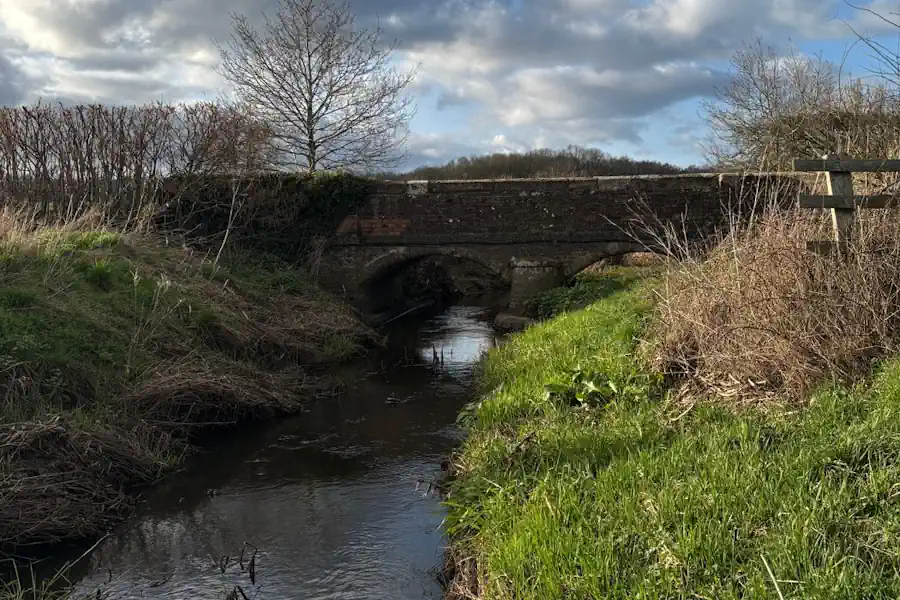
Shavington Estate
Shavington Estate
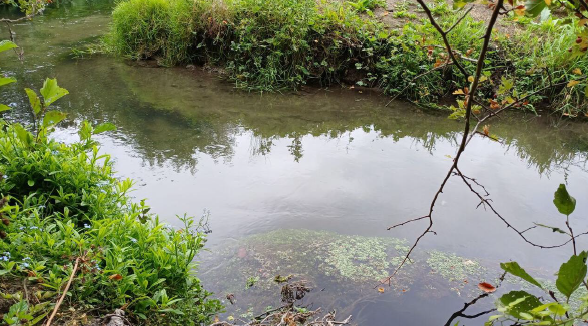
Hurst Farm
Hurst Farm
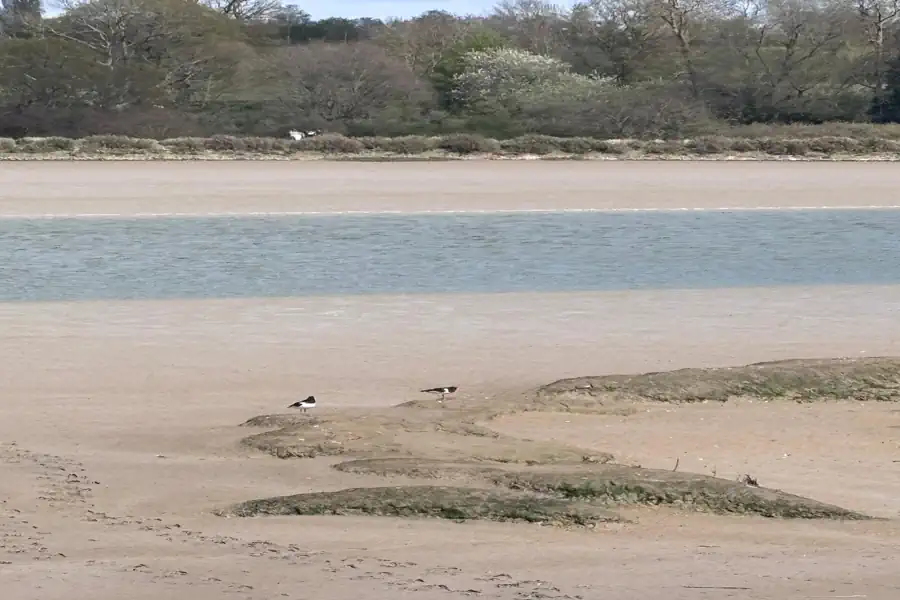
Essex BNG at Priors Farm
Essex BNG at Priors Farm

Somerset BNG Scheme
Trinity Farm & Eastcombe Fields
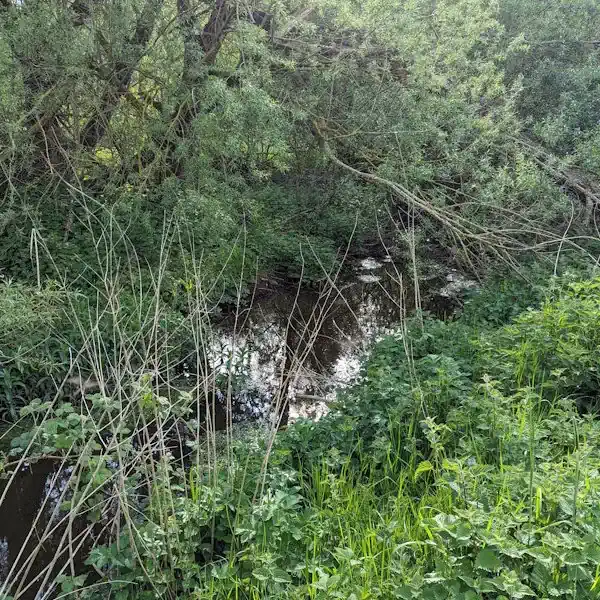
Tees Nutrient Mitigation
Tees Nutrient Mitigation Scheme
.jpg)
Wiltshire BNG at Lydeway
Land at Lydeway
.jpg)
Herefordshire BNG at Hampton Wafre
Hampton Wafre Farm
Are you looking to start a BNG scheme?
Talk to Greenshank and explore the opportunities we offer through your land.
Latest News
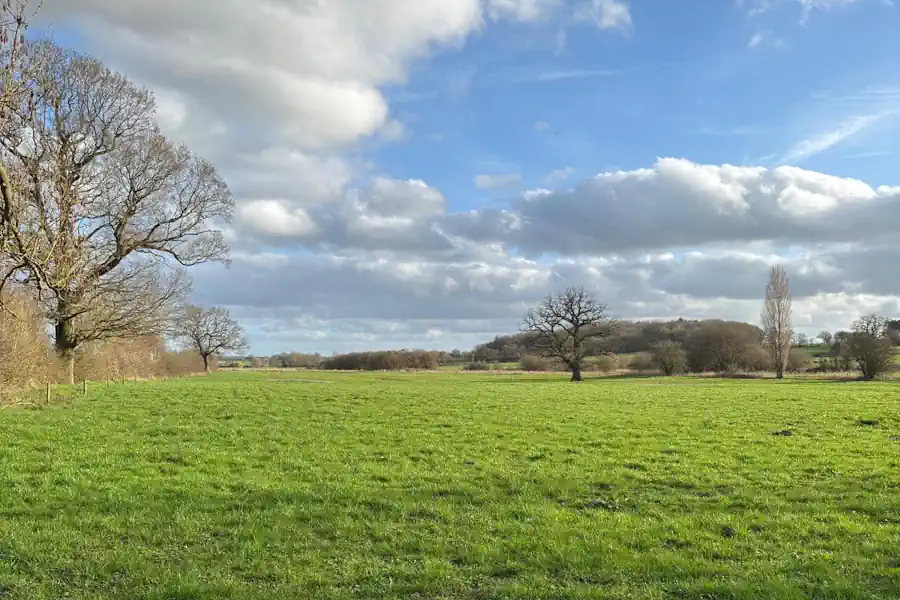
A step-by-step guide for landowners looking to sell their land as BNG units, and how Greenshank can help at every stage of the process.
.webp)
Find out how biodiversity net gain legislation works under the Environment Act 2021, what it requires, and which developments are exempt.
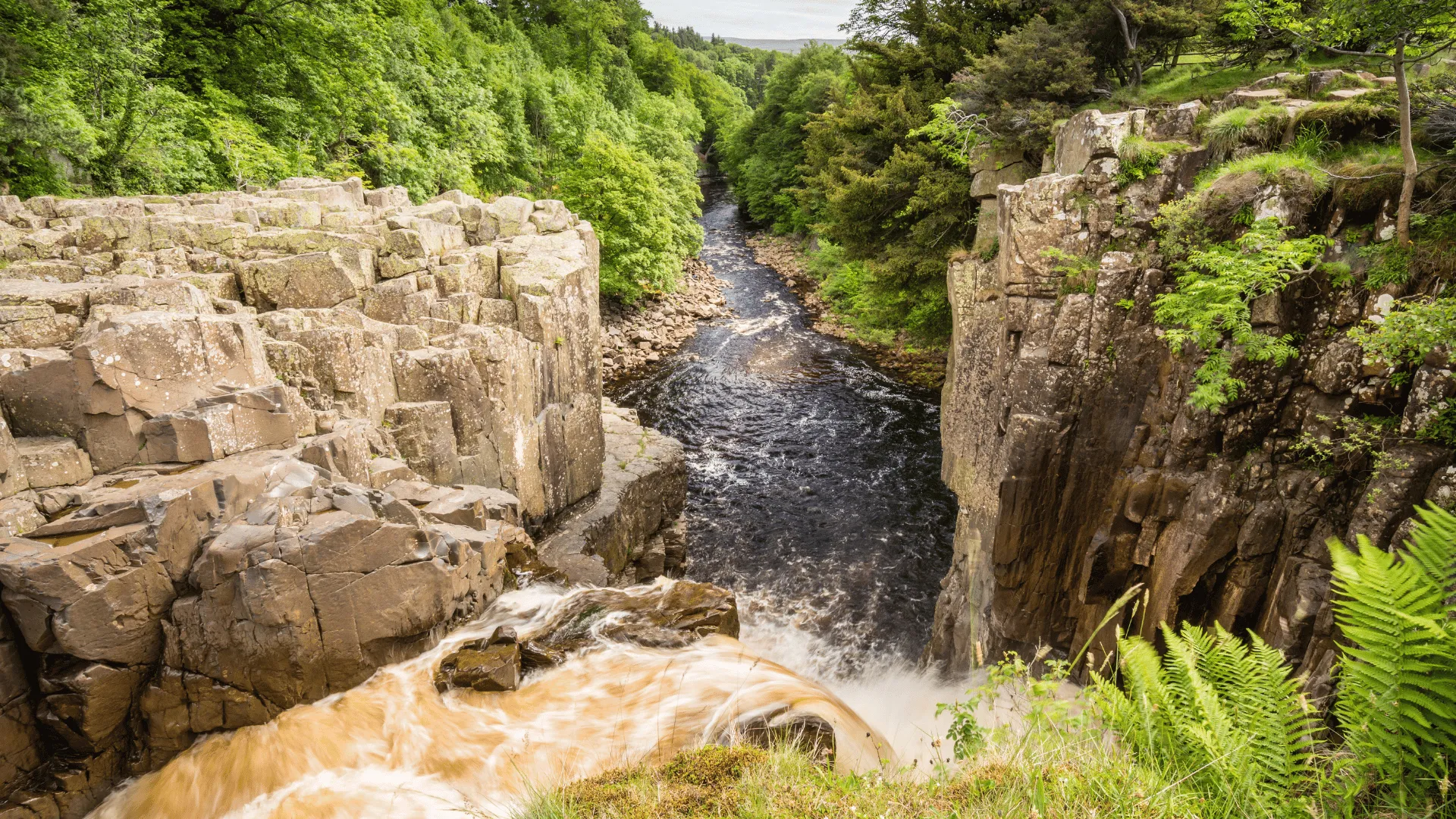
Find out how nutrient mitigation schemes work for landowners, how nutrient credits are generated, and how to combine nutrient and BNG income.