
Stevenage LPA BNG
Discover key habitats, BNG requirements, and planning guidance for developers in Stevenage LPA Local Planning Authority.

.avif)
Trusted by Developers and Landowners







Biodiversity Net Gain in Stevenage LPA Local Planning Authority
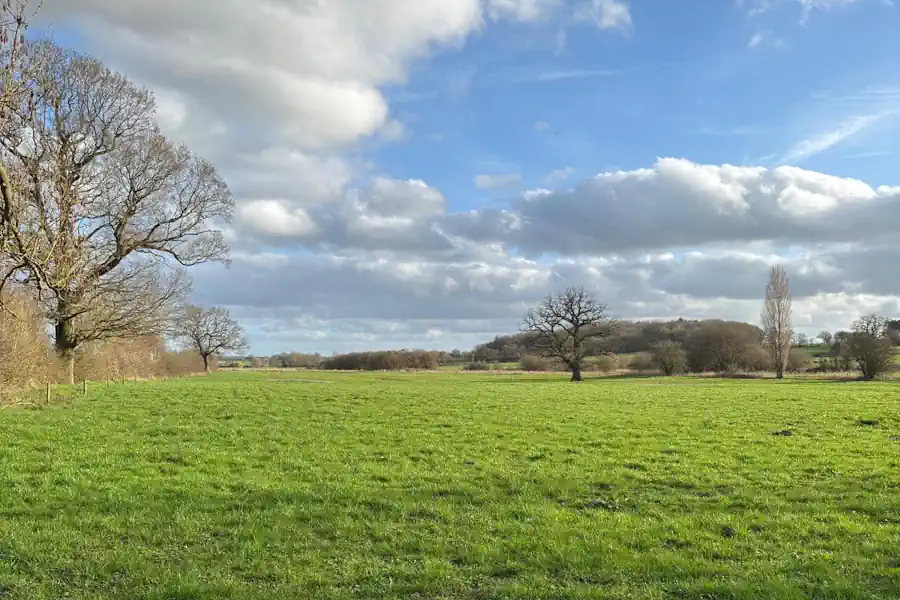
Stevenage, located in Hertfordshire in the East of England, is a unitary borough with a strong urban character, known as one of the UK’s first post-war New Towns. Despite its compact footprint of approximately 25 square kilometres, Stevenage is interspersed with green infrastructure, including parks, green corridors, and remnants of semi-natural habitats.
In line with the Environment Act 2021, Stevenage Borough Council requires most new developments to deliver at least 10% Biodiversity Net Gain (BNG). This can be achieved through on-site habitat creation or enhancement, off-site biodiversity units, or registered habitat banks within or near the borough.
Stevenage lies within the Chilterns National Character Area, an area typified by chalk escarpments, dry valleys, and a network of woodland, grassland, and arable landscapes. While urbanised, the borough includes areas of ecological interest such as hedgerows, species-rich grassland remnants, and watercourses that play a role in local biodiversity networks.
Implementing BNG in Stevenage presents both challenges and opportunities due to limited space, fragmented green spaces, and high development pressure. Strategic planning and early ecological input are essential to integrate BNG effectively into site design and deliver meaningful outcomes.
For developers, planners, and landowners operating in Stevenage, understanding the borough’s habitats, ecological pressures, and planning requirements is key. We offer expert BNG services including metric calculations, habitat baselining, and access to BNG units in and around Hertfordshire.
To find out more or receive updates on local BNG initiatives, feel free to contact our team.
Habitats in Stevenage LPA Local Planning Authority
.avif)
Stevenage’s natural assets, though relatively constrained by urban infrastructure, reflect the characteristics of the Chilterns NCA, offering opportunities for enhancement and strategic habitat linkage.
Grassland Habitats
Modified Grassland: Present in parks, verges, and amenity areas, with enhancement potential through wildflower seeding and reduced mowing.
Lowland Calcareous Grassland: Remnants may occur on chalky soils, supporting wildflowers and pollinators.
Improved Grassland: Often species-poor but can be upgraded through changes in management.
Woodland and Forest Habitats
Lowland Mixed Deciduous Woodland: Scattered around the urban fringe and within designated Local Wildlife Sites, supporting bats, birds, and invertebrates.
Scrub and Early Successional Woodland: Developing on brownfield land and urban edges, offering nesting and foraging habitats.
Wetland and Watercourse Habitats
Urban Streams and Brooks: The Stevenage Brook and its tributaries run through the borough, supporting aquatic invertebrates and providing corridors for wildlife.
Ponds and SuDS: Common in open spaces and developments, supporting amphibians and aquatic plants.
Cropland and Farmland Habitats
Arable Fields: Found on the fringes of the borough; enhancement potential through buffer strips and hedgerow improvements.
Hedgerows and Linear Features
Species-Poor and Species-Rich Hedgerows: Act as green corridors across the urban landscape.
Roadside Verges and Railway Sidings: Offer connectivity and niche habitats for urban-adapted species.
Stevenage LPA BNG Planning
High distinctiveness habitats—such as calcareous grassland, deciduous woodland, and streams—are critical to delivering valuable BNG in Stevenage, though often limited in extent. They require careful protection and are subject to stricter metric rules.
Low and medium distinctiveness habitats, including amenity grassland and modified hedgerows, offer flexible options for on-site improvement. Enhancements such as wildflower planting, hedgerow gapping-up, and SuDS with ecological value can deliver measurable gains within urban constraints.

Stevenage
Get notified of a scheme
We do not currently have any schemes covering this LPA.
Get notified when a scheme is available in this area.
Discover Schemes in
Stevenage LPA
LPA
Restoring ecosystems and creating sustainable habitats
through BNG and nutrient mitigation.
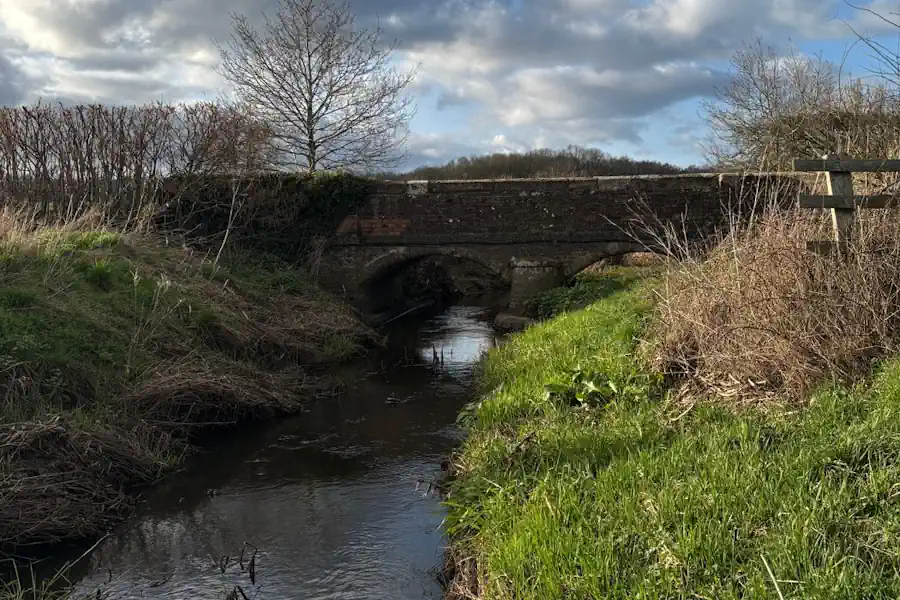
Shavington Estate
Shavington Estate
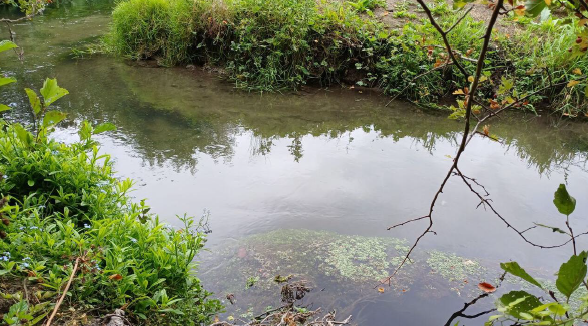
Hurst Farm
Hurst Farm
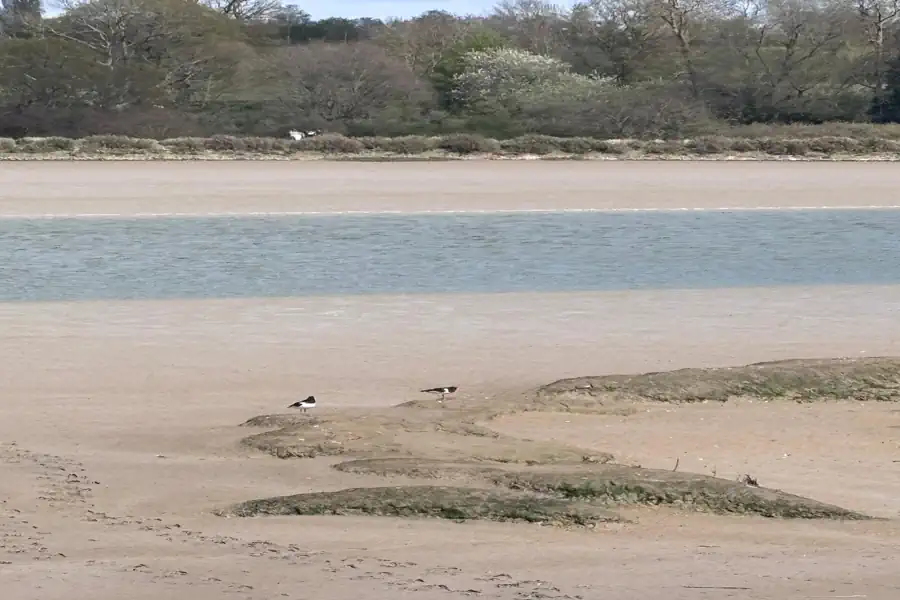
Essex BNG at Priors Farm
Essex BNG at Priors Farm

Somerset BNG Scheme
Trinity Farm & Eastcombe Fields
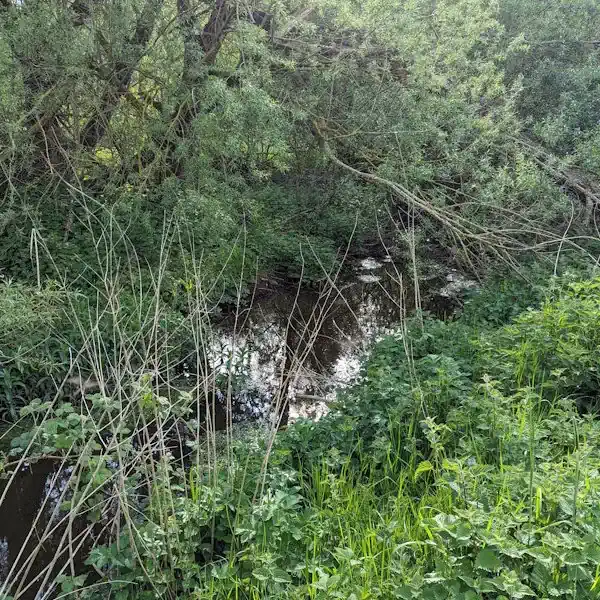
Tees Nutrient Mitigation
Tees Nutrient Mitigation Scheme
.jpg)
Wiltshire BNG at Lydeway
Land at Lydeway
.jpg)
Herefordshire BNG at Hampton Wafre
Hampton Wafre Farm
Are you looking to start a BNG scheme?
Talk to Greenshank and explore the opportunities we offer through your land.
Latest News
A step-by-step guide for landowners looking to sell their land as BNG units, and how Greenshank can help at every stage of the process.
.webp)
Find out how biodiversity net gain legislation works under the Environment Act 2021, what it requires, and which developments are exempt.
Find out how nutrient mitigation schemes work for landowners, how nutrient credits are generated, and how to combine nutrient and BNG income.