
Southend-on-Sea LPA BNG
Discover key habitats, BNG requirements, and planning guidance for developers in Southend-on-Sea LPA Local Planning Authority.

.avif)
Trusted by Developers and Landowners







Biodiversity Net Gain in Southend-on-Sea LPA Local Planning Authority
Southend-on-Sea, a unitary authority in Essex on the north bank of the Thames Estuary, is a predominantly urban Local Planning Authority (LPA) with a strong coastal character and important natural heritage. Covering approximately 41 square kilometres, the borough includes the city of Southend and several distinct neighbourhoods such as Leigh-on-Sea, Westcliff, and Shoeburyness. Despite its dense development, Southend features ecologically rich coastal, estuarine, and green space habitats.
Southend-on-Sea City Council supports the delivery of Biodiversity Net Gain (BNG) in line with the Environment Act 2021. Most new developments are required to deliver at least a 10% net gain in biodiversity through on-site habitat creation or enhancement, or through the use of off-site biodiversity units.
The borough lies within the Greater Thames Estuary National Character Area, which is characterised by intertidal mudflats, saltmarshes, grazing marshes, and coastal grasslands. Several designated sites, including Sites of Special Scientific Interest (SSSIs), Ramsar wetlands, and Local Wildlife Sites, are located within or adjacent to the LPA boundary, adding to the sensitivity and opportunity for meaningful BNG delivery.
For developers, planners, and landowners in Southend, understanding the local coastal ecology, policy protections, and BNG constraints is essential. Our team provides tailored support through ecological assessments, BNG metric calculations, and access to verified biodiversity credit schemes.
Contact us or register to stay informed about BNG opportunities in Southend.
Habitats in Southend-on-Sea LPA Local Planning Authority
.avif)
Southend’s unique coastal setting supports a range of valuable and often high-distinctiveness habitats.
Grassland Habitats
Coastal grasslands and neutral grasslands are found along sea walls and in open green spaces.
Improved grasslands are common in parks and recreational fields and can be enhanced for biodiversity.
Woodland and Forest Habitats
Woodland cover is limited but includes areas of secondary woodland and mixed broadleaved habitat within parks and nature reserves.
Heathland and Shrub
Areas of scrub and bramble-dominated habitat occur on brownfield and transitional urban-fringe sites, supporting birds and invertebrates.
Wetland and Watercourse Habitats
Saltmarshes and intertidal mudflats in the estuarine fringe are of international importance, supporting overwintering birds and specialist flora.
Freshwater reedbeds and wet ditches occur in nature reserves and former grazing marshland areas.
Cropland Habitats
Minimal agricultural land exists within the LPA boundary, although neighbouring LPAs offer strategic BNG opportunities on cropland.
Hedgerows and Linear Features
Hedgerows are rare within central urban areas but exist on the periphery and within green infrastructure corridors.
Southend-on-Sea LPA BNG Planning
BNG delivery in Southend must be particularly sensitive to the existing protected and high-distinctiveness coastal habitats, including saltmarsh and mudflat systems. Avoidance of impact to designated habitats is critical, and opportunities for enhancement may be limited within the urban core.
Practical BNG gains can be achieved through the restoration of degraded grassland, creation of pollinator corridors, enhancement of urban green spaces, and—where necessary—investment in off-site units elsewhere in Essex.

Southend-on-Sea
Leigh-on-Sea
Shoeburyness
Westcliff-on-Sea
Thorpe Bay
Get notified of a scheme
We do not currently have any schemes covering this LPA.
Get notified when a scheme is available in this area.
Discover Schemes in
Southend-on-Sea LPA
LPA
Restoring ecosystems and creating sustainable habitats
through BNG and nutrient mitigation.
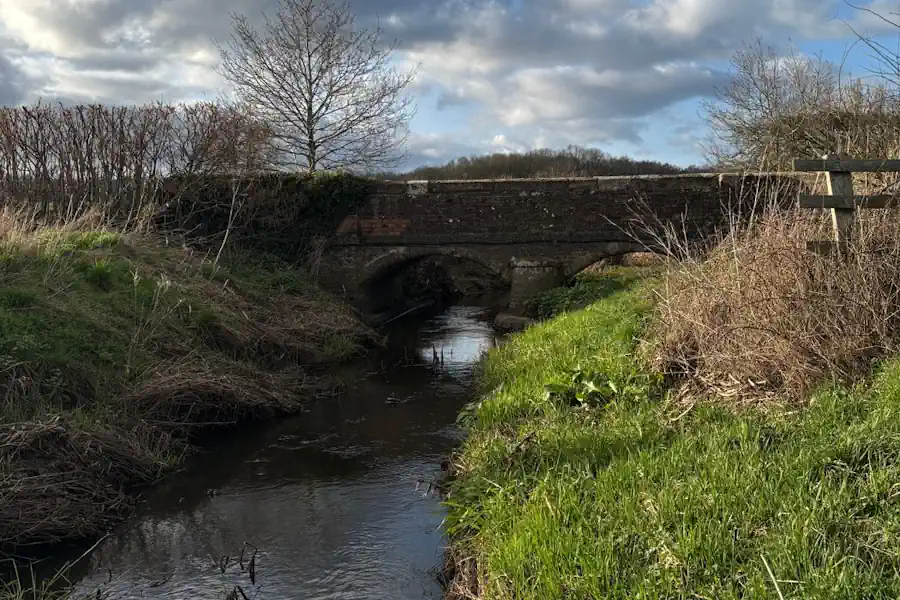
Shavington Estate
Shavington Estate
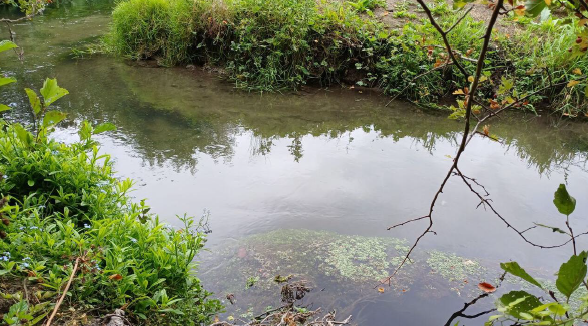
Hurst Farm
Hurst Farm
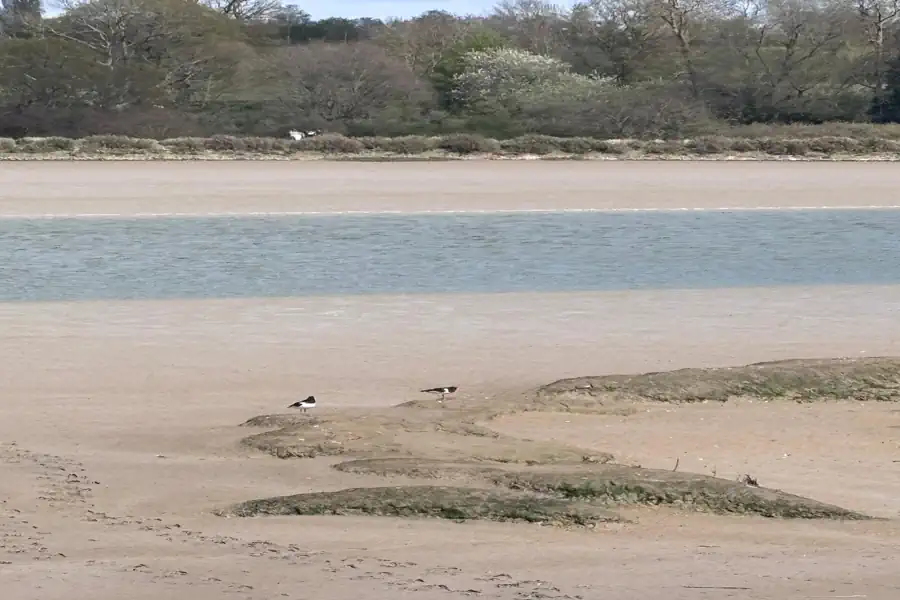
Essex BNG at Priors Farm
Essex BNG at Priors Farm

Somerset BNG Scheme
Trinity Farm & Eastcombe Fields
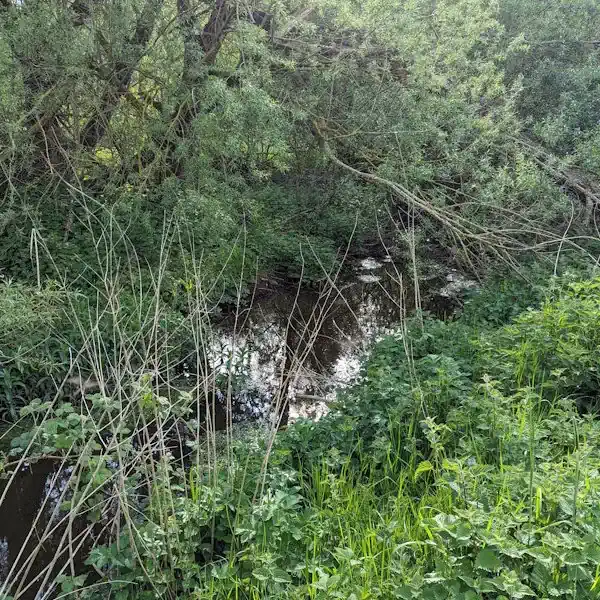
Tees Nutrient Mitigation
Tees Nutrient Mitigation Scheme
.jpg)
Wiltshire BNG at Lydeway
Land at Lydeway
.jpg)
Herefordshire BNG at Hampton Wafre
Hampton Wafre Farm
Are you looking to start a BNG scheme?
Talk to Greenshank and explore the opportunities we offer through your land.
Latest News
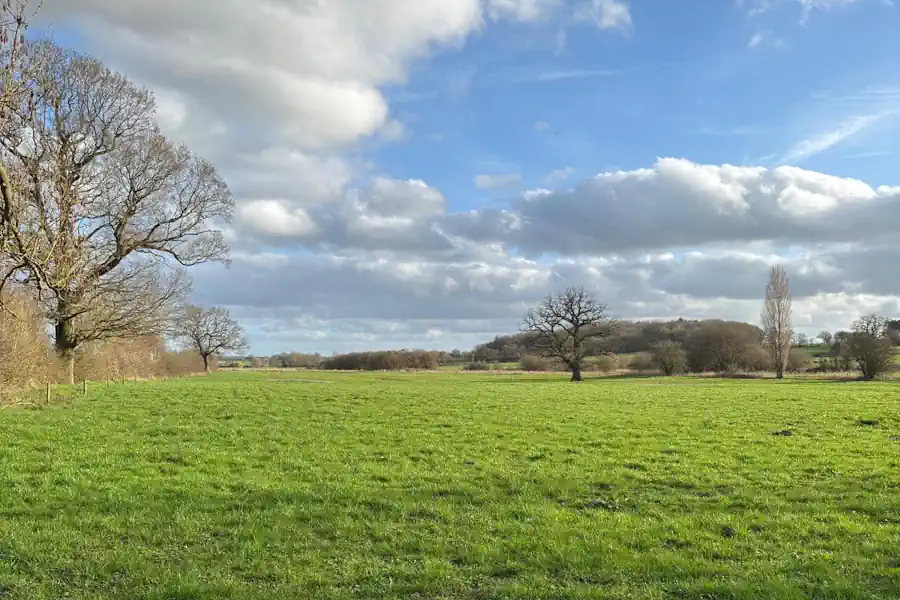
A step-by-step guide for landowners looking to sell their land as BNG units, and how Greenshank can help at every stage of the process.
.webp)
Find out how biodiversity net gain legislation works under the Environment Act 2021, what it requires, and which developments are exempt.
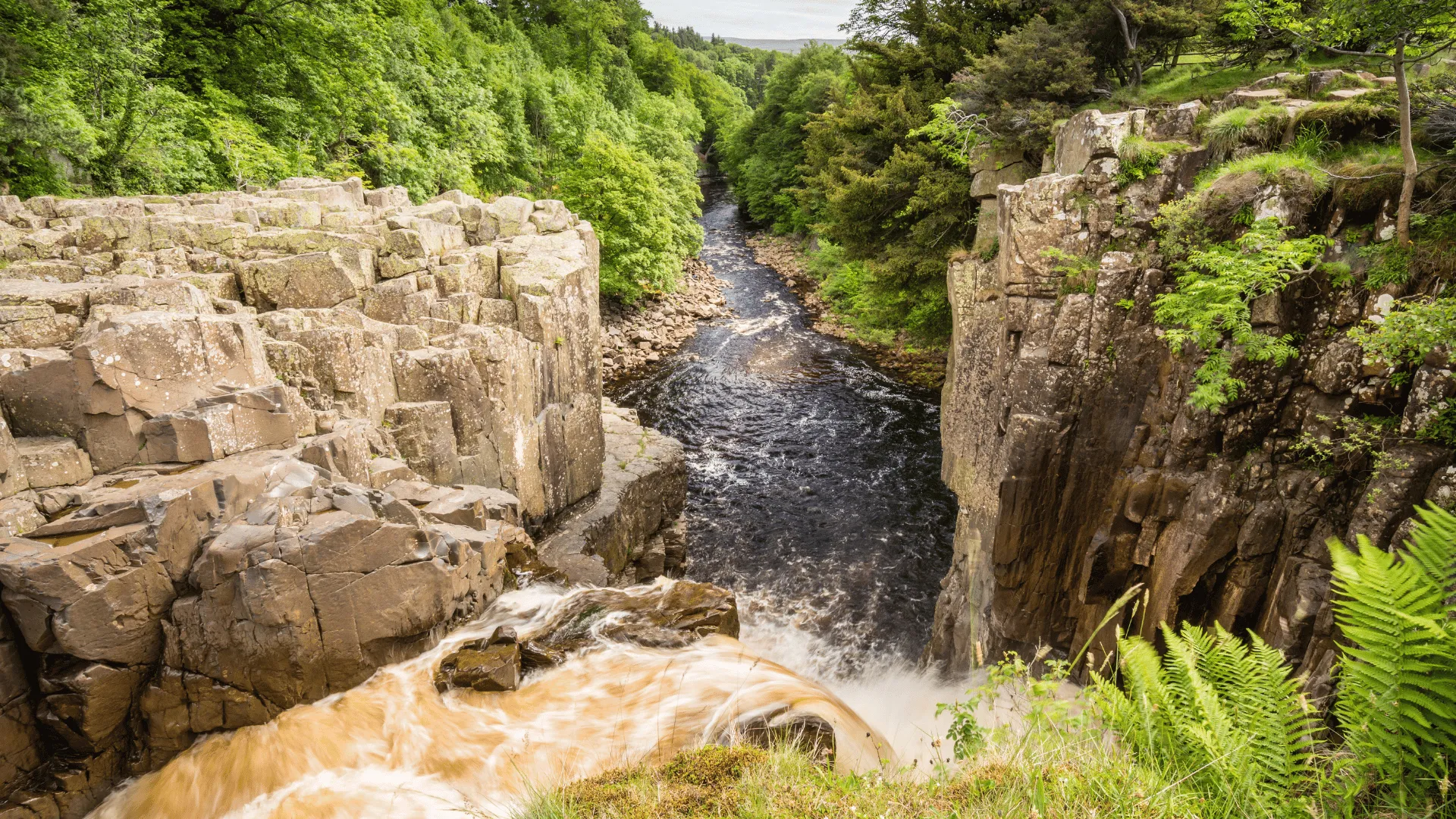
Find out how nutrient mitigation schemes work for landowners, how nutrient credits are generated, and how to combine nutrient and BNG income.