
Rugby LPA BNG
Explore BNG rules, habitats, and opportunities in Rugby LPA LPA. Learn how to meet biodiversity requirements in planning and development.


Trusted by Developers and Landowners


Biodiversity Net Gain in Rugby LPA Local Planning Authority
Rugby, located in Warwickshire, is a borough combining historic market town charm with surrounding rural landscapes. Covering approximately 140 square kilometres, the area includes the town of Rugby and several villages, offering a rich mix of urban and natural environments that support diverse wildlife and habitats.
In alignment with the Environment Act 2021, Rugby Borough Council mandates that most development projects deliver a minimum of 10% Biodiversity Net Gain (BNG). This can be achieved through on-site habitat creation or enhancement, off-site biodiversity credits, or participation in strategic ecological networks.
The borough lies primarily within the National Character Areas Leicestershire Vales, Northamptonshire Uplands, and Dunsmore and Feldon. These areas are characterized by a patchwork of ancient woodlands, hedgerows, grasslands, wetlands, and river corridors that are crucial for regional biodiversity.
The combination of urban development pressures and valuable rural habitats presents both challenges and opportunities for effective BNG implementation in Rugby, requiring detailed habitat assessments and integration with local ecological strategies.
Our expert team supports developers, landowners, and planning professionals with BNG assessments, habitat mapping, and access to local biodiversity offsetting options within Rugby.
Habitats in Rugby LPA Local Planning Authority

The borough hosts a range of habitats shaped by its rural and urban mix, supporting significant biodiversity.
Grassland Habitats
Neutral and Improved Grassland: Common across agricultural land and urban green spaces, with opportunities for enhancement through wildflower planting and improved management.
Species-Rich Grassland: Found in remnant patches, providing valuable habitat for pollinators and small mammals.
Woodland and Forest Habitats
Ancient Semi-Natural Woodland: Scattered woodland blocks offering important habitats for birds, bats, and invertebrates.
Wet Woodland: Typically located alongside rivers and wet valleys.
Wetland and Watercourse Habitats
Rivers and Streams: Including the River Avon and its tributaries, supporting aquatic life such as fish, amphibians, and otters.
Ponds and Reedbeds: Provide essential habitats for amphibians, dragonflies, and water birds.
Cropland and Farmland Habitats
Dominated by arable and pastoral farming with scope for habitat improvement through field margins, hedgerows, and beetle banks.
Hedgerows and Linear Features
Species-Rich Hedgerows: Vital wildlife corridors linking habitats across the landscape.
Ditches and Field Margins: Important linear habitats for a range of species.
Rugby
Get notified of a scheme
We do not currently have any schemes covering this LPA.
Get notified when a scheme is available in this area.
Are you looking to start a BNG scheme?
Talk to Greenshank and explore the opportunities we offer through your land.
Latest News
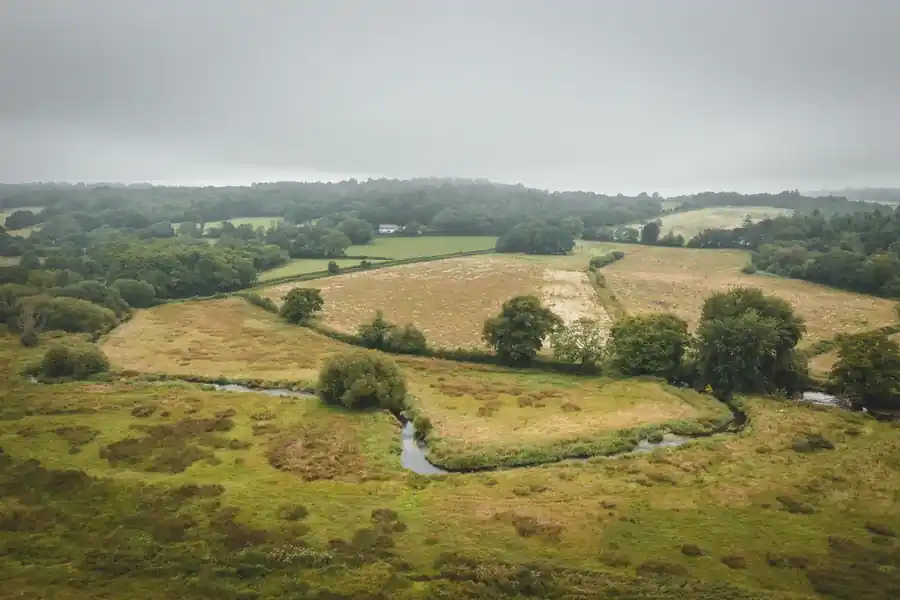
Understand what biodiversity net gain is, how BNG is calculated, and how to buy or sell biodiversity units in England.
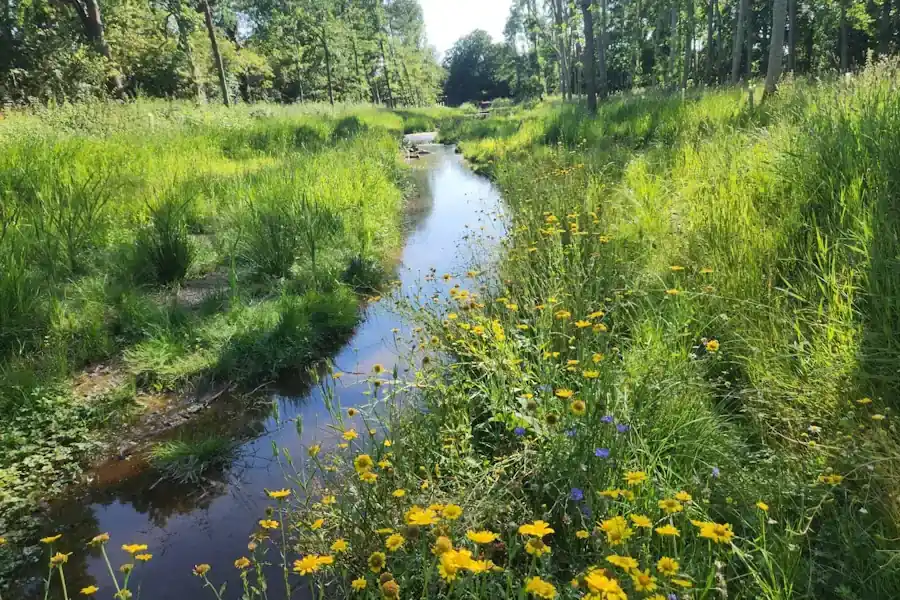
A look at natural capital, what it means to developers, and how landowners can generate income from it through projects with Greenshank.

Government's first Environmental Delivery Plan risks costing taxpayers more while delivering less nature