
Rochdale LPA BNG
Discover key habitats, BNG requirements, and planning guidance for developers in Rochdale LPA Local Planning Authority.

.avif)
Trusted by Developers and Landowners







Biodiversity Net Gain in Rochdale LPA Local Planning Authority
Rochdale, located in Greater Manchester, North West England, covers around 157 square kilometres and comprises a mix of urban centres, historic mill towns, and rural upland landscapes. The borough’s natural environment is characterised by its position on the edge of the South Pennines, with rolling moorland, river valleys, and pockets of ancient woodland.
Rochdale Council supports the implementation of Biodiversity Net Gain (BNG) in line with the Environment Act 2021, requiring developers to deliver a minimum 10% net gain in biodiversity value for most development projects. This is typically achieved through habitat creation, enhancement, or approved off-site biodiversity units.
The borough lies predominantly within the South Pennines National Character Area, featuring upland habitats such as moorlands and acid grasslands alongside river valleys. These varied habitats create both opportunities and challenges for BNG delivery, necessitating detailed ecological assessments and strategic planning.
For landowners, developers, and planners, understanding the landscape, key habitats, and regulatory context in Rochdale is critical for successful BNG compliance.
Habitats in Rochdale LPA Local Planning Authority
.avif)
Rochdale’s landscape supports a variety of habitats shaped by its upland geography and post-industrial history.
Grassland Habitats
Extensive upland heathland and acid grassland predominate in the higher moorland areas, supporting characteristic upland flora and fauna.
Improved grassland and pastures are common in lower valley areas but generally have lower biodiversity distinctiveness.
Woodland Habitats
Patches of upland oak woodland and mixed deciduous woodland are found mainly in valley slopes and moorland fringes.
Secondary woodland and scrub habitats are widespread on former industrial and disturbed sites.
Wetland and Watercourse Habitats
The River Roch and its tributaries provide important aquatic and riparian habitats supporting diverse species.
Small upland wetlands, flushes, and bog remnants are present in moorland areas, though often degraded.
Heathland and Shrub
Upland heathland and associated scrub are key priority habitats supporting rare upland species.
Urban and Brownfield Habitats
Brownfield and post-industrial sites offer opportunities for habitat restoration and creation, particularly open mosaic habitats.
Hedgerows and Linear Features
Hedgerows occur mainly in rural and peri-urban fringes, contributing to landscape connectivity.
Rochdale LPA BNG Planning
Key habitats for BNG delivery in Rochdale include upland heathland, upland oak woodland, and priority river habitats. Restoration of peatland fragments and creation of wildflower-rich grasslands can provide significant biodiversity gains.
Enhancing lower distinctiveness habitats such as improved grassland or urban brownfield through buffer planting, scrub management, and wetland creation is also encouraged to meet BNG targets on-site or locally.
Early consultation with ecological experts and alignment with regional nature recovery plans are recommended for effective BNG delivery.

Rochdale
Littleborough
Castleton
Milnrow
Get notified of a scheme
We do not currently have any schemes covering this LPA.
Get notified when a scheme is available in this area.
Discover Schemes in
Rochdale LPA
LPA
Restoring ecosystems and creating sustainable habitats
through BNG and nutrient mitigation.
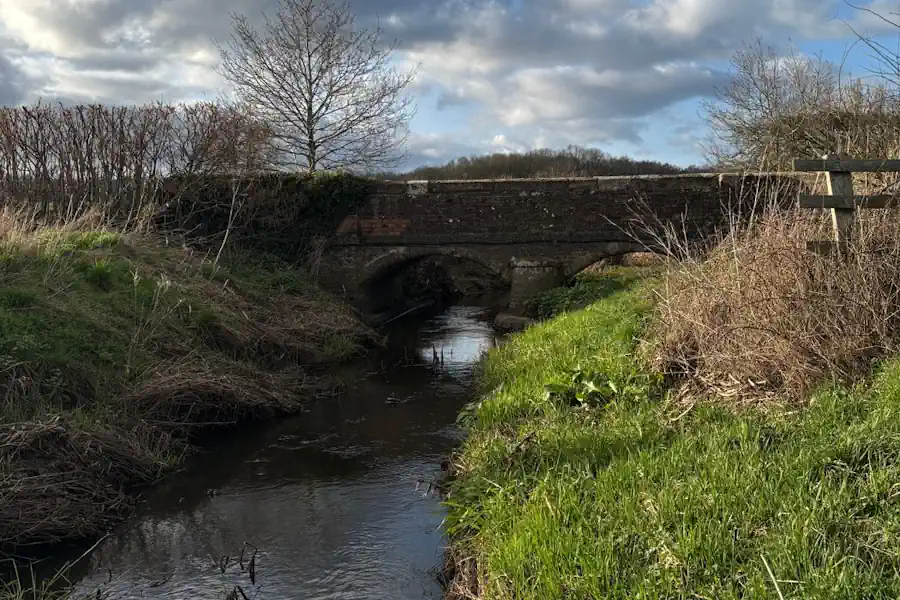
Shavington Estate
Shavington Estate
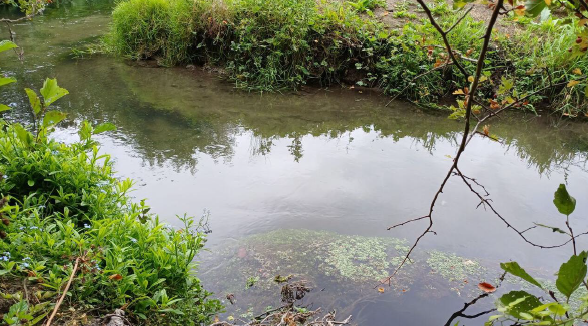
Hurst Farm
Hurst Farm
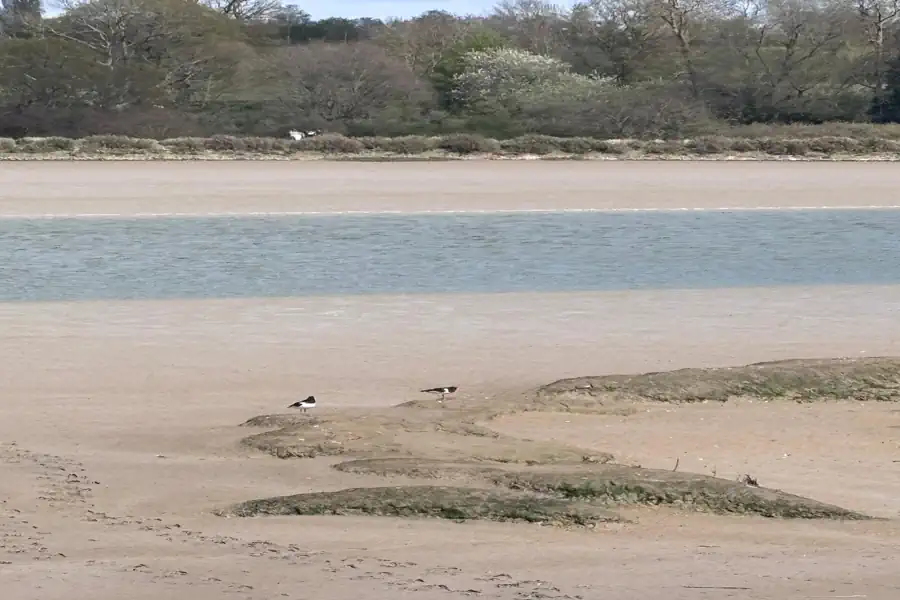
Essex BNG at Priors Farm
Essex BNG at Priors Farm

Somerset BNG Scheme
Trinity Farm & Eastcombe Fields
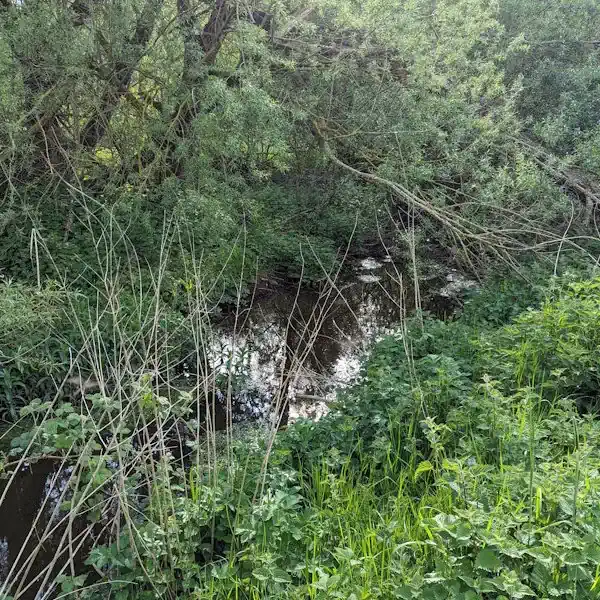
Tees Nutrient Mitigation
Tees Nutrient Mitigation Scheme
.jpg)
Wiltshire BNG at Lydeway
Land at Lydeway
.jpg)
Herefordshire BNG at Hampton Wafre
Hampton Wafre Farm
Are you looking to start a BNG scheme?
Talk to Greenshank and explore the opportunities we offer through your land.
Latest News
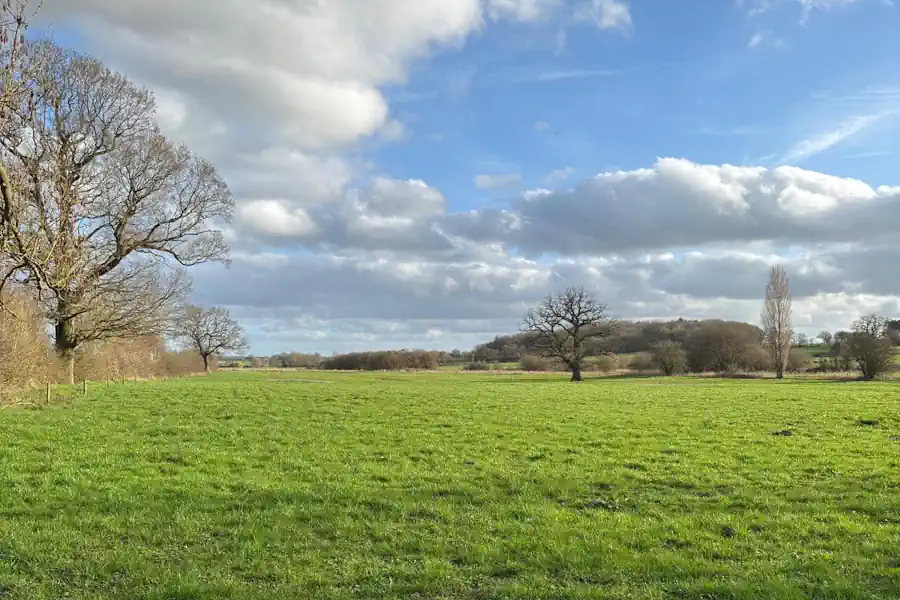
A step-by-step guide for landowners looking to sell their land as BNG units, and how Greenshank can help at every stage of the process.
.webp)
Find out how biodiversity net gain legislation works under the Environment Act 2021, what it requires, and which developments are exempt.
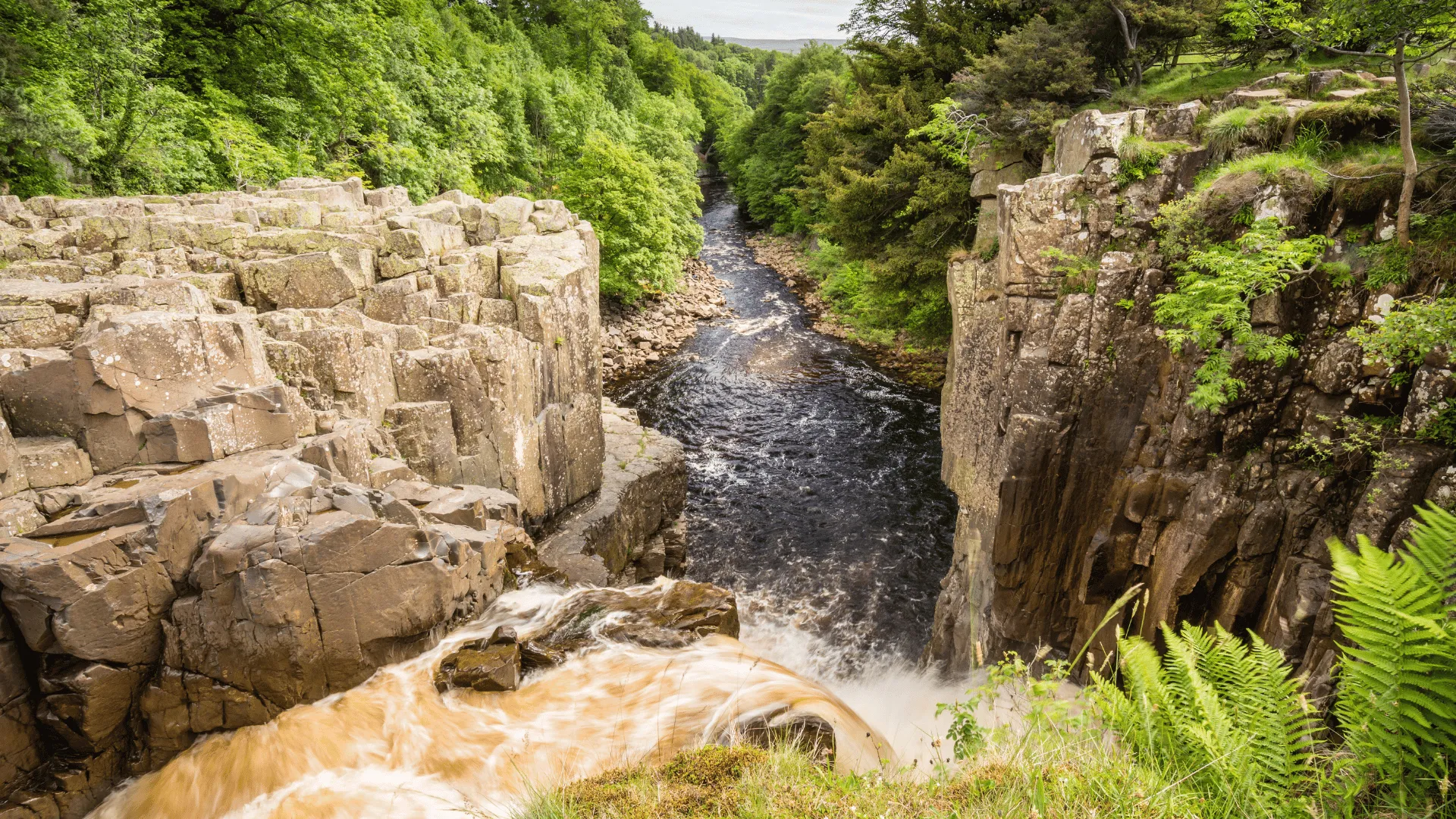
Find out how nutrient mitigation schemes work for landowners, how nutrient credits are generated, and how to combine nutrient and BNG income.