
Ribble Valley LPA BNG
Discover key habitats, BNG requirements, and planning guidance for developers in Ribble Valley LPA Local Planning Authority.

.avif)
Trusted by Developers and Landowners







Biodiversity Net Gain in Ribble Valley LPA Local Planning Authority
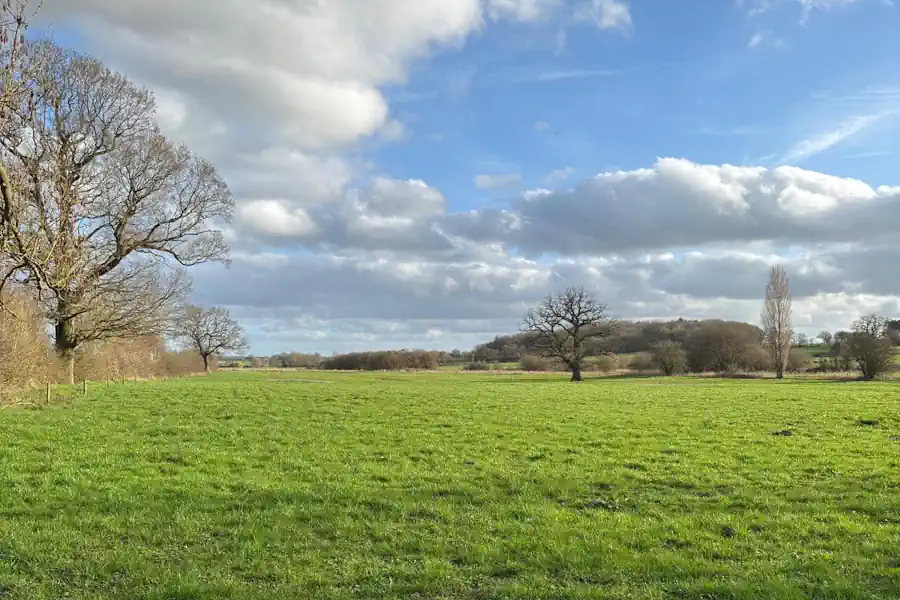
Ribble Valley, located in Lancashire within North West England, is a predominantly rural Local Planning Authority covering approximately 583 square kilometres. The district is characterised by its rolling countryside, market towns such as Clitheroe, and numerous villages like Whalley and Longridge. This diverse rural landscape supports a rich ecological heritage and contributes significantly to regional biodiversity.
Ribble Valley Borough Council is committed to implementing Biodiversity Net Gain (BNG) in line with the Environment Act 2021, requiring developers to secure a minimum 10% net gain in biodiversity value on most development projects. This is achieved through habitat creation, enhancement, or approved off-site units.
The LPA lies largely within the Bowland Fells National Character Area and partly in the Lancashire Valleys, shaping the habitat types found locally. These include upland and lowland heathlands, ancient woodlands, species-rich grasslands, and important river corridors, many of which are priority habitats under the UK Biodiversity Action Plan. This diverse ecological landscape presents both opportunities and challenges for effective BNG delivery, requiring detailed ecological assessment and planning.
Understanding Ribble Valley’s natural landscape, habitat distribution, and policy framework is essential for developers, landowners, and planners to meet BNG requirements successfully.
Habitats in Ribble Valley LPA Local Planning Authority
.avif)
Ribble Valley’s habitats are influenced by its upland and valley landscapes:
Grassland Habitats
Upland heath and acid grasslands are common on the higher moorland areas, supporting specialist flora and fauna.
Lowland meadows and species-rich pastures occur in valley floors and valley sides, important for pollinators and ground-nesting birds.
Improved agricultural grasslands are widespread but hold lower biodiversity value unless enhanced.
Woodland and Forest Habitats
Extensive ancient and semi-natural woodlands, particularly oak and ash dominated, provide key habitats for bats, birds, and invertebrates.
Wood-pasture and veteran trees are scattered across the landscape, recognised as rare and high-value BNG habitats.
Heathland and Shrub
Lowland heath and upland heath areas support heathland specialist species including reptiles and birds such as the curlew.
Wetland and Watercourse Habitats
The River Ribble and its tributaries, designated as Sites of Special Scientific Interest (SSSIs), support priority aquatic and floodplain habitats.
Small wetlands, ponds, and reedbeds add to habitat diversity.
Hedgerows and Linear Features
The rural landscape is characterised by species-rich hedgerows, often alongside stone walls, acting as important wildlife corridors.
Ribble Valley LPA BNG Planning
For BNG delivery in Ribble Valley, protecting and enhancing high distinctiveness habitats such as upland heath, ancient woodland, lowland meadows, and priority river habitats is critical to achieving significant biodiversity gains. Restoration or creation of these habitats yields the highest uplift but involves more stringent metric criteria.
Improving lower distinctiveness habitats such as improved grasslands, croplands, and hedgerows through targeted planting, buffer zones, and management practices provides practical options for local BNG contributions.

Clitheroe
Longridge
Get notified of a scheme
We do not currently have any schemes covering this LPA.
Get notified when a scheme is available in this area.
Discover Schemes in
Ribble Valley LPA
LPA
Restoring ecosystems and creating sustainable habitats
through BNG and nutrient mitigation.
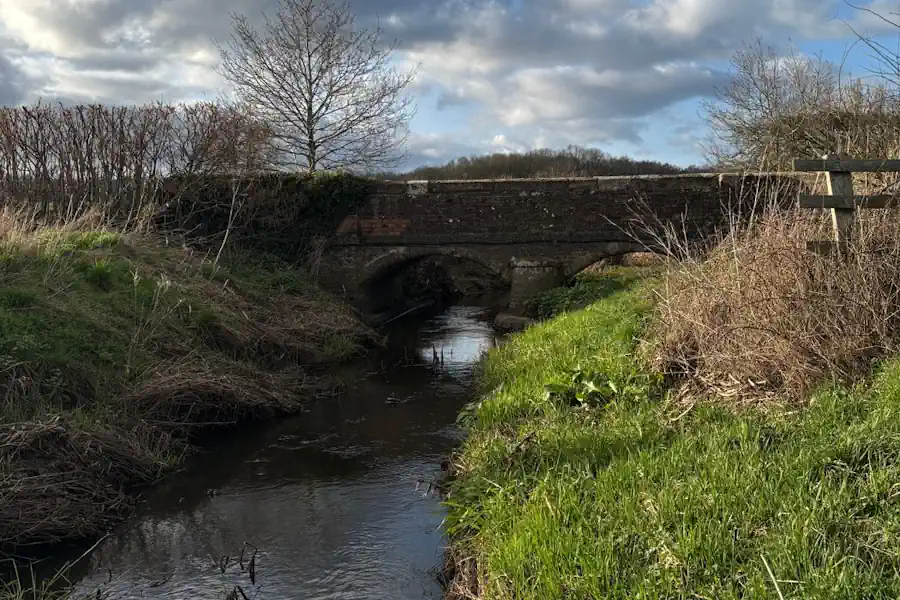
Shavington Estate
Shavington Estate
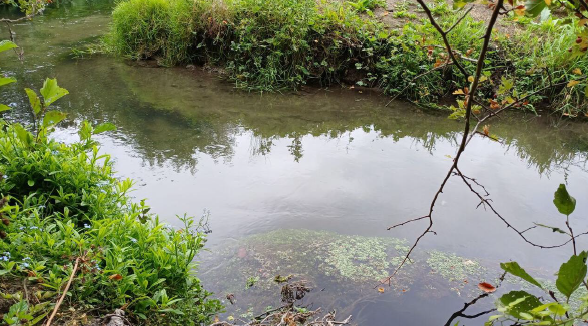
Hurst Farm
Hurst Farm
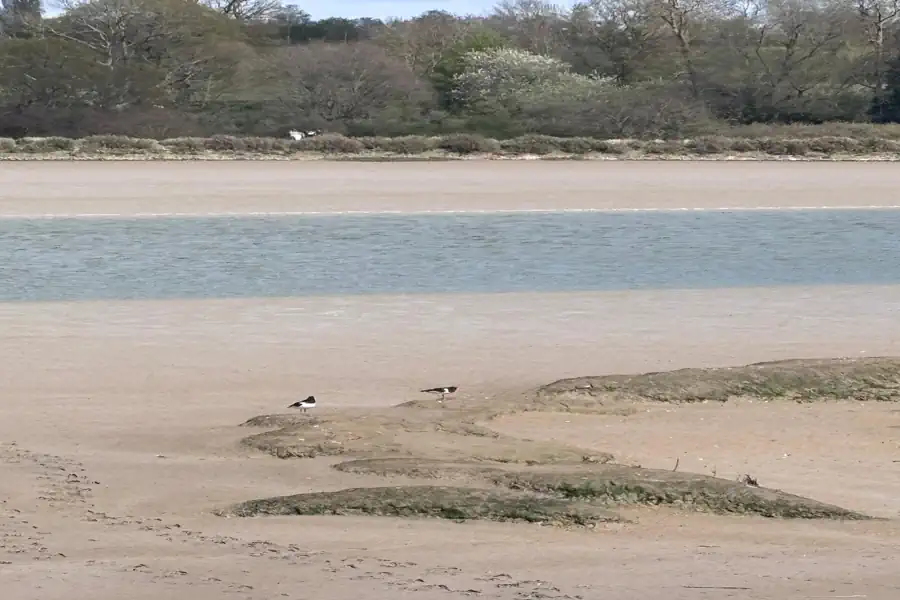
Essex BNG at Priors Farm
Essex BNG at Priors Farm

Somerset BNG Scheme
Trinity Farm & Eastcombe Fields
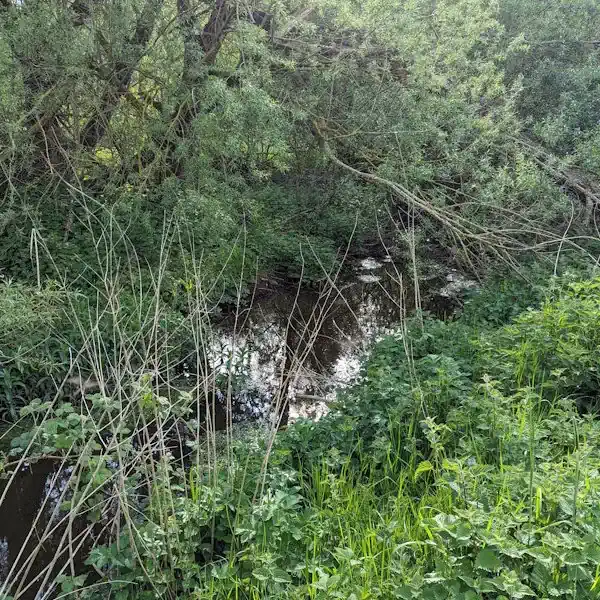
Tees Nutrient Mitigation
Tees Nutrient Mitigation Scheme
.jpg)
Wiltshire BNG at Lydeway
Land at Lydeway
.jpg)
Herefordshire BNG at Hampton Wafre
Hampton Wafre Farm
Are you looking to start a BNG scheme?
Talk to Greenshank and explore the opportunities we offer through your land.
Latest News
A step-by-step guide for landowners looking to sell their land as BNG units, and how Greenshank can help at every stage of the process.
.webp)
Find out how biodiversity net gain legislation works under the Environment Act 2021, what it requires, and which developments are exempt.
Find out how nutrient mitigation schemes work for landowners, how nutrient credits are generated, and how to combine nutrient and BNG income.