
Newham LPA BNG
Expert support for Biodiversity Net Gain in Newham LPA. BNG assessments, habitat mapping & access to local BNG units.

.avif)
Trusted by Developers and Landowners







Biodiversity Net Gain in Newham LPA Local Planning Authority
Newham, located in East London, spans roughly 37 square kilometres and is a highly urbanised borough with significant post-industrial regeneration. The area combines dense residential and commercial development with pockets of important green spaces and riverfront habitats along the Thames and River Roding.
In compliance with the Environment Act 2021, Newham Council requires most new development to deliver a minimum of 10% Biodiversity Net Gain (BNG). This can be achieved through on-site habitat creation or enhancement, or by securing off-site biodiversity units, often linked to wider London ecological networks and river corridor restoration projects.
Newham’s ecological character is shaped by its riverine environment, urban parks, wetlands, and brownfield sites, many of which are targeted for biodiversity enhancement and connectivity improvements.
Successful BNG delivery in Newham requires detailed habitat assessments, integration with local green infrastructure strategies, and creative use of urban spaces, including green roofs, wetlands restoration, and community-led habitat projects.
Our team offers comprehensive BNG assessments, habitat surveys, and planning advice tailored to Newham’s urban and riverine context.
Habitats in Newham LPA Local Planning Authority
.avif)
Despite its urban setting, Newham contains a variety of habitats that contribute to local biodiversity.
Urban Green Spaces and Gardens
Parks and Open Spaces: Central Park, Beckton District Park, and the Royal Docks feature grasslands, woodlands, and wetland habitats.
Community Gardens and Allotments: Provide refuge and resources for urban wildlife.
Brownfield Sites: Early successional habitats supporting diverse invertebrates and pioneer plant species.
Green Roofs and Living Walls: Increasingly used in regeneration schemes to boost biodiversity.
Water and Wetland Habitats
River Thames and River Roding: Vital aquatic corridors supporting fish, waterfowl, and amphibians.
Ponds, Reedbeds, and Wetlands: Found in parks and restored docklands, essential for amphibians and wetland birds.
Trees and Woodland Features
Street Trees and Tree-lined Streets: Form ecological corridors in the urban landscape.
Small Woodland Patches: Present within larger parks and green areas.
Newham LPA BNG Planning
High distinctiveness habitats such as wetland restoration areas, river corridors, and mature woodland patches are key for meaningful biodiversity uplift and are prioritized in planning.
Lower distinctiveness habitats, including amenity grassland and brownfield sites, offer opportunities for habitat creation and enhancement through native planting, structural diversity, and connectivity.

East Ham
West Ham
Canning Town
Beckton
Get notified of a scheme
We do not currently have any schemes covering this LPA.
Get notified when a scheme is available in this area.
Discover Schemes in
Newham LPA
LPA
Restoring ecosystems and creating sustainable habitats
through BNG and nutrient mitigation.
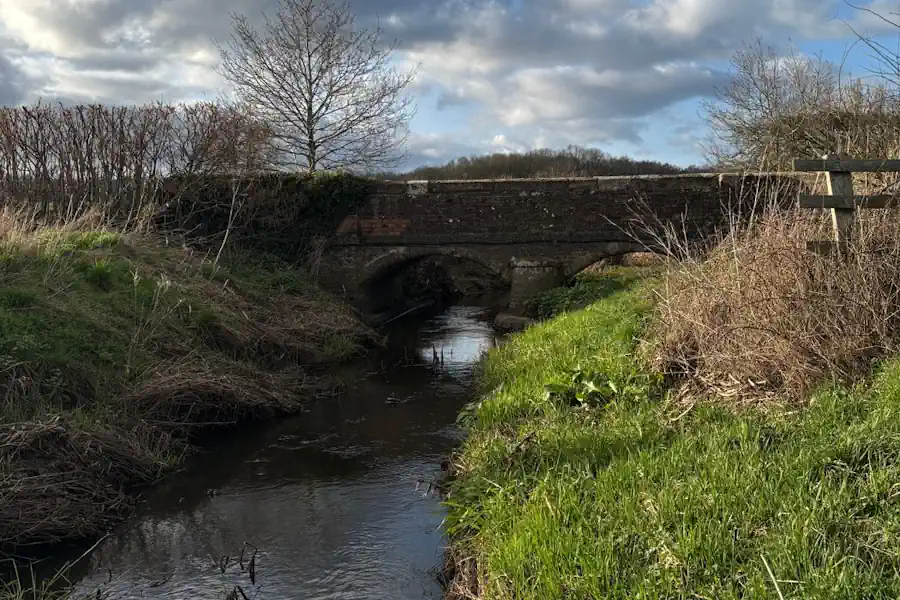
Shavington Estate
Shavington Estate
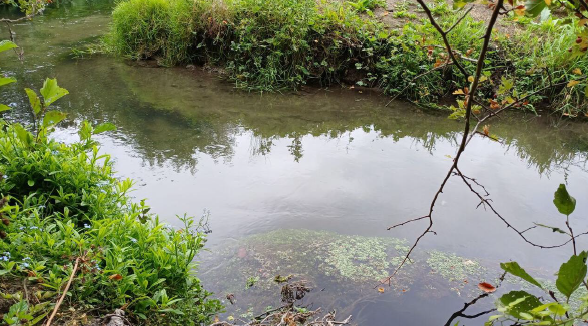
Hurst Farm
Hurst Farm
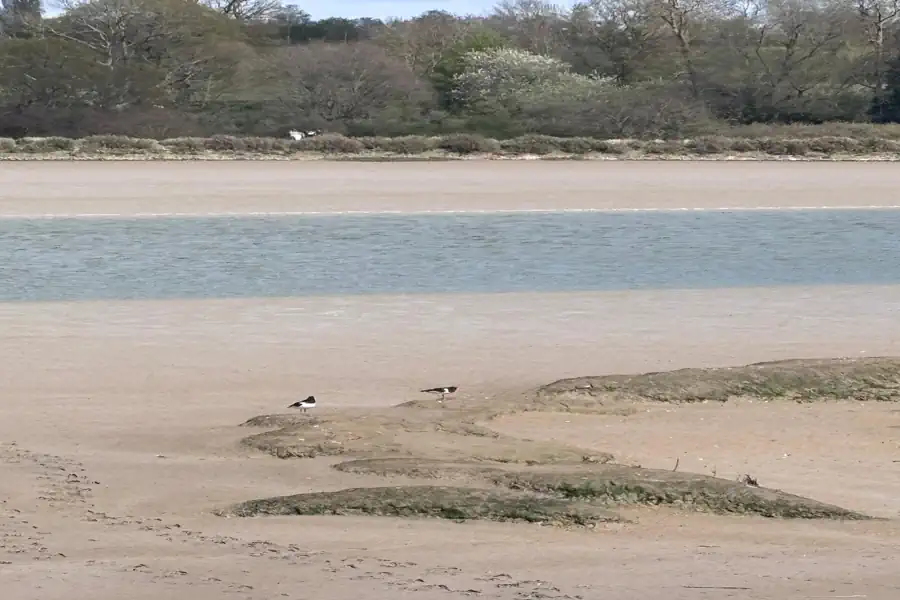
Essex BNG at Priors Farm
Essex BNG at Priors Farm

Somerset BNG Scheme
Trinity Farm & Eastcombe Fields
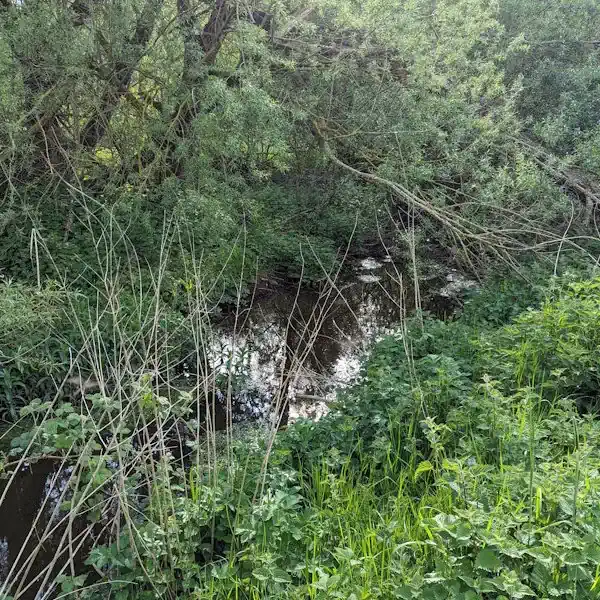
Tees Nutrient Mitigation
Tees Nutrient Mitigation Scheme
.jpg)
Wiltshire BNG at Lydeway
Land at Lydeway
.jpg)
Herefordshire BNG at Hampton Wafre
Hampton Wafre Farm
Are you looking to start a BNG scheme?
Talk to Greenshank and explore the opportunities we offer through your land.
Latest News
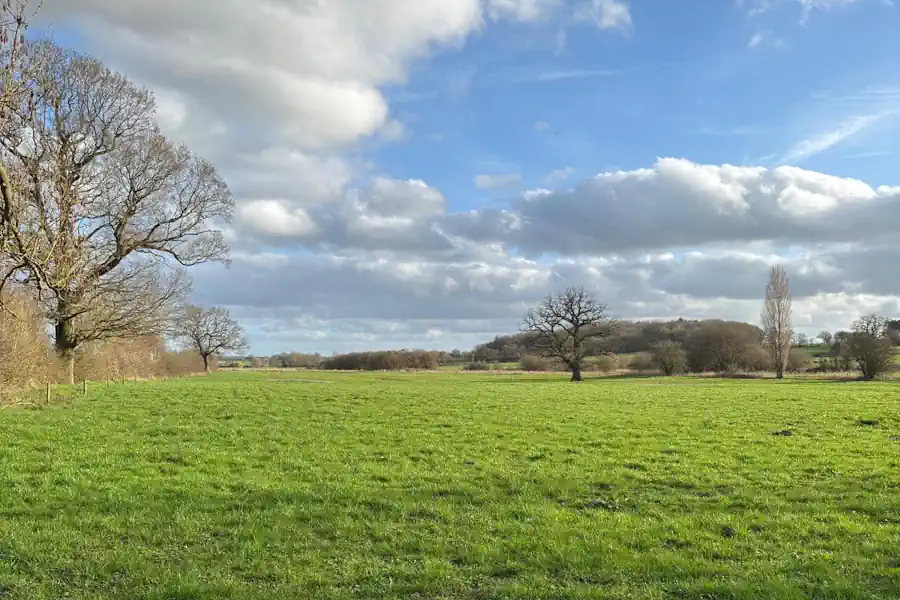
A step-by-step guide for landowners looking to sell their land as BNG units, and how Greenshank can help at every stage of the process.
.webp)
Find out how biodiversity net gain legislation works under the Environment Act 2021, what it requires, and which developments are exempt.
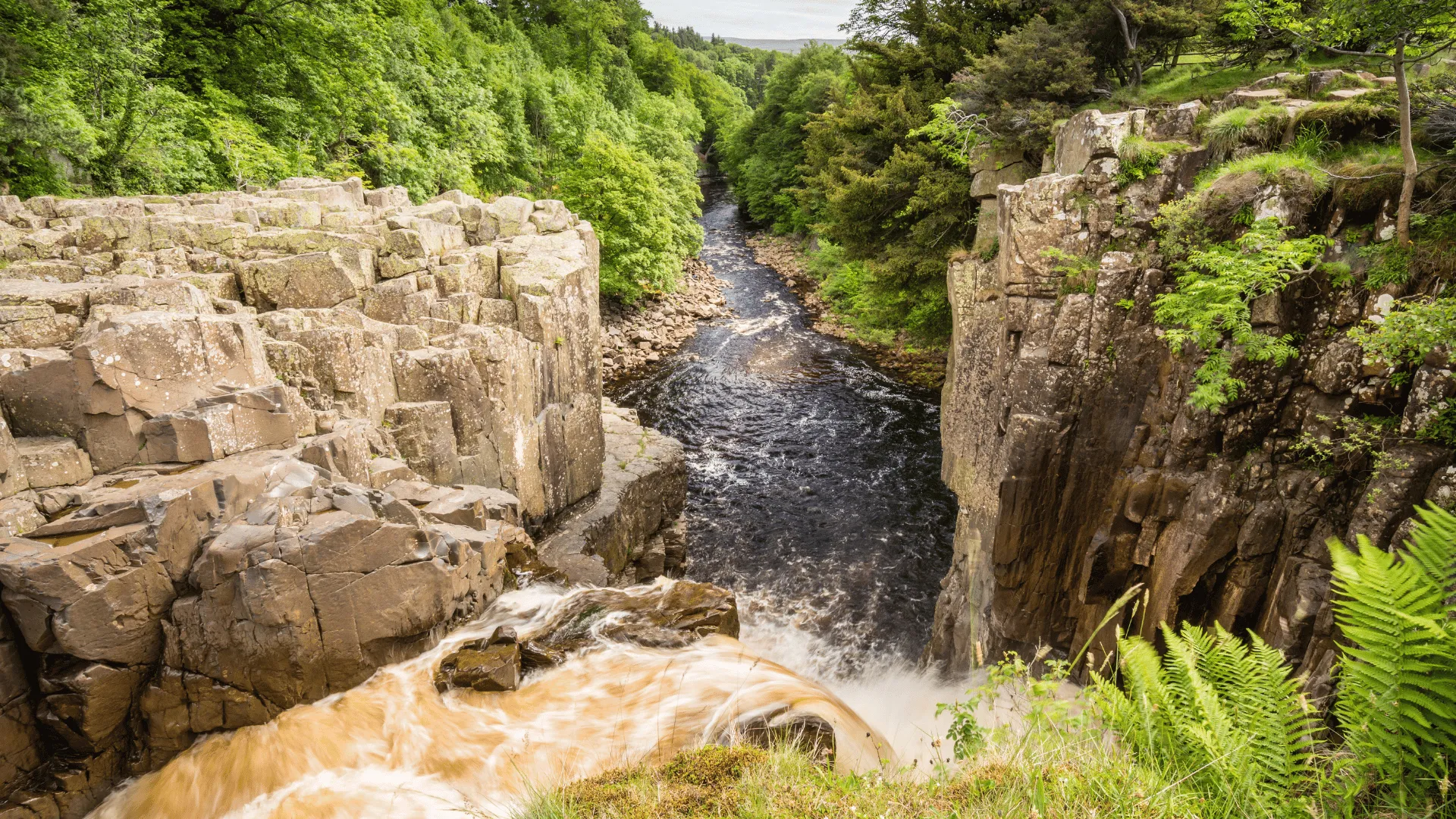
Find out how nutrient mitigation schemes work for landowners, how nutrient credits are generated, and how to combine nutrient and BNG income.