
Leicester LPA BNG
Explore BNG rules, habitats, and opportunities in Leicester LPA LPA. Learn how to meet biodiversity requirements in planning and development.

.avif)
Trusted by Developers and Landowners







Biodiversity Net Gain in Leicester LPA Local Planning Authority
Leicester is a compact unitary authority in the East Midlands, encompassing a densely populated urban core surrounded by rivers, parks, and green corridors. Covering around 73 square kilometres, the city features a blend of residential, commercial, and industrial development alongside local nature reserves and watercourses such as the River Soar and Grand Union Canal.
Leicester City Council requires most developments to achieve a minimum of 10% Biodiversity Net Gain (BNG), in accordance with the Environment Act 2021. The statutory biodiversity metric must be used to assess habitat losses and gains, whether delivered on-site or via off-site biodiversity units.
The city falls within National Character Area Leicestershire Vales. Typical habitats include neutral grasslands, urban woodland, rivers, wetlands, and brownfield mosaic habitats. Wildlife in the area includes water vole, kingfisher, amphibians, bats, and a variety of pollinators.
BNG opportunities in Leicester focus on enhancing existing urban greenspace, restoring river corridors, creating pollinator-friendly planting schemes, and improving habitat connectivity across the urban landscape.
We offer full BNG services in Leicester, including UKHab surveys, biodiversity metric calculations, and strategies for habitat creation in high-density areas.
Habitats in Leicester LPA Local Planning Authority
.avif)
Despite its urban character, Leicester supports several important and restorable habitats.
Urban and Post-Industrial Habitats
Open Mosaic Habitat on Previously Developed Land (OMHPDL): Present in brownfield and ex-industrial areas, supporting wildflowers and rare invertebrates.
Amenity Grasslands and School Fields: Widely distributed, with high potential for enhancement.
Wetland and Watercourse Habitats
River Soar and Canal Network: Provide key green and blue infrastructure for wildlife movement.
Ponds and Wet Meadows: Found in parks and floodplains, supporting amphibians, dragonflies, and wetland flora.
Woodland and Grassland Habitats
Lowland Mixed Deciduous Woodland: Located in parks and along watercourses, supporting birds, bats, and ground flora.
Semi-Improved Grassland: Common in road verges and park edges, often capable of enhancement.
Linear and Connecting Features
Species-Rich Hedgerows and Urban Tree Lines: Serve as wildlife corridors through built-up areas.
Greenways and Former Railway Lines: Link key ecological zones across the city.
Leicester LPA BNG Planning
High distinctiveness habitats like OMHPDL, rivers, and species-rich grasslands must be protected and enhanced for BNG, offering high biodiversity unit value.
Lower distinctiveness habitats such as amenity grasslands, hedgerows, and canal embankments provide flexible opportunities for on-site habitat creation and improvement.

Leicester
Get notified of a scheme
We do not currently have any schemes covering this LPA.
Get notified when a scheme is available in this area.
Discover Schemes in
Leicester LPA
LPA
Restoring ecosystems and creating sustainable habitats
through BNG and nutrient mitigation.
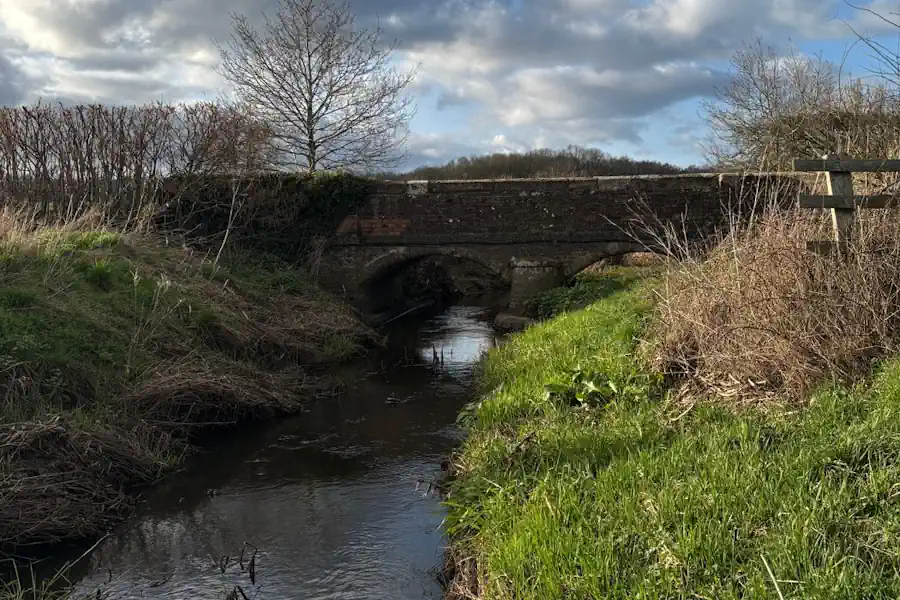
Shavington Estate
Shavington Estate
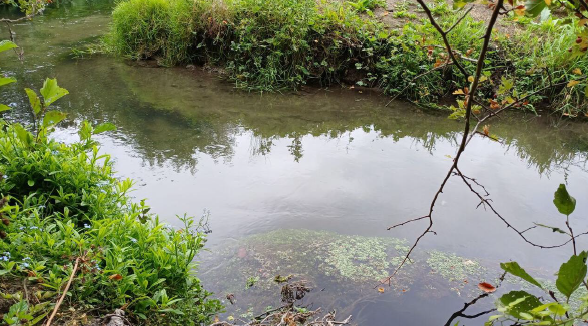
Hurst Farm
Hurst Farm
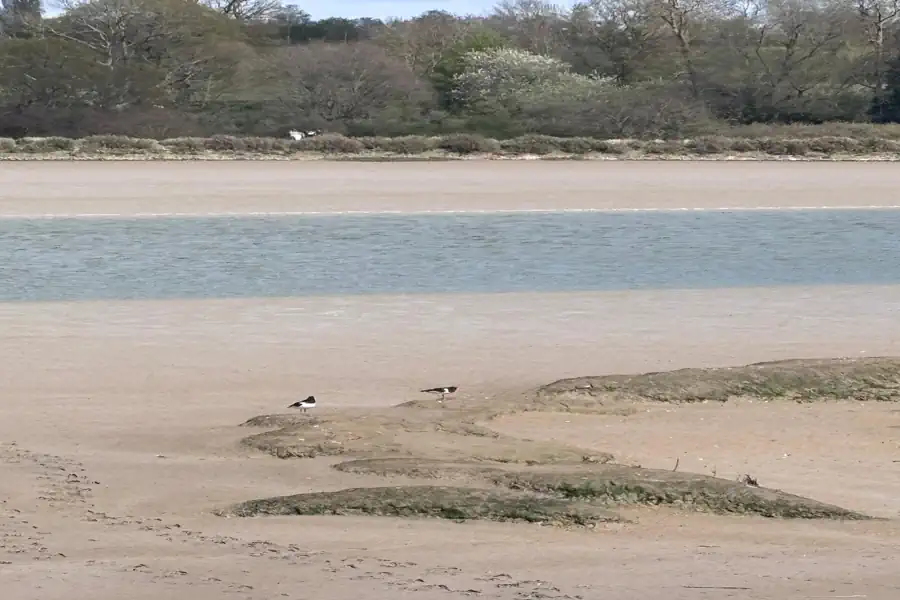
Essex BNG at Priors Farm
Essex BNG at Priors Farm

Somerset BNG Scheme
Trinity Farm & Eastcombe Fields
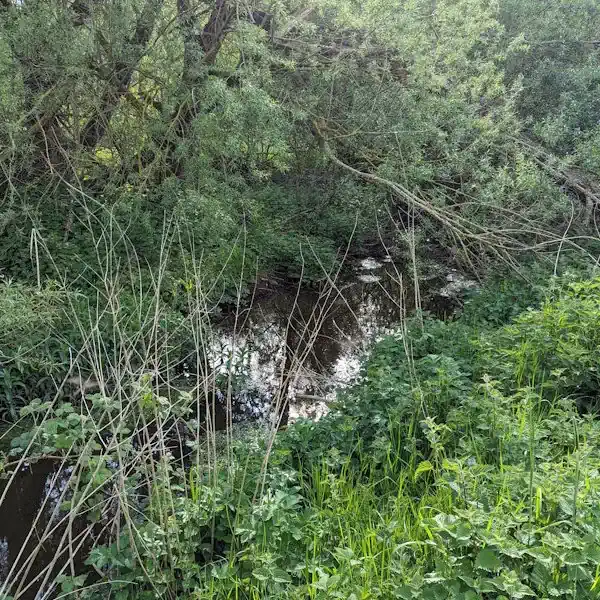
Tees Nutrient Mitigation
Tees Nutrient Mitigation Scheme
.jpg)
Wiltshire BNG at Lydeway
Land at Lydeway
.jpg)
Herefordshire BNG at Hampton Wafre
Hampton Wafre Farm
Are you looking to start a BNG scheme?
Talk to Greenshank and explore the opportunities we offer through your land.
Latest News
A step-by-step guide for landowners looking to sell their land as BNG units, and how Greenshank can help at every stage of the process.
.webp)
Find out how biodiversity net gain legislation works under the Environment Act 2021, what it requires, and which developments are exempt.
Find out how nutrient mitigation schemes work for landowners, how nutrient credits are generated, and how to combine nutrient and BNG income.