
Huntingdonshire LPA BNG
Discover key habitats, BNG requirements, and planning guidance for developers in Huntingdonshire LPA Local Planning Authority.

.avif)
Trusted by Developers and Landowners







Biodiversity Net Gain in Huntingdonshire LPA Local Planning Authority
Huntingdonshire, located in Cambridgeshire within the East of England, is a largely rural Local Planning Authority (LPA) with a rich blend of river valleys, woodland, farmland, and market towns. Covering approximately 909 square kilometres, it is the largest district in Cambridgeshire by area and includes towns such as Huntingdon, St Ives, St Neots, and Ramsey, alongside many villages and countryside landscapes.
Huntingdonshire District Council is committed to implementing Biodiversity Net Gain (BNG) in accordance with the Environment Act 2021. A minimum 10% increase in biodiversity value is required for most new developments, which can be delivered through on-site habitat creation or enhancement, or via off-site biodiversity units and habitat banks.
The district spans parts of several National Character Areas, notably the Bedfordshire and Cambridgeshire Claylands and the Ouse Valley, which influence the prevalence of habitats such as neutral and floodplain grasslands, ancient woodlands, and fen-edge wetland systems. The River Great Ouse and its tributaries form the central ecological spine of the area.
Developers, landowners, and planners working in Huntingdonshire must consider the district’s wide habitat variation and spatial policies when planning for BNG. Our team provides comprehensive support including ecological assessments, metric reporting, and connection to local BNG providers.
Contact us or register to be notified of new BNG opportunities in Huntingdonshire.
Habitats in Huntingdonshire LPA Local Planning Authority
.avif)
Huntingdonshire’s varied landscapes offer a rich palette of habitats for Biodiversity Net Gain delivery.
Grassland Habitats
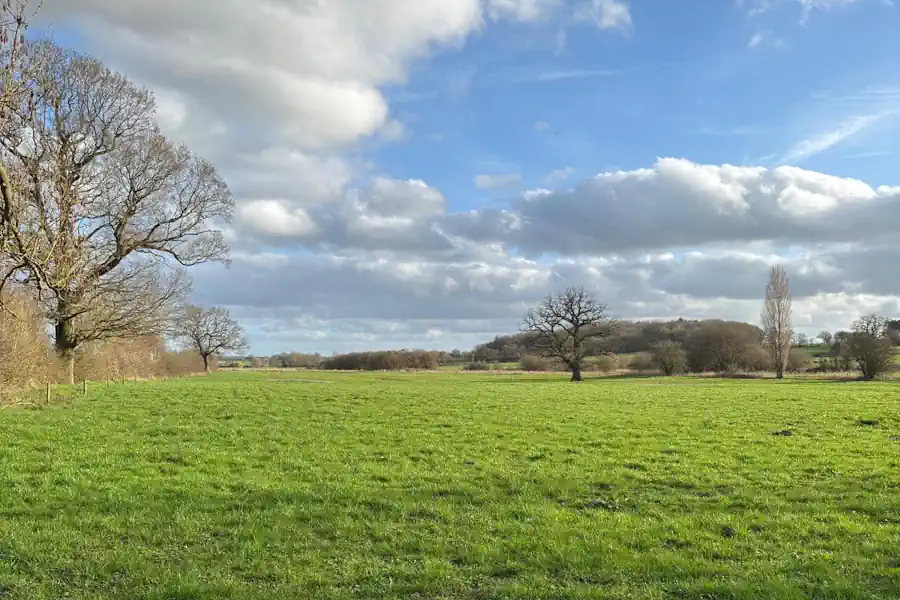
Lowland meadows and floodplain grasslands are found throughout the Ouse Valley and along river corridors.
Improved and semi-improved grasslands dominate farmland and village fringes and can be enhanced to deliver BNG.
Woodland and Forest Habitats
Ancient and semi-natural woodlands are present in areas such as Brampton Wood and along valley slopes.
Hedgerow-connected copses and new plantation woodlands support local biodiversity and connectivity.
Heathland and Shrub
Scrub habitats occur in transitional zones, brownfield areas, and open woodland edges, supporting bird and invertebrate life.
Wetland and Watercourse Habitats
The River Great Ouse, Alconbury Brook, and other watercourses support riparian vegetation, wet meadows, and floodplain wetlands.
Ponds, drainage ditches, and restored gravel pits add to the district’s wetland diversity.
Cropland Habitats
Arable land is widespread across the district. There is high potential for BNG through the creation of field margins, beetle banks, and hedgerow re-establishment.
Hedgerows and Linear Features
Species-rich hedgerows are characteristic of the rural landscape, functioning as critical corridors for bats, birds, and insects.
Huntingdonshire LPA BNG Planning
BNG in Huntingdonshire should focus on protecting and enhancing high distinctiveness habitats such as floodplain grassland, ancient woodland, and wetland mosaics. These offer high biodiversity value but require careful management.
Enhancing lower distinctiveness habitats—including improved grassland, arable margins, and hedgerows—through native planting and buffering is a practical and scalable approach for both on-site and off-site BNG.

Huntingdon
St Ives
St Neots
Ramsey
Get notified of a scheme
We do not currently have any schemes covering this LPA.
Get notified when a scheme is available in this area.
Discover Schemes in
Huntingdonshire LPA
LPA
Restoring ecosystems and creating sustainable habitats
through BNG and nutrient mitigation.
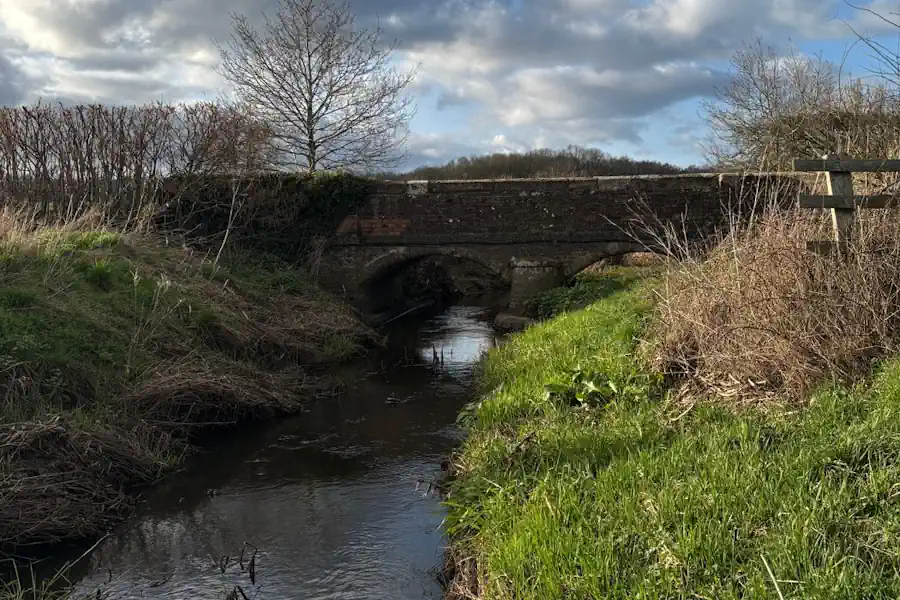
Shavington Estate
Shavington Estate
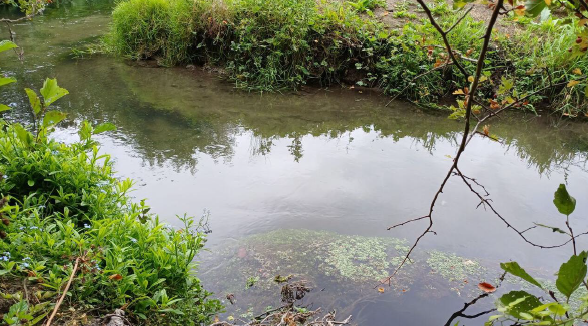
Hurst Farm
Hurst Farm
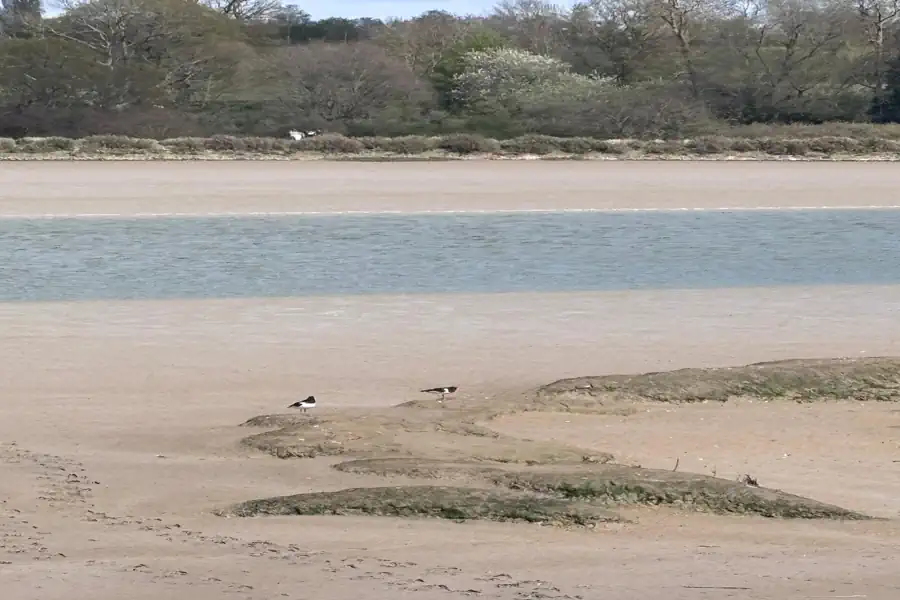
Essex BNG at Priors Farm
Essex BNG at Priors Farm

Somerset BNG Scheme
Trinity Farm & Eastcombe Fields
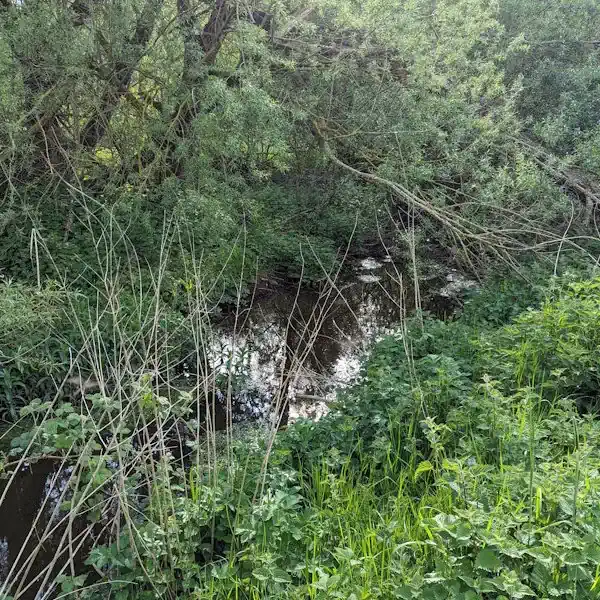
Tees Nutrient Mitigation
Tees Nutrient Mitigation Scheme
.jpg)
Wiltshire BNG at Lydeway
Land at Lydeway
.jpg)
Herefordshire BNG at Hampton Wafre
Hampton Wafre Farm
Are you looking to start a BNG scheme?
Talk to Greenshank and explore the opportunities we offer through your land.
Latest News
A step-by-step guide for landowners looking to sell their land as BNG units, and how Greenshank can help at every stage of the process.
.webp)
Find out how biodiversity net gain legislation works under the Environment Act 2021, what it requires, and which developments are exempt.
Find out how nutrient mitigation schemes work for landowners, how nutrient credits are generated, and how to combine nutrient and BNG income.