
Harrow LPA BNG
Expert support for Biodiversity Net Gain in Harrow LPA. BNG assessments, habitat mapping & access to local BNG units.

.avif)
Trusted by Developers and Landowners







Biodiversity Net Gain in Harrow LPA Local Planning Authority
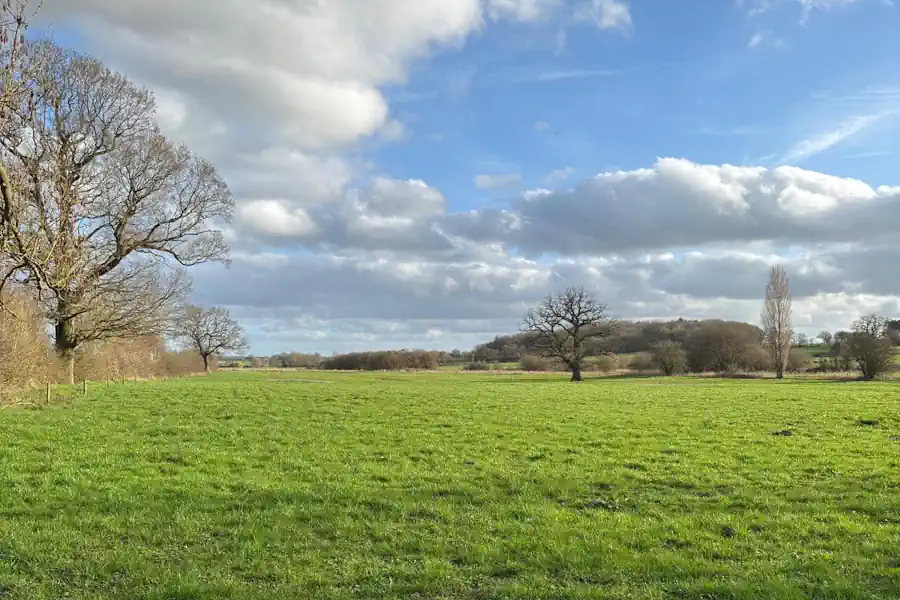
Harrow, located in North West London, is a borough that combines suburban housing, commercial centres, green spaces, and pockets of rural character. Covering approximately 50 square kilometres, Harrow includes areas such as Harrow-on-the-Hill, Wealdstone, Stanmore, and Pinner. The borough features over 50 parks and open spaces, including ancient woodlands, ponds, and the significant Harrow Weald and Stanmore Common areas, supporting a variety of habitats and species.
Aligned with the Environment Act 2021, Harrow Council requires most development proposals to deliver a minimum of 10% Biodiversity Net Gain (BNG). This can be achieved through on-site habitat creation or enhancement, off-site biodiversity units, or investment in borough-wide nature recovery and green infrastructure projects.
Harrow lies within the Northern Thames Basin National Character Area, with its topography shaped by claylands, ancient ridges, and valley networks. The borough's nature conservation value is underpinned by features such as Gilbert’s Lake, Bentley Priory Nature Reserve, and numerous hedgerows and tree belts, which form vital ecological corridors through the suburban landscape.
Harrow’s mix of residential development, parkland, and remnant natural habitats offers varied opportunities for BNG. Enhancing connectivity, managing woodland edges, and introducing wildflower grasslands into urban greenspace are key strategies for local biodiversity enhancement.
For developers, landowners, and planning professionals in Harrow, understanding the borough’s habitat types, ecological sensitivities, and planning context is essential. Our team provides full support with habitat surveys, metric calculations, and the design and delivery of successful on-site and off-site BNG strategies.
To learn more or receive updates about BNG units and schemes in the area, get in touch with us.
Habitats in Harrow LPA Local Planning Authority
.avif)
Harrow’s biodiversity is supported by a wide range of habitat types across greenbelt land, public parks, and urban greenspaces.
Grassland Habitats
Neutral and Acid Grassland: Found on commons and open land such as Stanmore Common, supporting invertebrates and wildflowers.
Amenity Grassland: Common in parks, cemeteries, and housing estates, often suitable for enhancement with wildflower meadows.
Urban Meadows: Established in road verges and smaller greenspaces to increase pollinator habitat.
Woodland and Forest Habitats
Ancient Woodland: Found in areas like Harrow Weald and Bentley Priory, providing key habitats for woodland birds, bats, and flora.
Broadleaved Woodland: Scattered across the borough, offering nesting, foraging, and shading benefits.
Scrub and Secondary Woodland: Found on parkland fringes and brownfield sites, important for transitional wildlife use.
Wetland and Watercourse Habitats
Ponds and Lakes: Such as those at Bentley Priory and Harrow Recreation Ground, providing breeding habitat for amphibians and aquatic invertebrates.
Streams and Brooks: Including the Yeading Brook, supporting riparian vegetation and corridor species.
SuDS Features: Increasingly integrated into new developments for water management and biodiversity enhancement.
Urban and Built Habitats
Green Roofs and Living Walls: Adopted in new developments to improve biodiversity and urban cooling.
Brownfield Land: Supports early successional habitats and invertebrate communities.
Gardens and Allotments: Important for pollinators, birds, and hedgehogs in the suburban matrix.
Hedgerows and Linear Features
Hedgerows and Tree Lines: Found along fields and green spaces, crucial for bird nesting and foraging.
Railways and Green Corridors: Provide ecological connectivity across built-up areas.
Harrow LPA BNG Planning
High and very high distinctiveness habitats—such as ancient woodland, ponds, and neutral grassland—are essential for meaningful BNG delivery in Harrow and must be carefully protected or enhanced. These areas often require long-term stewardship and site-specific ecological design.
Lower distinctiveness habitats like amenity grassland, scrub, and built land can be upgraded to support biodiversity through targeted planting, habitat creation, and green infrastructure enhancements.

Harrow
Wealdstone
Stanmore
Pinner
Kenton
Get notified of a scheme
We do not currently have any schemes covering this LPA.
Get notified when a scheme is available in this area.
Discover Schemes in
Harrow LPA
LPA
Restoring ecosystems and creating sustainable habitats
through BNG and nutrient mitigation.
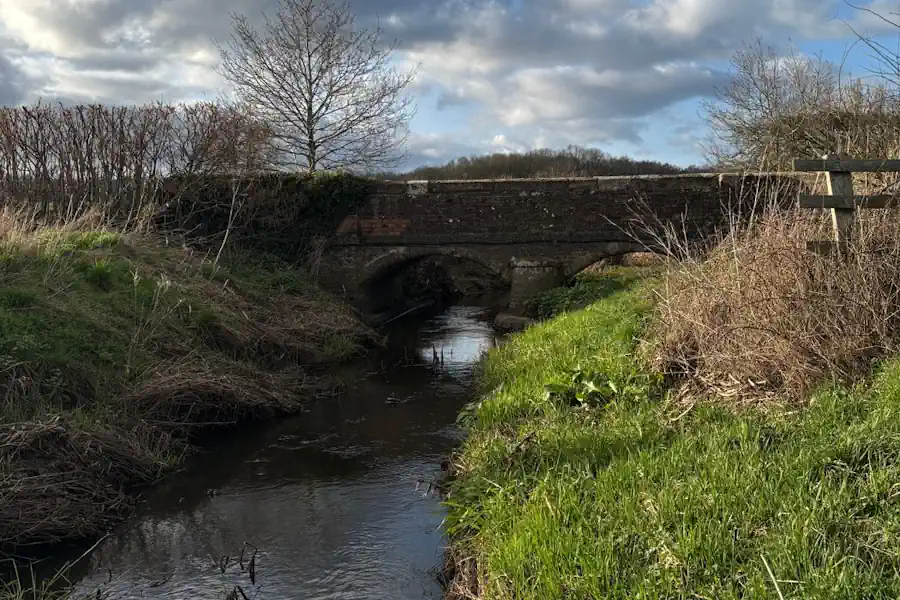
Shavington Estate
Shavington Estate
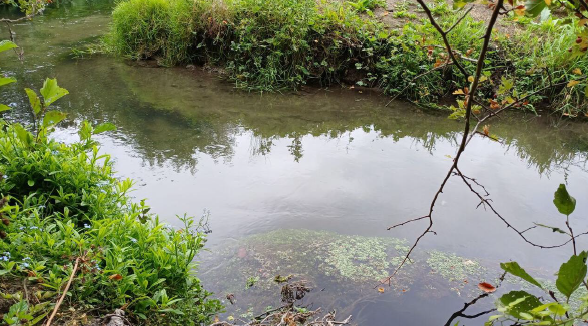
Hurst Farm
Hurst Farm
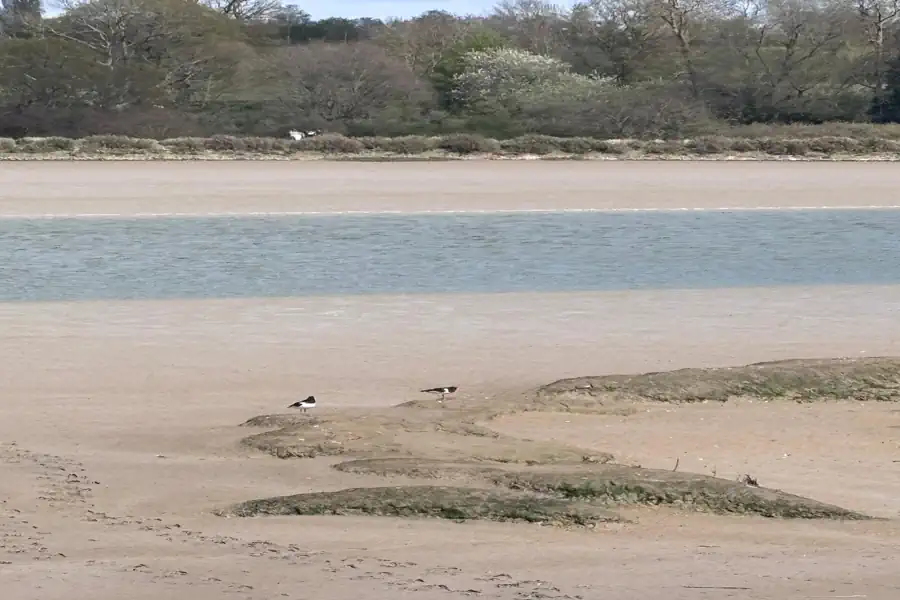
Essex BNG at Priors Farm
Essex BNG at Priors Farm

Somerset BNG Scheme
Trinity Farm & Eastcombe Fields
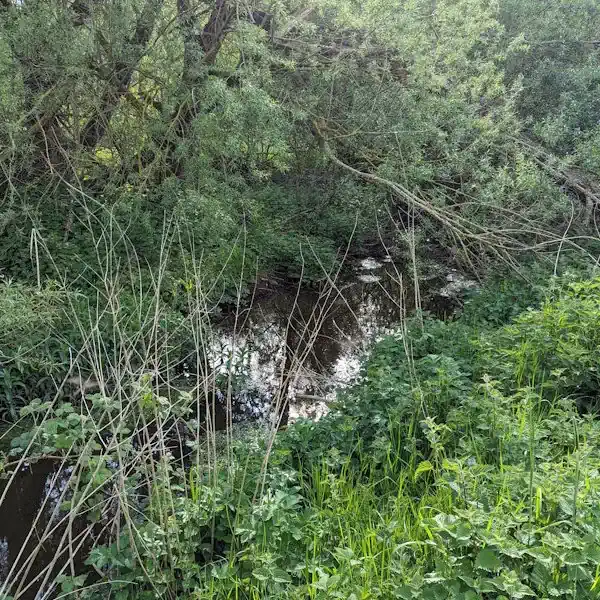
Tees Nutrient Mitigation
Tees Nutrient Mitigation Scheme
.jpg)
Wiltshire BNG at Lydeway
Land at Lydeway
.jpg)
Herefordshire BNG at Hampton Wafre
Hampton Wafre Farm
Are you looking to start a BNG scheme?
Talk to Greenshank and explore the opportunities we offer through your land.
Latest News
A step-by-step guide for landowners looking to sell their land as BNG units, and how Greenshank can help at every stage of the process.
.webp)
Find out how biodiversity net gain legislation works under the Environment Act 2021, what it requires, and which developments are exempt.
Find out how nutrient mitigation schemes work for landowners, how nutrient credits are generated, and how to combine nutrient and BNG income.