
Harlow LPA BNG
Discover key habitats, BNG requirements, and planning guidance for developers in Harlow LPA Local Planning Authority.

.avif)
Trusted by Developers and Landowners







Biodiversity Net Gain in Harlow LPA Local Planning Authority
Harlow, located in Essex, is a predominantly urban Local Planning Authority (LPA) with significant areas of green infrastructure and surrounding rural land. Covering an area of approximately 31 square kilometres, the district centers on the town of Harlow, with additional residential neighbourhoods and greenbelt areas that contribute to its distinctive landscape and ecological character.
As part of its commitment to sustainable development, Harlow Council actively supports the implementation of Biodiversity Net Gain (BNG) in line with the Environment Act 2021. Developers working within the LPA are required to deliver a minimum 10% net gain in biodiversity value for most developments, secured through habitat creation, enhancement, or approved off-site units.
Harlow falls within the South Suffolk and North Essex Claylands National Character Area. This influences the diverse habitat types found in the district, including ancient and secondary woodlands, lowland meadows, acid grasslands, floodplain wetlands, and parklands. Many of these habitats are recognised as priority under the UK Biodiversity Action Plan. This ecological diversity presents both opportunities and constraints for BNG delivery, necessitating thorough ecological assessment and strategic habitat planning.
For developers, landowners, and planners operating within Harlow, understanding the LPA’s landscape, habitat mosaic, and regional policy context is critical to successfully meeting BNG obligations. Our team provides tailored support through BNG assessments, habitat mapping, and access to verified local BNG units and schemes.
To learn more about BNG opportunities in this area, contact us or register to be notified when local schemes become available.
Habitats in Harlow LPA Local Planning Authority
.avif)
Harlow’s landscape reflects a mix of urban, suburban, and rural habitats, influenced by its location at the urban fringe of London and its surrounding greenbelt.
Grassland Habitats
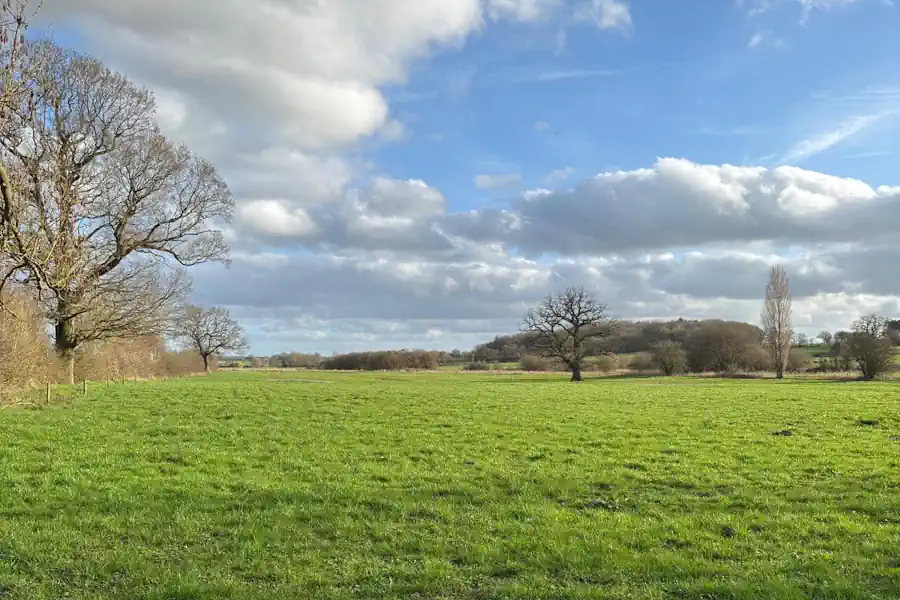
Lowland meadows occur within greenbelt and Local Wildlife Sites, providing valuable habitat for wildflowers, pollinators, and ground-nesting birds.
Improved grassland is widespread on farmland but offers potential for biodiversity enhancement through creation of species-rich swards and field margins.
Woodland and Forest Habitats
Ancient semi-natural woodlands, including small fragments, support a variety of native flora and fauna such as bats and woodland birds.
Secondary woodland and parkland with veteran trees contribute additional ecological value and form important habitat corridors.
Heathland and Shrub
Remnants of lowland heathland occur in scattered patches, often fragmented but significant for specialist species such as nightjar and Dartford warbler.
Mixed scrub and shrub habitats occur on brownfield sites and transitional areas, offering cover and forage for wildlife.
Wetland and Watercourse Habitats
Floodplain grazing marshes, ponds, ditches, and river corridors—especially along the River Stort—support priority wetland habitats and associated species.
Local Wildlife Sites protect mosaics of wetland habitats critical for amphibians, invertebrates, and waterfowl.
Cropland Habitats
Extensive arable farmland dominates the rural parts of Harlow, with increasing scope to integrate biodiversity-friendly practices such as wildflower margins and beetle banks.
Hedgerows and Linear Features
Species-rich hedgerows linked with ditches and banks form vital ecological corridors, connecting fragmented habitats and aiding species movement.
Harlow LPA BNG Planning
For BNG delivery in Harlow, protecting and enhancing high distinctiveness habitats such as ancient woodland, lowland meadows, floodplain grazing marsh, and lowland heathland is particularly important. Restoration or creation of these habitats provides the highest biodiversity uplift but also requires robust management and metric adherence.
Enhancement of lower distinctiveness habitats, including improved grassland, arable margins, and hedgerows through native planting and buffering, offers practical, scalable options for on-site or local BNG contributions.
Off-site habitat creation or contributions to verified habitat banks may be necessary for larger developments or where on-site opportunities are limited.

Harlow
Old Harlow
Church Langley
Netteswell
Potter Street
Get notified of a scheme
We do not currently have any schemes covering this LPA.
Get notified when a scheme is available in this area.
Discover Schemes in
Harlow LPA
LPA
Restoring ecosystems and creating sustainable habitats
through BNG and nutrient mitigation.
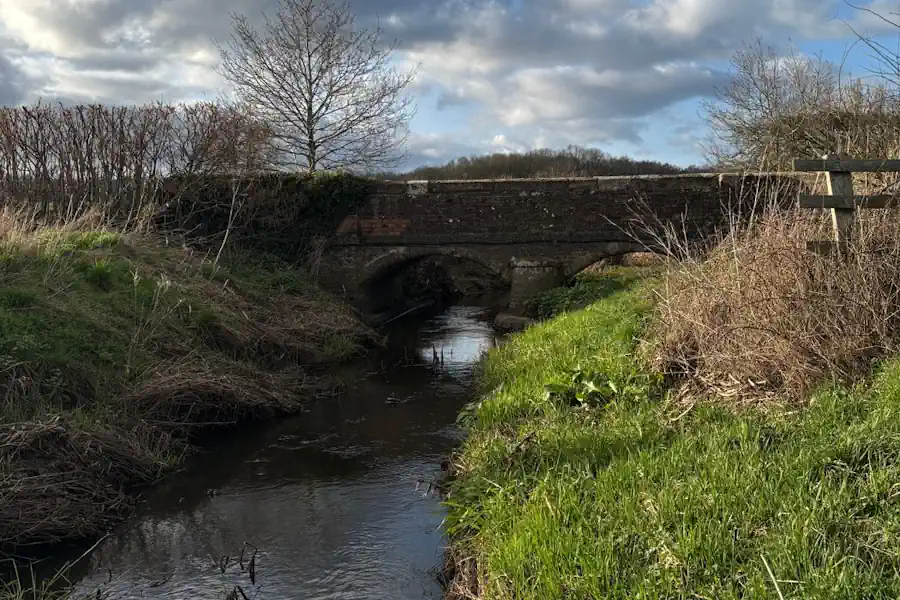
Shavington Estate
Shavington Estate
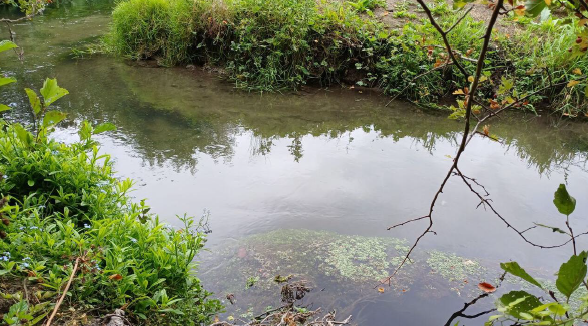
Hurst Farm
Hurst Farm
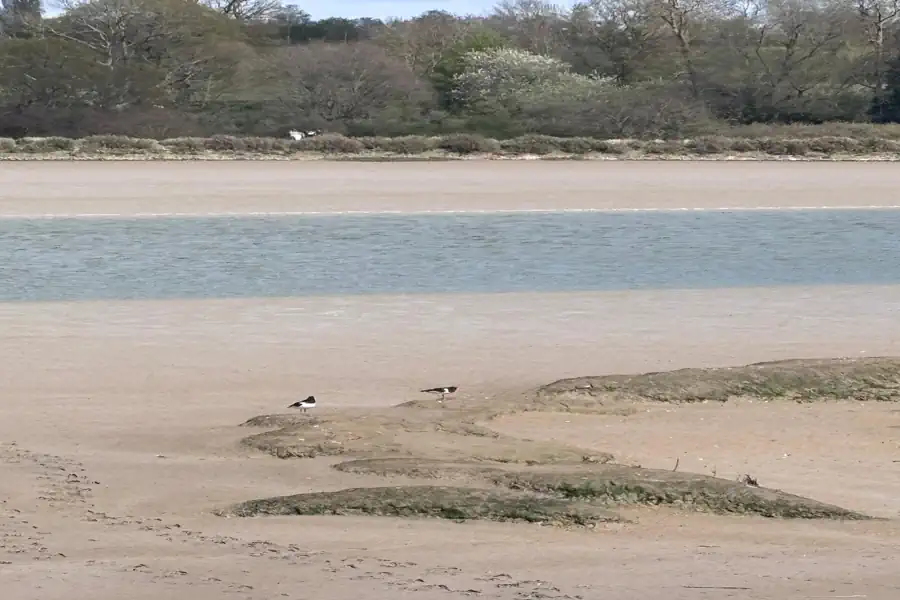
Essex BNG at Priors Farm
Essex BNG at Priors Farm

Somerset BNG Scheme
Trinity Farm & Eastcombe Fields
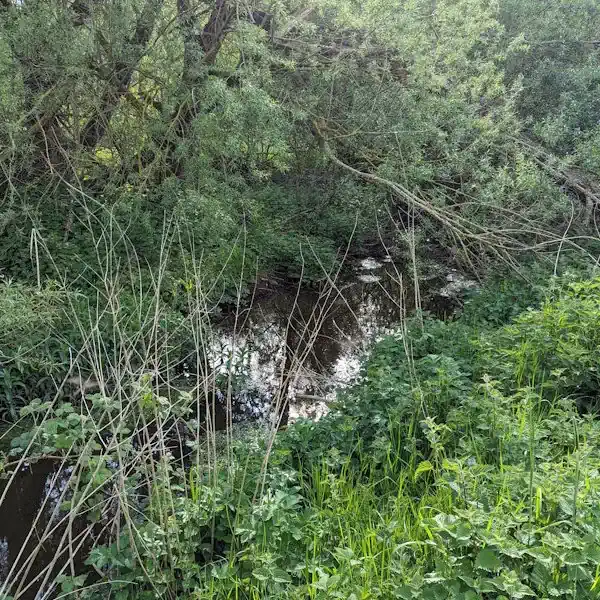
Tees Nutrient Mitigation
Tees Nutrient Mitigation Scheme
.jpg)
Wiltshire BNG at Lydeway
Land at Lydeway
.jpg)
Herefordshire BNG at Hampton Wafre
Hampton Wafre Farm
Are you looking to start a BNG scheme?
Talk to Greenshank and explore the opportunities we offer through your land.
Latest News
A step-by-step guide for landowners looking to sell their land as BNG units, and how Greenshank can help at every stage of the process.
.webp)
Find out how biodiversity net gain legislation works under the Environment Act 2021, what it requires, and which developments are exempt.
Find out how nutrient mitigation schemes work for landowners, how nutrient credits are generated, and how to combine nutrient and BNG income.