Doncaster LPA BNG

Discover key habitats, BNG requirements, and planning guidance for developers in Doncaster LPA Local Planning Authority.

This LPA can be served by our schemes in:
No items found.
Doncaster LPAField of daisies and wildflowers lit by warm sunlight with a blurred forest background.

Trusted by Developers and Landowners

Biodiversity Net Gain in Doncaster LPA Local Planning Authority

wild flower meadow in the uk for biodiversity in the sunshine

West Berkshire, located in South East England, is a predominantly rural Local Planning Authority (LPA) known for its diverse natural environment and rich ecological heritage. Covering an area of approximately 704 square kilometres, the district includes a range of urban centres and rural settlements, with Newbury serving as the principal town. Other significant towns and villages within the LPA include Thatcham, Hungerford, Pangbourne, and Theale, each contributing to the area's distinctive landscape character and biodiversity value.

As part of its commitment to sustainable development, West Berkshire Council actively supports the implementation of Biodiversity Net Gain (BNG) in line with the Environment Act 2021. Developers working within the LPA are required to deliver a minimum 10% net gain in biodiversity value for most developments, secured through habitat creation, enhancement, or approved off-site units.

West Berkshire encompasses several National Character Areas (NCAs), notably the North Wessex Downs and Thames Basin Heaths, each influencing the typical habitat types found in the region. These include ancient woodlands, chalk grasslands, river valleys, lowland mixed deciduous woodlands, and floodplain meadows—many of which are priority habitats under the UK Biodiversity Action Plan. This ecological diversity presents both opportunities and constraints for BNG delivery, requiring careful ecological assessment and strategic planning.

For developers, landowners, and planners operating within West Berkshire, understanding the LPA’s landscape, habitat distribution, and regional policy context is critical to meeting BNG obligations. Our team provides tailored support through BNG assessments, habitat mapping, and access to verified local BNG units and schemes.

To learn more about BNG opportunities in this area, contact us or register to be notified when local schemes become available.

Doncaster, located in South Yorkshire, is a large and diverse Local Planning Authority spanning approximately 567 square kilometres. It comprises a mix of urban development, former coalfield landscapes, river valleys, and extensive agricultural land. The city of Doncaster serves as the administrative and economic centre, surrounded by smaller towns and rural villages.

Doncaster Council supports the implementation of Biodiversity Net Gain (BNG) in line with the Environment Act 2021, requiring most developments to deliver a minimum 10% net gain in biodiversity. This may be achieved via on-site habitat creation or enhancement, or through investment in approved off-site biodiversity units.

Doncaster lies within multiple National Character Areas (NCAs), including the Humberhead Levels and Southern Magnesian Limestone, which shape the LPA’s diverse ecological profile. The borough supports a wide range of priority habitats, from lowland raised bogs and riverine wetlands to magnesian limestone grasslands and ancient woodland.

Given its size and habitat variety, Doncaster offers multiple opportunities for strategic BNG delivery. The borough’s Green Infrastructure Strategy and Local Plan policies help developers and landowners identify ecologically valuable areas and BNG potential.

Habitats in Doncaster LPA Local Planning Authority

West Berkshire’s landscape is shaped predominantly by the North Wessex Downs National Character Area (NCA 116), a chalk downland landscape of international ecological importance, and partly by the Thames Basin Heaths (NCA 129). These NCAs support a rich mosaic of habitats, many of which are priority habitats under BNG classifications and the UK Biodiversity Action Plan.

Grassland Habitats
Lowland calcareous grassland dominates the chalk ridge areas, supporting diverse plant species like orchids and wild thyme.
Lowland meadows are scattered along the Kennet Valley and floodplain, offering high biodiversity value, particularly for invertebrates and ground-nesting birds.
Areas of modified grassland are common in improved pastures and paddocks, but these hold lower BNG value unless enhanced.
In some acidic soils, lowland dry acid grassland and other lowland acid grassland can be found, especially on sandy substrates and heathland edges.

Woodland and Forest Habitats
The LPA contains extensive lowland mixed deciduous woodland, particularly on the clay-with-flints plateau and valley slopes, providing habitat for bats, dormice, and woodland birds.
Veteran trees and old estates feature wood-pasture and parkland, a rare and highly valued BNG habitat.
Areas of wet woodland, often associated with river valleys, add to the ecological complexity.

Heathland and Shrub
On the fringes of the Thames Basin Heaths, lowland heathland and mixed scrub are present, though often fragmented, supporting heathland birds like nightjar and Dartford warbler.

Wetland and Watercourse Habitats
The River Kennet, a designated Site of Special Scientific Interest (SSSI), provides priority river habitats and supports adjacent floodplain wetland mosaics.
Smaller ponds, reedbeds, and ditches are scattered across the landscape, particularly in floodplain areas.

Cropland Habitats
Much of West Berkshire’s agricultural land is under cereal crops or temporary grass and clover leys, but there is increasing scope to integrate arable field margins for biodiversity gain.

Hedgerows and Linear Features
The rural landscape is strongly characterised by native species-rich hedgerows, often associated with ditches and banks, which function as critical wildlife corridors under BNG classification.

Doncaster supports a diverse range of habitats with high ecological value:

Wetland and Peatland Habitats

The borough includes remnants of lowland raised bog and fen habitats, particularly around Thorne and Hatfield Moors, part of the Humberhead Peatlands SAC and NNR.

Floodplain grazing marsh, reedbeds, and wet woodland are found along the River Don, Torne, and Idle.

Grassland Habitats

Magnesian limestone grasslands support rare flora and occur on free-draining soils in the western parts of the borough.

Neutral meadows and improved grasslands dominate much of the farmland and offer BNG potential when enhanced.

Woodland and Forest Habitats

Doncaster contains lowland mixed deciduous woodland and areas of ancient semi-natural woodland, especially along valley slopes and river corridors.

Urban and rural fringe woodlands contribute to habitat networks.

Cropland and Post-Industrial Land

Arable land is extensive and provides scope for field margin, buffer strip, and hedgerow enhancement.

Former colliery and brownfield sites can develop early-successional vegetation with high biodiversity value.

Hedgerows and Linear Features

Species-rich hedgerows, dykes, and riparian corridors are essential ecological connections across both rural and peri-urban landscapes.

Doncaster LPA BNG Planning

In Doncaster, high distinctiveness habitats such as lowland raised bog, magnesian limestone grassland, wetlands, and ancient woodland are top priorities for protection and restoration. These habitats provide strong uplift under the BNG metric but require careful planning and management.

Wider arable land, improved grassland, and post-industrial land present practical opportunities for BNG delivery through enhancements such as wildflower seeding, reedbed creation, hedgerow planting, and pond installation.

Towns & Cities

Doncaster

Bentley

Armthope

Rossington

Show more +
Surrounding LPAs
Coming soon
Show more +
NCAs
No items found.
Show more +
Habitats
No items found.
Show more +

Get notified of a scheme

We do not currently have any schemes covering this LPA.

Get notified when a scheme is available in this area.

By clicking submit you're confirming that you agree with our Terms and Conditions.
Oops! Something went wrong while submitting the form.

Discover Schemes in

Doncaster LPA

LPA

Restoring ecosystems and creating sustainable habitats
through BNG and nutrient mitigation.
Somerset BNG Scheme

Somerset BNG Scheme

Trinity Farm & Eastcombe Fields
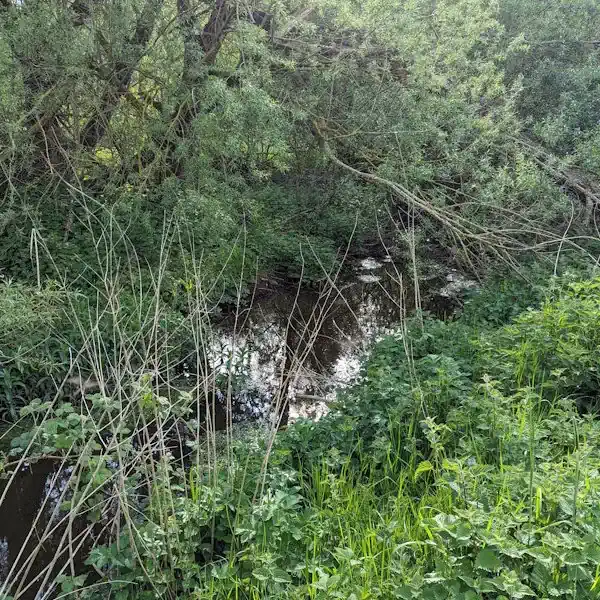
The scheme will complete the Wellington Green Corridor as well as create a ‘green wedge’, bringing nature into the heart of Wellington.
Tees Nutrient Mitigation

Tees Nutrient Mitigation

Tees Nutrient Mitigation Scheme

Our Tees catchment nutrient mitigation scheme uses our drainage ditch approach to nutrient mitigation.
Wiltshire BNG at Lydeway

Wiltshire BNG at Lydeway

Land at Lydeway

A Greenshank-owned Wiltshire site, becoming a rewilded mosaic of grassland, scrub and wetland.
Herefordshire BNG at Hampton Wafre

Herefordshire BNG at Hampton Wafre

Hampton Wafre Farm

A working Herefordshire farm turning steep arable slopes, once prone to soil erosion, into a Biodiversity Net Gain scheme, without giving up the farming.
Essex BNG at James Farm

Essex BNG at James Farm

Weeleys at Far Thorpe Green

A fallow Essex arable farm becoming a rewilded mosaic of grassland, scrub and woodland along Holland Brook, for Biodiversity Net Gain.
Kent BNG Scheme

Kent BNG Scheme

Haffenden Habitat Bank

One of England's last hop farms, farmed by the same family for five generations. Now converting to a habitat bank across both the Low and High Weald NCAs.
Test Valley BNG Scheme

Test Valley BNG Scheme

Blackbarn Farm

Part of a wider farming legacy and nature restoration project, Blackbarn connects five generations of land stewardship with a new model of habitat creation.

Are you looking to start a BNG scheme?

Talk to Greenshank and explore the opportunities we offer through your land.

Latest News
Explore All News

What is Natural Capital?

A look at natural capital, what it means to developers, and how landowners can generate income from it through projects with Greenshank.

Explained: The Biodiversity Net Gain Metric

Find out what the statutory biodiversity metric is, how it calculates BNG units, and what developers need to know to use the metric tool correctly.

EDP: Environmental Delivery Plan, or Environmental Destruction Plan?

Government's first Environmental Delivery Plan risks costing taxpayers more while delivering less nature