
Crawley LPA BNG
Expert support for Biodiversity Net Gain in Crawley LPA. BNG assessments, habitat mapping & access to local BNG units.


Trusted by Developers and Landowners


Biodiversity Net Gain in Crawley LPA Local Planning Authority
Crawley, located in West Sussex, is a growing urban borough characterised by a mix of residential, commercial, and green spaces. Covering around 80 square kilometres, Crawley includes town centres, suburban areas, and valuable pockets of woodland and grassland.
Aligned with the Environment Act 2021, Crawley Borough Council mandates that most development projects deliver a minimum of 10% Biodiversity Net Gain (BNG). This can be achieved through on-site habitat creation or enhancement, off-site biodiversity units, or contributions to local ecological networks.
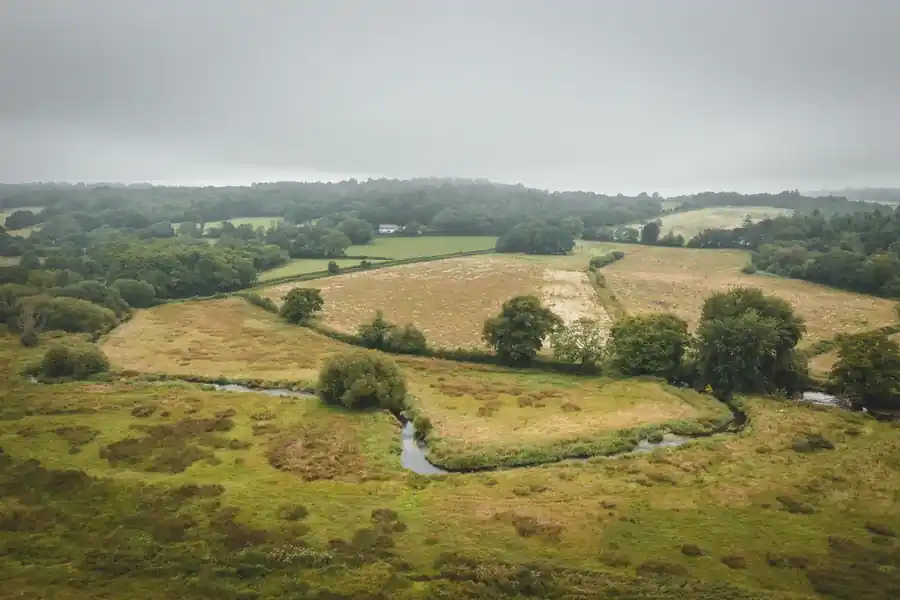
The LPA lies within the Low Weald National Character Area, supporting habitats such as ancient woodland, species-rich hedgerows, ponds, and fragments of lowland meadow.
Crawley’s predominantly urban setting alongside remaining natural habitats provides both challenges and opportunities for BNG through woodland enhancement, pond creation, and hedgerow restoration.
For developers, landowners, and planning professionals in Crawley, understanding local habitats, planning policies, and biodiversity priorities is essential. Our team offers BNG assessments, habitat surveys, and ecological consultancy.
To learn more or receive updates about BNG units and schemes in the area, get in touch with us.
Habitats in Crawley LPA Local Planning Authority

Crawley supports a range of habitats recognised under the Biodiversity Net Gain framework.
Grassland and Meadow Habitats
Lowland Meadows: Small patches of species-rich grassland supporting pollinators and birds.
Improved Grassland: Managed grasslands with potential for enhancement.
Woodland and Forest Habitats
Ancient and Secondary Broadleaved Woodland: Key habitat patches providing shelter and biodiversity.
Wet Woodland: Present in wetter areas and along watercourses.
Wetland and Watercourse Habitats
Ponds and Small Waterbodies: Important for amphibians, dragonflies, and other aquatic species.
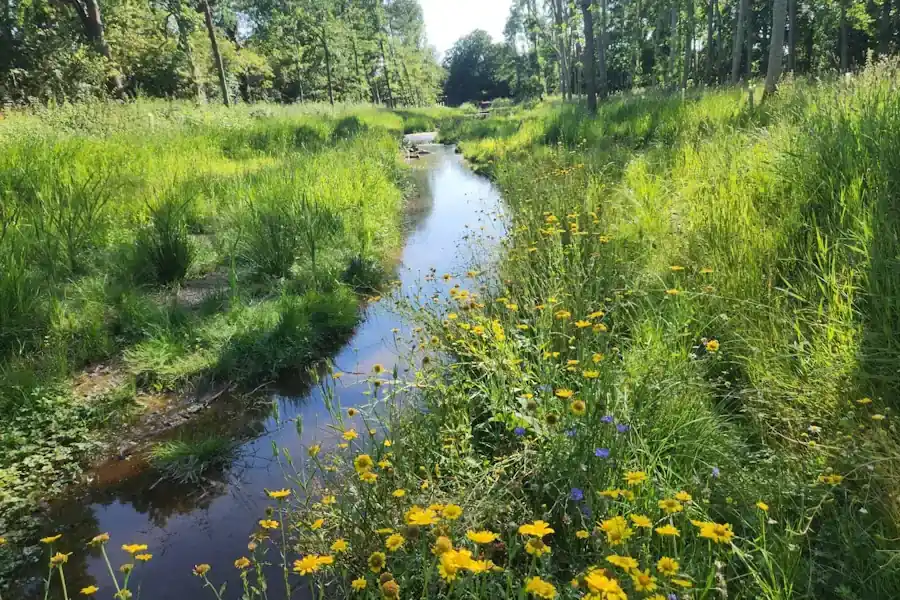
Streams and Drainage Ditches: Supporting aquatic invertebrates and providing corridors.
Hedgerows and Linear Features
Species-Rich Hedgerows: Vital wildlife corridors linking habitats across urban and rural areas.
Crawley
Get notified of a scheme
We do not currently have any schemes covering this LPA.
Get notified when a scheme is available in this area.
Are you looking to start a BNG scheme?
Talk to Greenshank and explore the opportunities we offer through your land.
Latest News
Understand what biodiversity net gain is, how BNG is calculated, and how to buy or sell biodiversity units in England.
A look at natural capital, what it means to developers, and how landowners can generate income from it through projects with Greenshank.

Government's first Environmental Delivery Plan risks costing taxpayers more while delivering less nature