
Cheltenham LPA BNG
Discover key habitats, BNG requirements, and planning guidance for developers in Cheltenham LPA Local Planning Authority.

.avif)
Trusted by Developers and Landowners







Biodiversity Net Gain in Cheltenham LPA Local Planning Authority
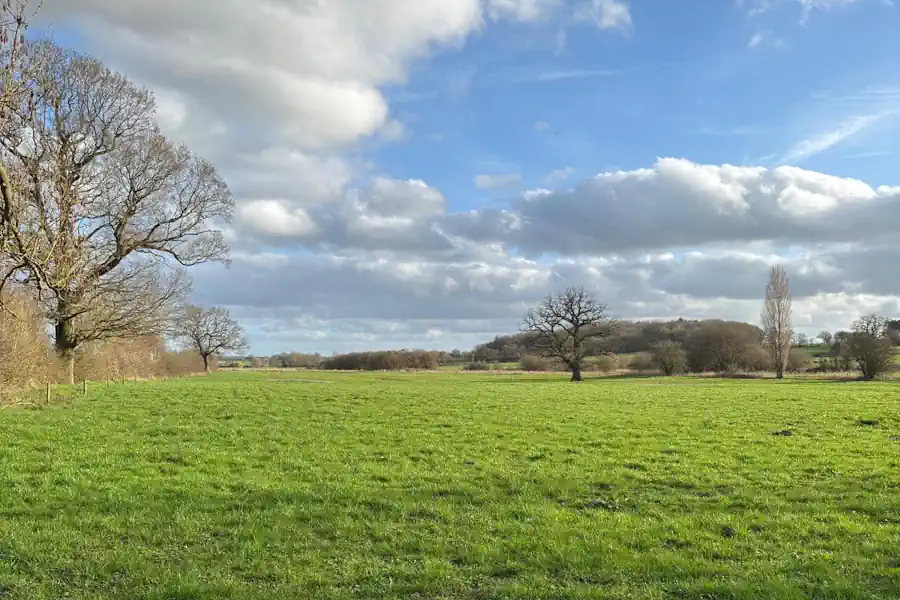
Cheltenham is a historic spa town located in Gloucestershire, South West England. Covering approximately 46 square kilometres, it is characterised by a largely urban setting interspersed with parks, gardens, and green corridors. The town lies close to the Cotswolds Area of Outstanding Natural Beauty (AONB) and benefits from proximity to the River Severn and various rural landscapes surrounding the urban area.
Following the Environment Act 2021, Cheltenham Borough Council requires most development proposals to deliver a minimum of 10% Biodiversity Net Gain (BNG). This can be achieved through on-site habitat creation or enhancement, off-site biodiversity credits, or engagement with local biodiversity offsetting initiatives.
Cheltenham falls within the Cotswolds National Character Area, which influences the ecological character of the area. Habitats typical of the region include lowland mixed woodland, grasslands, and hedgerow networks, all contributing to the local biodiversity fabric.
Urban development pressures alongside conservation areas mean that effective BNG in Cheltenham requires careful integration of biodiversity enhancements into built environments, green infrastructure, and restoration of degraded habitats.
We provide specialist support for BNG in Cheltenham including habitat assessments, metric calculations, and connection to local biodiversity schemes.
Habitats in Cheltenham LPA Local Planning Authority
.avif)
Cheltenham supports a range of habitats that are important for BNG delivery in an urban-rural interface setting.
Woodland and Scrub Habitats
Lowland Mixed Deciduous Woodland: Present in parks, estates, and fringe areas, supporting bats, birds, and invertebrates.
Urban and Secondary Woodland: Common in gardens, golf courses, and green corridors.
Scrub and Hedgerows: Form linear habitats linking fragmented patches.
Grassland Habitats
Amenity Grassland and Parkland: Found across urban green spaces, with potential for wildflower enhancement.
Neutral Grassland: Scattered in remnant meadows and roadside verges.
Modified Grassland: Includes lawns and frequently mown areas, offering scope for ecological improvement.
Wetland and Watercourse Habitats
Rivers and Streams: Small tributaries flowing through the town support aquatic life and offer riparian habitat potential.
Ponds and Wet Ditches: Provide valuable habitat for amphibians, dragonflies, and other invertebrates.
Cropland and Farmland Habitats
Limited within the urban area but surrounding countryside includes arable fields and hedgerows that contribute to the ecological context.
Cheltenham LPA BNG Planning
High distinctiveness habitats are limited within the borough but include remnant native woodland and well-managed hedgerows, which are valuable for local wildlife and require protection.
Lower distinctiveness habitats such as amenity grasslands and modified urban green spaces offer opportunities for enhancement through native planting, wildflower areas, and improved management.

Cheltenham
Get notified of a scheme
We do not currently have any schemes covering this LPA.
Get notified when a scheme is available in this area.
Discover Schemes in
Cheltenham LPA
LPA
Restoring ecosystems and creating sustainable habitats
through BNG and nutrient mitigation.
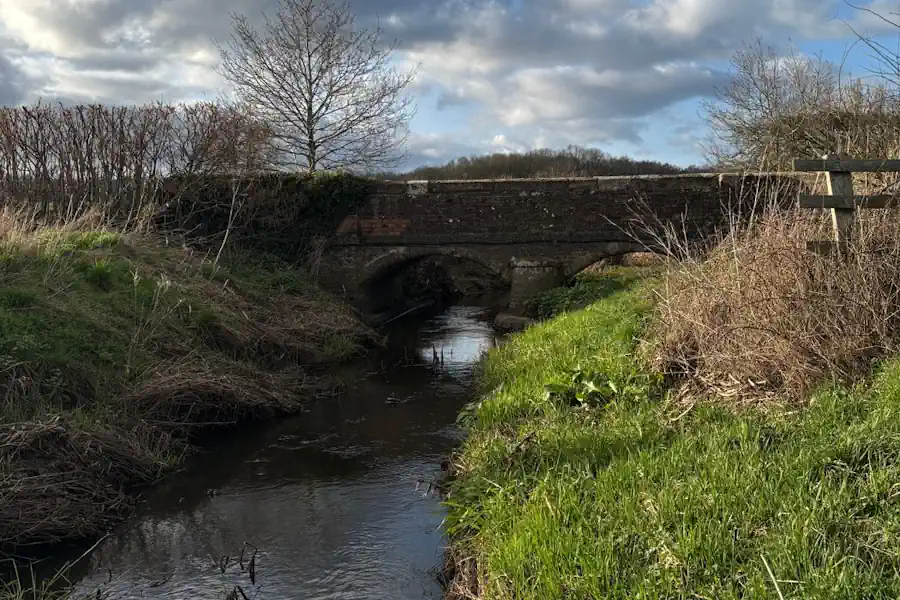
Shavington Estate
Shavington Estate
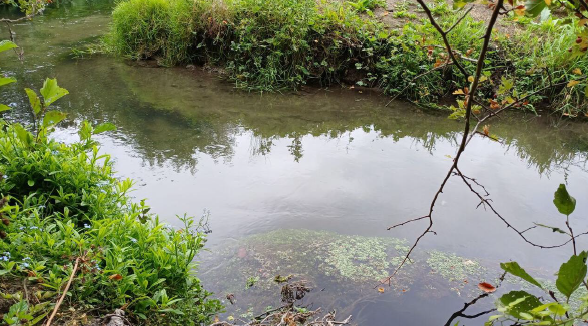
Hurst Farm
Hurst Farm
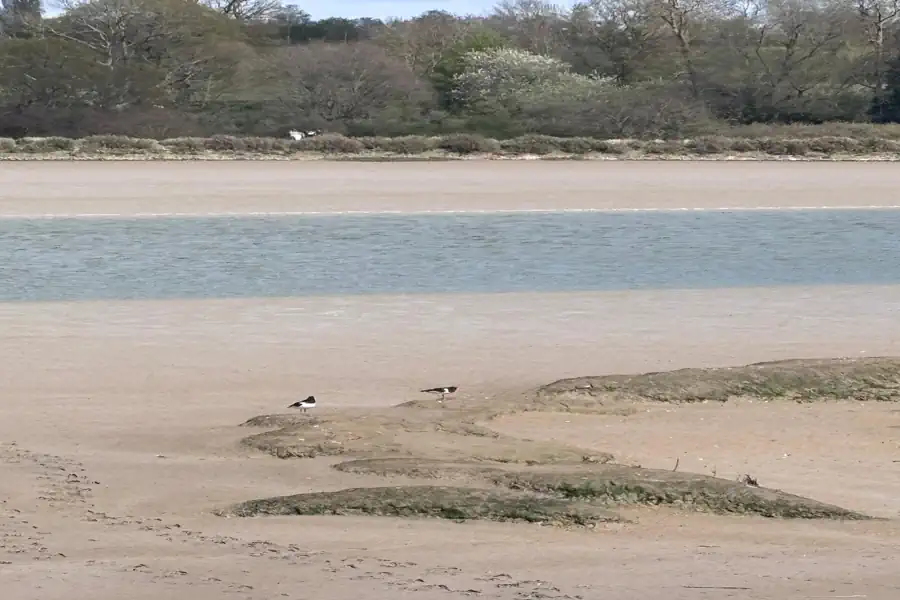
Essex BNG at Priors Farm
Essex BNG at Priors Farm

Somerset BNG Scheme
Trinity Farm & Eastcombe Fields
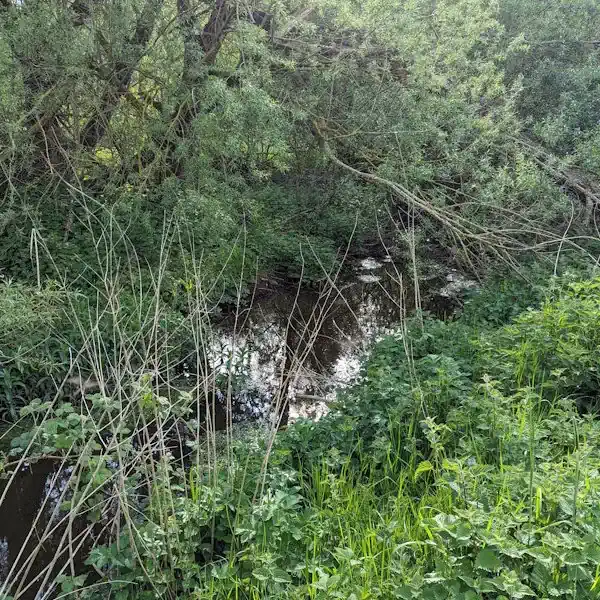
Tees Nutrient Mitigation
Tees Nutrient Mitigation Scheme
.jpg)
Wiltshire BNG at Lydeway
Land at Lydeway
.jpg)
Herefordshire BNG at Hampton Wafre
Hampton Wafre Farm
Are you looking to start a BNG scheme?
Talk to Greenshank and explore the opportunities we offer through your land.
Latest News
A step-by-step guide for landowners looking to sell their land as BNG units, and how Greenshank can help at every stage of the process.
.webp)
Find out how biodiversity net gain legislation works under the Environment Act 2021, what it requires, and which developments are exempt.
Find out how nutrient mitigation schemes work for landowners, how nutrient credits are generated, and how to combine nutrient and BNG income.