
Bassetlaw LPA BNG
Explore BNG rules, habitats, and opportunities in Bassetlaw LPA LPA. Learn how to meet biodiversity requirements in planning and development.

.avif)
Trusted by Developers and Landowners







Biodiversity Net Gain in Bassetlaw LPA Local Planning Authority
Bassetlaw is a large district in northern Nottinghamshire, covering approximately 635 square kilometres. It includes the towns of Worksop and Retford and a broad rural area made up of farmland, woodland, rivers, and former mining landscapes. The district is ecologically varied, with the River Idle and its floodplain wetlands, ancient woodlands, and the northern reaches of Sherwood Forest all contributing to a rich habitat network.
As required by the Environment Act 2021, Bassetlaw District Council mandates that most new developments deliver a minimum of 10% Biodiversity Net Gain (BNG). This uplift in biodiversity value can be achieved through on-site habitat enhancement, off-site biodiversity units, or contributions to strategic ecological networks.
Bassetlaw lies across several National Character Areas (NCAs), including Sherwood, the Humberhead Levels, and the Southern Magnesian Limestone. These shape the district’s ecological identity, featuring lowland heath, floodplain grazing marsh, wet woodland, and ancient hedgerows. Several Sites of Special Scientific Interest (SSSIs) and Local Wildlife Sites offer opportunities for landscape-scale conservation.
The district offers significant potential for BNG, particularly through river restoration, woodland creation, and farmland habitat improvement. Planning success depends on early ecological input and alignment with local green infrastructure strategies.
Our team provides BNG assessments, habitat baseline surveys, and guidance on sourcing biodiversity units in Bassetlaw.
Habitats in Bassetlaw LPA Local Planning Authority
.avif)
Bassetlaw supports a broad mix of habitats including wetlands, heathlands, woodlands, and arable landscapes.
Grassland and Farmland Habitats
Floodplain Grazing Marsh: Found along the River Idle and other low-lying river systems, supporting breeding waders and amphibians.
Improved and Neutral Grassland: Widespread in agricultural areas, offering enhancement potential through wildflower management.
Arable Land and Field Margins: Extensive and suitable for BNG through beetle banks, hedgerows, and nectar-rich planting.
Woodland and Scrub Habitats
Lowland Mixed Deciduous Woodland: Includes ancient woodland sites in Sherwood Forest and river valleys.
Oak-Birch Woodland and Heath Scrub: Typical of the Sherwood landscape, important for specialist species.
Secondary Woodland on Post-Industrial Sites: Developing valuable ecological niches.
Wetland and Watercourse Habitats
Rivers and Streams: Including the River Idle and Chesterfield Canal, supporting otters, kingfishers, and aquatic invertebrates.
Ponds and Wetlands: Found throughout the district, especially in restored quarry and colliery land.
Wet Woodland: Occurs in floodplains and alongside rivers.
Hedgerows and Linear Features
Species-Rich Hedgerows: Widely present in rural areas, supporting nesting birds, bats, and pollinators.
Green Corridors: Former railway lines and canal towpaths enhance ecological connectivity.
Bassetlaw LPA BNG Planning
High distinctiveness habitats—such as floodplain grazing marsh, ancient woodland, and river systems—should be prioritised for protection and enhancement in BNG delivery. These habitats deliver significant biodiversity uplift but often come with stricter planning controls.
Lower distinctiveness habitats like arable land and improved grassland offer flexible options for on-site BNG through habitat diversification, hedgerow planting, and pond creation.

Worksop
Retford
Get notified of a scheme
We do not currently have any schemes covering this LPA.
Get notified when a scheme is available in this area.
Discover Schemes in
Bassetlaw LPA
LPA
Restoring ecosystems and creating sustainable habitats
through BNG and nutrient mitigation.
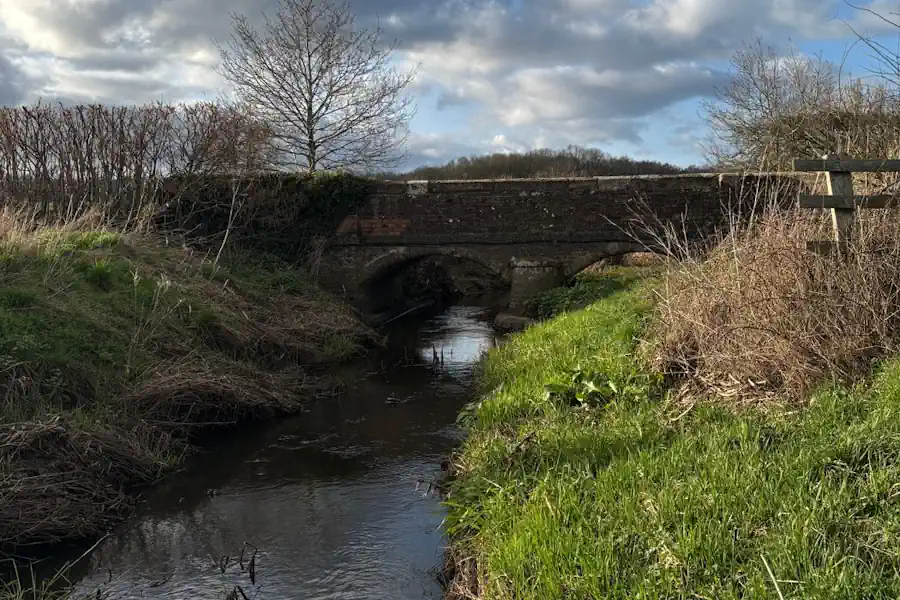
Shavington Estate
Shavington Estate
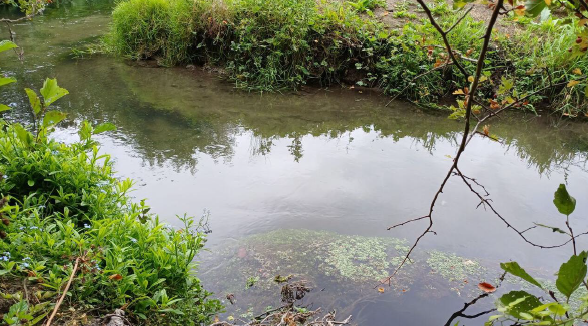
Hurst Farm
Hurst Farm
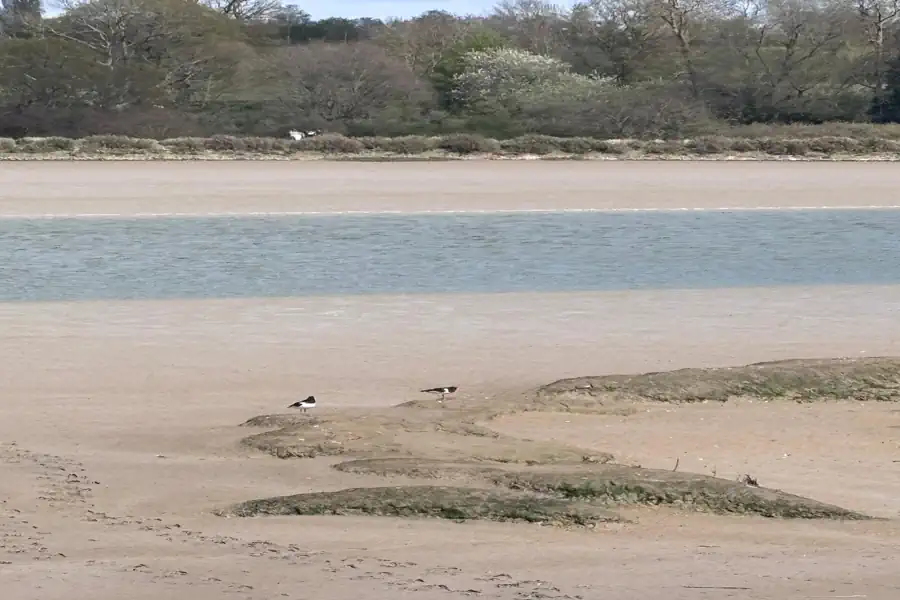
Essex BNG at Priors Farm
Essex BNG at Priors Farm

Somerset BNG Scheme
Trinity Farm & Eastcombe Fields
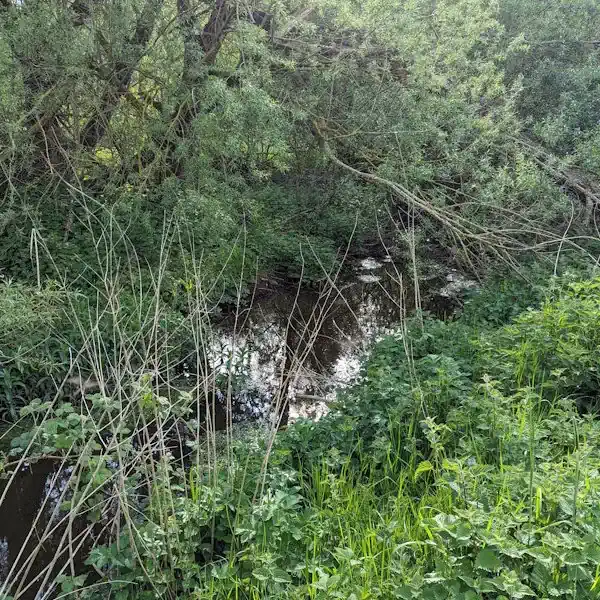
Tees Nutrient Mitigation
Tees Nutrient Mitigation Scheme
.jpg)
Wiltshire BNG at Lydeway
Land at Lydeway
.jpg)
Herefordshire BNG at Hampton Wafre
Hampton Wafre Farm
Are you looking to start a BNG scheme?
Talk to Greenshank and explore the opportunities we offer through your land.
Latest News
A step-by-step guide for landowners looking to sell their land as BNG units, and how Greenshank can help at every stage of the process.
.webp)
Find out how biodiversity net gain legislation works under the Environment Act 2021, what it requires, and which developments are exempt.
Find out how nutrient mitigation schemes work for landowners, how nutrient credits are generated, and how to combine nutrient and BNG income.