
Ashfield LPA BNG
Explore BNG rules, habitats, and opportunities in Ashfield LPA LPA. Learn how to meet biodiversity requirements in planning and development.

.avif)
Trusted by Developers and Landowners







Biodiversity Net Gain in Ashfield LPA Local Planning Authority
Ashfield, located in western Nottinghamshire, covers approximately 110 square kilometres and includes the towns of Sutton-in-Ashfield, Kirkby-in-Ashfield, and Hucknall. The district has a legacy of coal mining and industry but now features a mix of urban areas, reclaimed green spaces, woodlands, and farmland.
Under the Environment Act 2021, Ashfield District Council requires most development proposals to achieve a minimum of 10% Biodiversity Net Gain (BNG). This gain can be delivered through on-site habitat creation or enhancement, the purchase of off-site biodiversity units, or investment in local ecological networks.
Ashfield lies primarily within Sherwood National Character Area, which is defined by its sandy soils, heathlands, and remnants of ancient oak-birch woodland. Although much of the historic heathland has been lost, the district still holds ecologically valuable sites such as nature reserves, community woodlands, and former colliery land undergoing natural regeneration.
BNG in Ashfield offers strong opportunities to integrate biodiversity into urban edge developments, reconnect fragmented woodland and grassland habitats, and enhance green infrastructure networks established on post-industrial land.
We offer BNG metric assessments, baseline habitat surveys, and advice on habitat enhancement strategies throughout Ashfield District.
Habitats in Ashfield LPA Local Planning Authority
.avif)
Ashfield supports a range of habitats shaped by woodland legacy, urbanisation, and post-industrial recovery.
Grassland and Farmland Habitats
Neutral and Acid Grassland: Often found on restored colliery land and parklands, supporting wildflowers and invertebrates.
Improved Grassland: Common in public open spaces and agricultural fringes, suitable for biodiversity enhancement.
Arable Land and Field Margins: Present on the district's fringes, with potential for BNG through buffer strips and hedgerow planting.
Woodland and Scrub Habitats
Lowland Mixed Deciduous Woodland: Found in urban fringes and regeneration sites, supporting bats, birds, and insects.
Oak-Birch Woodland and Scrub: Associated with the Sherwood landscape, providing habitat for specialist woodland species.
Wetland and Watercourse Habitats
Ponds and Seasonal Wetlands: Often formed in former mining areas, offering habitat for amphibians, dragonflies, and birds.
Streams and Ditches: Limited but ecologically important linear features through both rural and urban areas.
Hedgerows and Linear Features
Species-Rich Hedgerows: Support nesting birds and act as wildlife corridors in peri-urban landscapes.
Former Railway Lines and Greenways: Serve as ecological corridors, especially when managed for wildlife.
Ashfield LPA BNG Planning
High distinctiveness habitats—such as oak-birch woodlands, neutral grassland, and species-rich hedgerows—are key assets in Ashfield and should be retained and enhanced where possible. These areas offer strong potential for biodiversity uplift.
Lower distinctiveness habitats like improved grassland and arable land present flexible options for on-site BNG delivery when upgraded with native planting, wildflower areas, or wetland features.

Sutton-in-Ashfield
Kirkby-in-Ashfield
Hucknall
Get notified of a scheme
We do not currently have any schemes covering this LPA.
Get notified when a scheme is available in this area.
Discover Schemes in
Ashfield LPA
LPA
Restoring ecosystems and creating sustainable habitats
through BNG and nutrient mitigation.
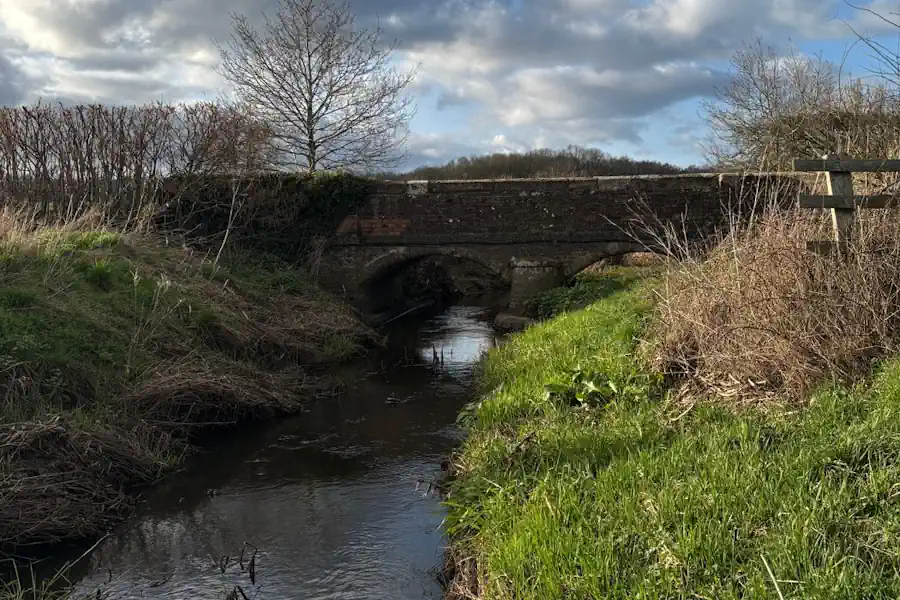
Shavington Estate
Shavington Estate
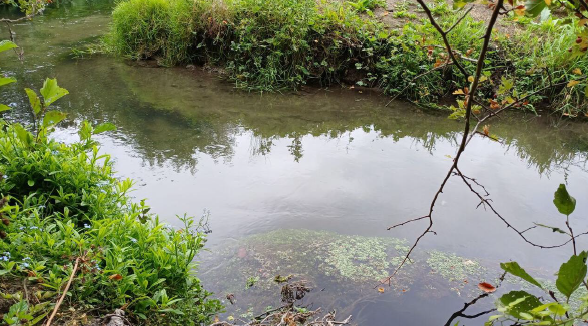
Hurst Farm
Hurst Farm
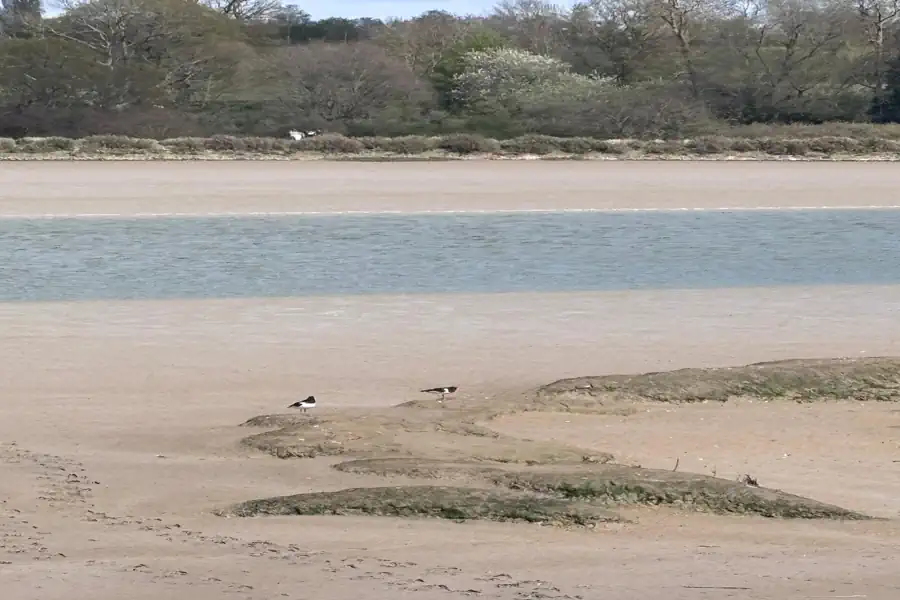
Essex BNG at Priors Farm
Essex BNG at Priors Farm

Somerset BNG Scheme
Trinity Farm & Eastcombe Fields
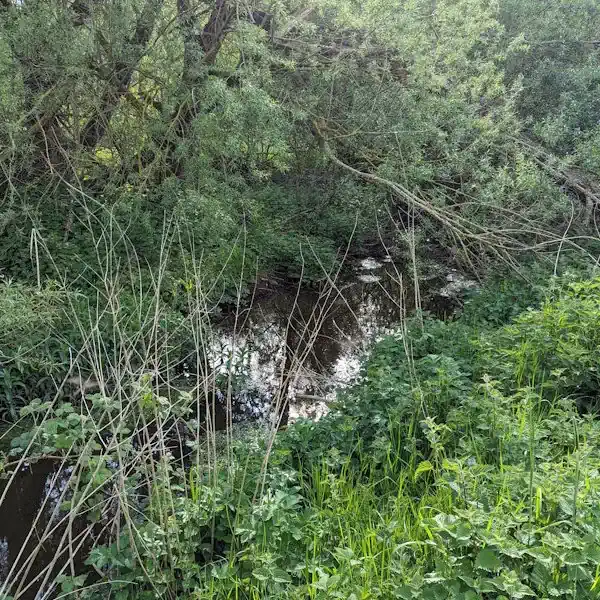
Tees Nutrient Mitigation
Tees Nutrient Mitigation Scheme
.jpg)
Wiltshire BNG at Lydeway
Land at Lydeway
.jpg)
Herefordshire BNG at Hampton Wafre
Hampton Wafre Farm
Are you looking to start a BNG scheme?
Talk to Greenshank and explore the opportunities we offer through your land.
Latest News
A step-by-step guide for landowners looking to sell their land as BNG units, and how Greenshank can help at every stage of the process.
.webp)
Find out how biodiversity net gain legislation works under the Environment Act 2021, what it requires, and which developments are exempt.
Find out how nutrient mitigation schemes work for landowners, how nutrient credits are generated, and how to combine nutrient and BNG income.