
Ponds (Priority Habitat) BNG Units
High
Lakes
Widespread across England where qualifying criteria are met

Trusted by Developers and Landowners







What are Ponds (Priority Habitat)?
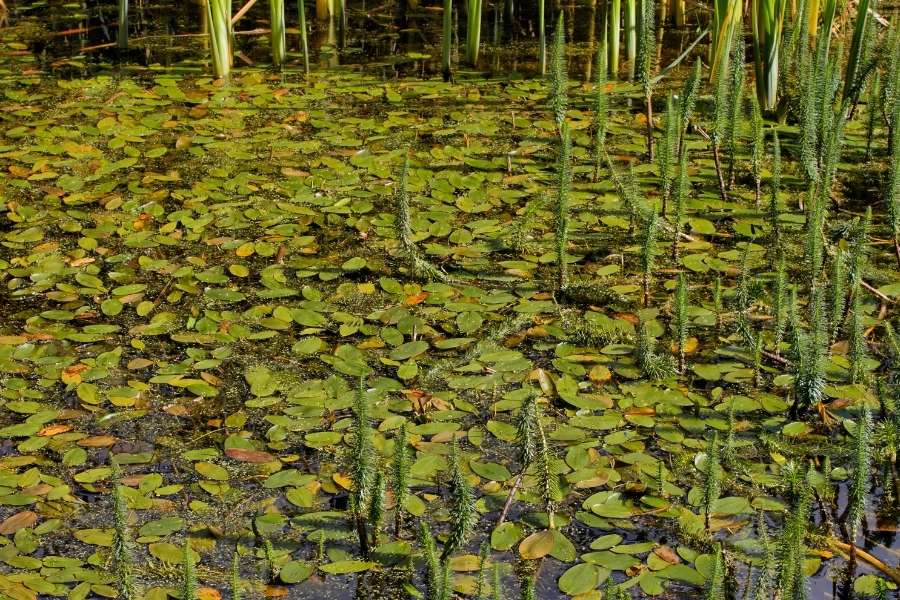
Priority ponds are small standing waterbodies, generally up to two hectares in size. They include ponds that support important species, exceptional plant or invertebrate assemblages, or high-quality pond types, as well as ponds with particular landscape or geomorphological significance.
What distinguishes a priority pond is not age or appearance, but ecological function. A pond may qualify because it supports rare or declining species, contains an unusually rich aquatic plant community, maintains high water quality, or forms part of an important pond network within the landscape. Some priority ponds are ancient features, while others are relatively recent ponds that have developed high ecological value through appropriate design and management.
Why It Matters for BNG
Priority ponds deliver high distinctiveness habitat units and are subject to strict trading rules. Loss typically requires like for like replacement or better, making avoidance and retention a key consideration in site design. Where creation or enhancement is secured, priority ponds can deliver substantial biodiversity units within a relatively small area.
Learn more about BNG for landowners →

Where Are They Found?
Priority ponds occur across England in both rural and urban landscapes. They are found on farmland, commons, floodplains, former mineral sites, brownfield land and within larger wetland complexes. Some are ancient features, while others are more recent ponds that have developed high ecological quality through suitable design and management.
Soil & Site Requirements
Priority ponds form in a variety of soil types depending on landscape context, including clay, silt, sand, peat and marl. Maintaining natural hydrology, good water quality and soft, varied margins is essential. Avoid drainage, excessive shading or artificial lining that would reduce ecological function.
How New Ponds (Priority Habitat) Is Created
Inputs
• Create standing water bodies up to two hectares with natural profiles
• Design soft, gently sloping banks and shallow drawdown zones
• Allow natural colonisation or introduce native aquatic and marginal plants
• Protect water quality by avoiding nutrient inputs and pollution
Management
• Maintain natural water level fluctuations
• Prevent excessive shading from surrounding trees
• Control invasive non-native species
• Avoid intensive stocking, lining or hard engineering
Landscape
• Position ponds within wider wetland or freshwater networks
• Create clusters or networks of ponds where possible
• Integrate ponds with grassland, scrub or wetland habitats

How Existing Ponds (Priority Habitat) Is Improved
Inputs
• Remove hard engineered edges where feasible
• Improve marginal and aquatic planting using native species
• Reduce excessive shading from trees or scrub
• Address sources of nutrient enrichment or pollution
Management
• Maintain good water quality through runoff control
• Avoid artificial fish stocking
• Control invasive non-native species
• Retain natural water level fluctuations
Landscape
• Link ponds to ditches, scrapes and wet grassland
• Improve connectivity within wider wetland networks
• Manage ponds as part of a catchment scale approach
Target Condition
Priority ponds in their defined BNG condition should:
• Retain a natural or near-natural shoreline with gently sloping, unengineered margins
• Support a diverse mix of submerged, floating, emergent and marginal vegetation
• Maintain good water quality, with no evidence of gross pollution or persistent algal blooms
• Avoid artificial lining, excessive hard engineering or formal landscaping
• Have low cover of invasive non-native species
• Allow natural water level variation, including drawdown zones where appropriate
• Be managed without artificial fish stocking or with only low-density native fish

The BNG Value of Ponds (Priority Habitat)
• Distinctiveness: High
• Condition Potential: Can be uplifted from poor to good through water quality improvement and habitat management
• Restoration Pathway: Recognised outcome where ponds meet UK priority habitat criteria
• Strategic Value: Delivers high value biodiversity units within small areas and supports wider wetland networks
Species Typical of Ponds (Priority Habitat)
Aquatic and open-water species
• Water violet (Hottonia palustris)
• Frogbit (Hydrocharis morsus-ranae)
• Broad-leaved pondweed and other Potamogeton
• Water starworts
Emergent / marginal vegetation
• Common reed (Phragmites australis)
• Reedmace
• Bulrushes
• Sedges
• Marsh marigold (Caltha palustris)
Bankside and associated wetland flora
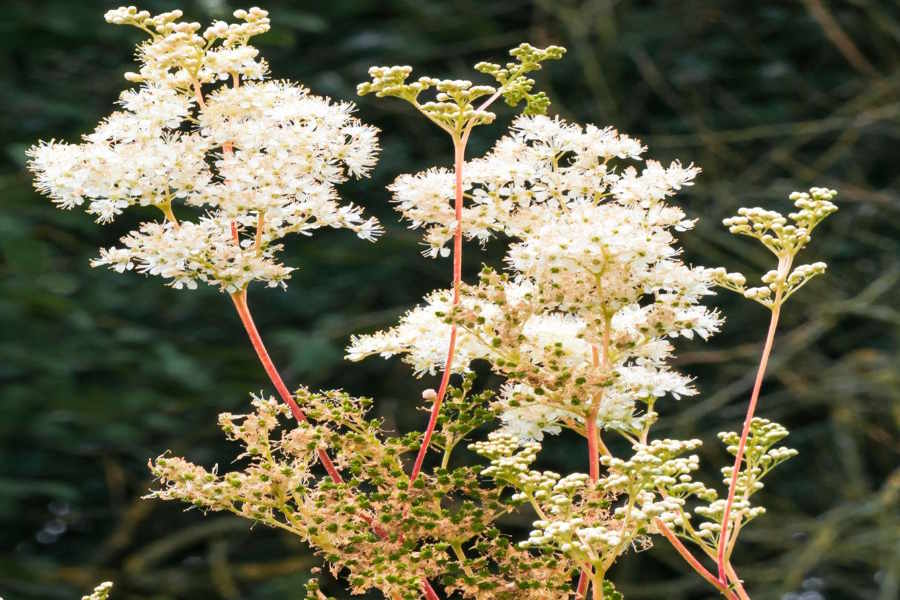
• Meadowsweet (Filipendula ulmaria)
• Water mint
• Purple loosestrife
Frequently Asked Questions
What is Ponds (Priority Habitat)?
Ponds (Priority Habitat) are small standing waterbodies, usually up to two hectares, that meet UK priority habitat criteria due to high ecological quality, important species, or exceptional plant or invertebrate assemblages.
How is BNG measured here?
BNG is measured by pond area, high distinctiveness and condition score, using the Lakes condition assessment within the Statutory Biodiversity Metric.
How can I achieve BNG?
Through retention, creation or enhancement of ponds that meet priority habitat criteria, focusing on water quality, natural margins and diverse aquatic vegetation.
What is the BNG target condition?
Good condition, with natural shorelines, diverse aquatic and marginal plants, clean water and low levels of artificial modification.
What management is required?
Priority ponds require low-intensity, sensitive management focused on maintaining clean water, natural margins and varied aquatic vegetation. Controlling invasive species, preventing nutrient enrichment or pollution, avoiding artificial stocking or engineering, and allowing natural water-level fluctuations.
Exploring Other Habitats?
-.webp)
Arable field margins pollen and nectar are grass margins around arable fields sown with wildflowers and legumes managed specifically to provide pollen and nectar resources for invertebrates. The mix must include at least four nectar-rich flowering species and the margin is kept low-input and rotationally cut to maintain flowering through the season. The arable field must remain in a crop rotation including an arable crop.
Unlike wild bird seed margins, the management objective here is flowering continuity for pollinators rather than seed retention for birds. This habitat type sits within the Cropland broad habitat in the BNG metric and is classified separately from tussocky margins, cultivated margins and game bird mix.
Arable field margins game bird mix are margins, strips, blocks or corners around arable fields sown with wild bird cover crops and left unharvested over winter so that seed produced by the plants remains available to farmland wildlife. The arable field must be in a crop rotation that includes an arable crop, such as wheat, barley, maize or oats, even if in certain years the field is in temporary grass, set-aside or fallow.
Mixes typically combine seed-bearing cereals, brassicas and oil-rich crops to provide food through the winter hungry gap and standing cover for gamebirds and declining farmland bird species.
Arable field margins cultivated annually are strips along the edges of arable fields, typically 2–12 metres wide, managed under a low-input regime to support annual arable plants. They are lightly cultivated each year, usually in late summer or autumn, without herbicide or fertiliser, creating the open, disturbed soil conditions that annual arable flora requires to germinate.
Ready to buy your units?
Easily buy your BNG units online today to ensure compliance and positive environmental impact.