
Arable Field Margins Pollen and Nectar BNG Units
Medium
Cropland
Found on arable farmland across lowland England as outer margin strips or sown blocks, typically 6 m wide, on the edge of fields in crop rotation
-.webp)

Trusted by Developers and Landowners







What are Arable Field Margins Pollen and Nectar?
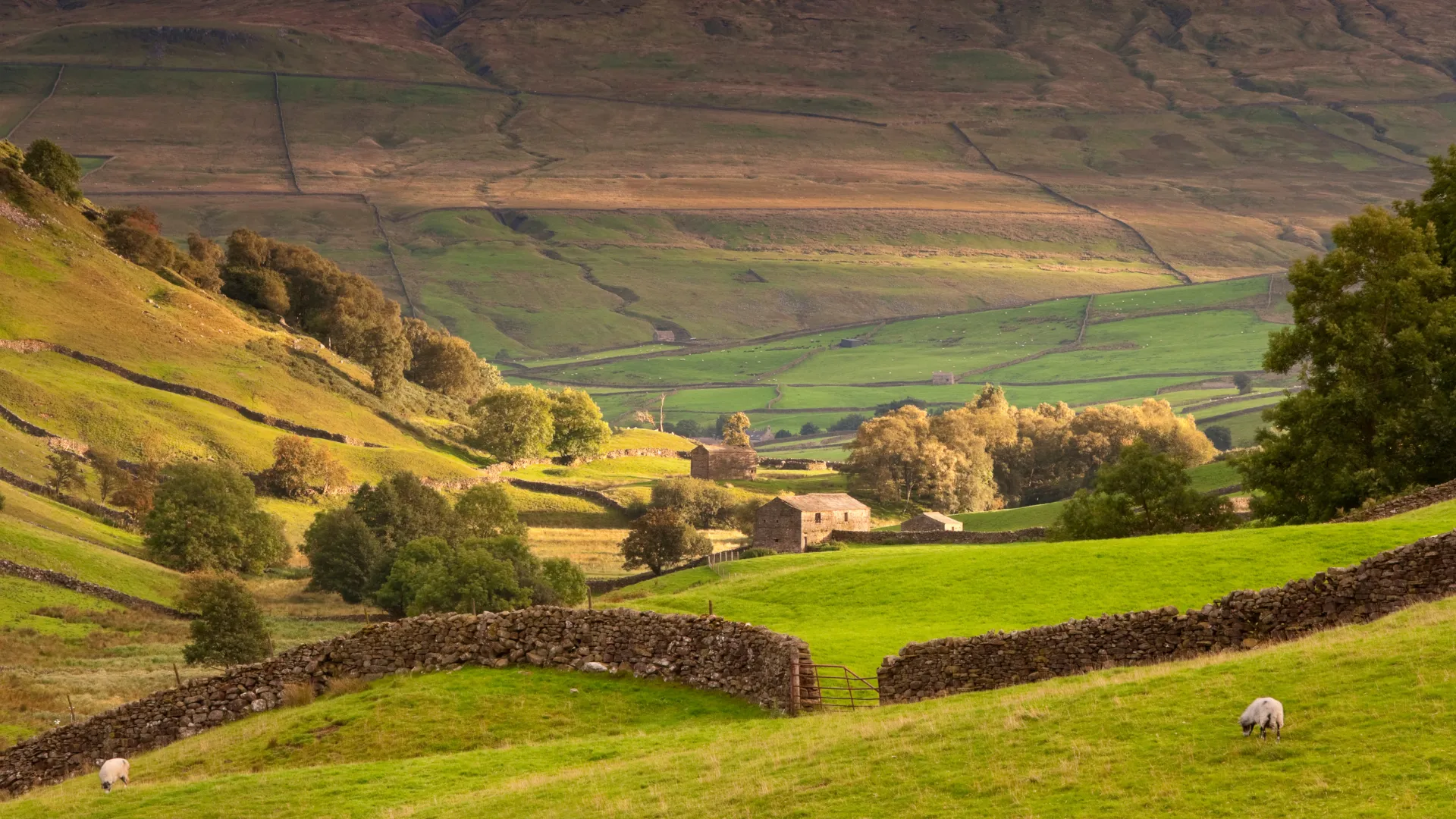
Arable field margins pollen and nectar are grass margins around arable fields sown with wildflowers and legumes managed specifically to provide pollen and nectar resources for invertebrates. The mix must include at least four nectar-rich flowering species and the margin is kept low-input and rotationally cut to maintain flowering through the season. The arable field must remain in a crop rotation including an arable crop.
Unlike wild bird seed margins, the management objective here is flowering continuity for pollinators rather than seed retention for birds. This habitat type sits within the Cropland broad habitat in the BNG metric and is classified separately from tussocky margins, cultivated margins and game bird mix.
Why It Matters for BNG
Arable field margins pollen and nectar are classified as Medium distinctiveness under the BNG metric. Where development affects arable land that includes managed margins of this type, correct identification and mapping of each parcel as a distinct habitat unit determines the baseline unit value. The habitat must be recorded separately from adjacent arable land and from other margin types. Condition is assessed under the metric, and unit value depends on flowering cover, sward structure, and management compliance being maintained across the 30-year period.
Where You'll Find It
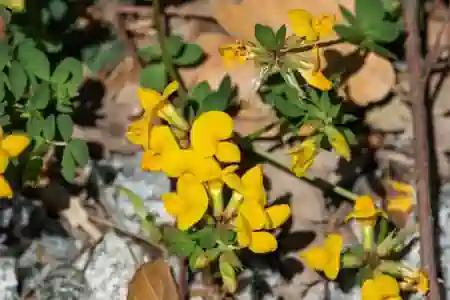
Arable field margins pollen and nectar occur on the outer 2–12 m of arable fields, or as sown blocks extending further into the field centre. They are positioned in full sun on well-drained soils, as shaded or waterlogged positions limit flowering performance. Margins work best in combination with sensitively managed hedgerows that provide early-season pollen and nectar from hawthorn and blackthorn before the sown mix reaches peak flowering. Avoid establishing this margin type adjacent to existing flower-rich grassland, where locally-harvested wildflower seed and grassland creation would be the more appropriate intervention.
Soil Preferences
Suited to free-draining soils of low to moderate fertility. High nutrient soils favour competitive grasses over forbs and legumes, reducing flowering cover and pollinator value. Fertiliser must be avoided throughout the management period. Legume components including red clover and alsike clover are particularly susceptible to decline on fertile soils after year three if clover proportion in the mix exceeds 20%.
How New Arable Field Margins Pollen and Nectar Are Created
Inputs
• Prepare a clean, fine and firm seedbed; a contact non-residual herbicide may be used prior to establishment to reduce weed competition
• Sow in spring (March to May) or autumn (August to September) by broadcasting and rolling
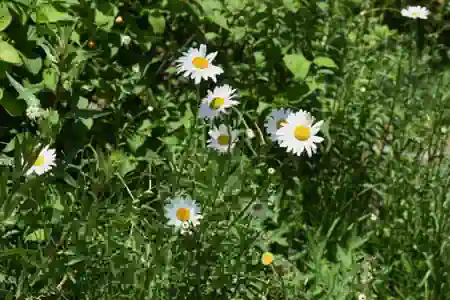
• Mix must include at least four nectar-rich flowering species; SFI rules require at least six, including two from common knapweed, musk mallow, oxeye daisy, wild carrot and yarrow
• Include legumes — red clover, alsike clover, bird's-foot trefoil and sainfoin — alongside native wildflowers; keep total clover content below 20% of the mix to support longevity beyond year three
• Establish strips of at least 6 m width; plots of 0.5–2 ha provide the most reliable pollinator resource
Management
• Cut rotationally so some area is in flower at all times; cutting half the margin in late spring or early summer and the full strip in autumn maintains both flowering continuity and structure
• Remove arisings after cutting to prevent nutrient build-up and rank grass dominance
• Control hard-to-manage weeds — bristly oxtongue, common ragwort, docks, nettles and thistles — locally as required
• Avoid fertiliser and pesticide inputs throughout the management period
Landscape
• Establish a network of plots distributed across the farm so pollinators can move between resources
• Position margins to complement hedgerow flowering, extending the pollen and nectar season from early spring through to late autumn
• Connect margin network with any adjacent semi-natural grassland, woodland edge or wetland to maximise landscape-scale pollinator movement
How Existing Arable Field Margins Pollen and Nectar Are Improved
Inputs
• Rejuvenate or re-establish the mix where flowering cover has declined, particularly where perennial grasses have invaded and closed the sward
• Introduce species with different flowering times to extend the seasonal resource
• Add species with varied flower structure to support both long-tongued bumblebees, which require knapweed and clover, and short-tongued insects, which use smaller flowers such as wild carrot and yarrow
Management
• Adjust cutting regime where under-cutting has allowed rank grass or over-dominant legumes to suppress forb diversity
• Monitor flowering cover as the primary condition indicator, margins where positive flowering species fall below target cover require management intervention before condition score declines
• Record management actions and flowering cover at fixed monitoring points at years 2, 3, 4, 5, 10, 15, 20, 25 and 30 for habitat bank reporting
Landscape
• Extend margin length or add new plots where gaps in the farm-scale pollinator network limit insect movement between resources
• Retain structural variation by avoiding uniform cutting across all strips in the same season
Target Condition
Arable field margins pollen and nectar in good condition carry a visible flowering component through the season from late spring to autumn, with at least four to six nectar-rich species present and flowering cover not dominated by rank grass or a single legume. The sward is low-input, free of fertiliser and routine pesticide use, and rotationally managed to maintain seasonal continuity of bloom. Legume content remains below levels that suppress forb diversity. The margin exists within a field in arable crop rotation and is mapped as a discrete parcel distinct from adjacent arable land and other margin types. Condition is assessed under the BNG metric; flowering cover, sward structure, species composition and management compliance all contribute to the condition outcome.

The BNG Value of Arable Field Margins Pollen and Nectar
• Distinctiveness: Medium
• Condition Potential: Condition-assessed under the BNG metric; unit value depends on flowering cover, sward structure, absence of nutrient enrichment, and management compliance across 30 years
• Pollinator Resource: Margins sown with pollen and nectar mixes record 43 bumblebees per transect against 0.2 per transect on control cropped margins; long-tongued bumblebee abundance is positively correlated with the density of pollen and nectar agreements across 10 km squares
• Metric Classification: Cropland broad habitat type; classified separately from cultivated low-input margins, tussocky margins and game bird mix
Species Typical of Arable Field Margins Pollen and Nectar
Grasses (Sown Base)
• Sweet vernal grass
• Red fescue
• Crested dog's-tail
• Smooth meadow grass
Legumes
• Red clover
• Alsike clover (Trifolium hybridum)
• Bird's-foot trefoil
• Sainfoin
Wildflowers
• Common knapweed
• Oxeye daisy
• Musk mallow
• Wild carrot
• Yarrow
• Red campion
Invertebrates Associated with This Margin Type
• Common carder bee and garden bumblebee
• Hoverflies
• Butterflies and moths
.jpg)
.avif)
Frequently Asked Questions
What are Arable Field Margins Pollen and Nectar?
Grass margins around arable fields sown with wildflowers and legumes and managed to provide pollen and nectar for invertebrates. The field must remain in a crop rotation including an arable crop. The margin is kept low-input and rotationally cut to maintain flowering through the season from late spring to autumn.
How is BNG measured here?
This habitat is classified as Cropland with Medium distinctiveness. A condition assessment applies under the BNG metric. Flowering cover, sward structure, species composition and management compliance all contribute to the condition outcome and determine unit value.
How can I achieve BNG?
Establish a sown wildflower and legume margin of at least 6 m width on a weed-free seedbed. Include at least four to six nectar-rich species covering early, mid and late-season flowering. Avoid fertiliser and pesticide use and manage rotationally to maintain flowering continuity across the 30-year period.
What is the BNG target condition?
A visible flowering component through the season with at least four to six nectar-rich species present, sward free of fertiliser and rank grass dominance, and rotationally managed to maintain seasonal bloom continuity. Legume content should not exceed 20% of the mix to protect forb diversity beyond year three.
What management is required?
Rotational cutting with arisings removed. Weed control for ragwort, docks, nettles and thistles as needed. No fertiliser or routine pesticide use. Monitoring of flowering cover and sward structure at fixed points with records retained for habitat bank reporting.
Exploring Other Habitats?
Arable field margins pollen and nectar are grass margins around arable fields sown with wildflowers and legumes managed specifically to provide pollen and nectar resources for invertebrates. The mix must include at least four nectar-rich flowering species and the margin is kept low-input and rotationally cut to maintain flowering through the season. The arable field must remain in a crop rotation including an arable crop.
Unlike wild bird seed margins, the management objective here is flowering continuity for pollinators rather than seed retention for birds. This habitat type sits within the Cropland broad habitat in the BNG metric and is classified separately from tussocky margins, cultivated margins and game bird mix.

Arable field margins game bird mix are margins, strips, blocks or corners around arable fields sown with wild bird cover crops and left unharvested over winter so that seed produced by the plants remains available to farmland wildlife. The arable field must be in a crop rotation that includes an arable crop, such as wheat, barley, maize or oats, even if in certain years the field is in temporary grass, set-aside or fallow.
Mixes typically combine seed-bearing cereals, brassicas and oil-rich crops to provide food through the winter hungry gap and standing cover for gamebirds and declining farmland bird species.
Arable field margins cultivated annually are strips along the edges of arable fields, typically 2–12 metres wide, managed under a low-input regime to support annual arable plants. They are lightly cultivated each year, usually in late summer or autumn, without herbicide or fertiliser, creating the open, disturbed soil conditions that annual arable flora requires to germinate.
Ready to buy your units?
Easily buy your BNG units online today to ensure compliance and positive environmental impact.