
Arable Field Margins Game Bird Mix BNG Units
Medium
Cropland
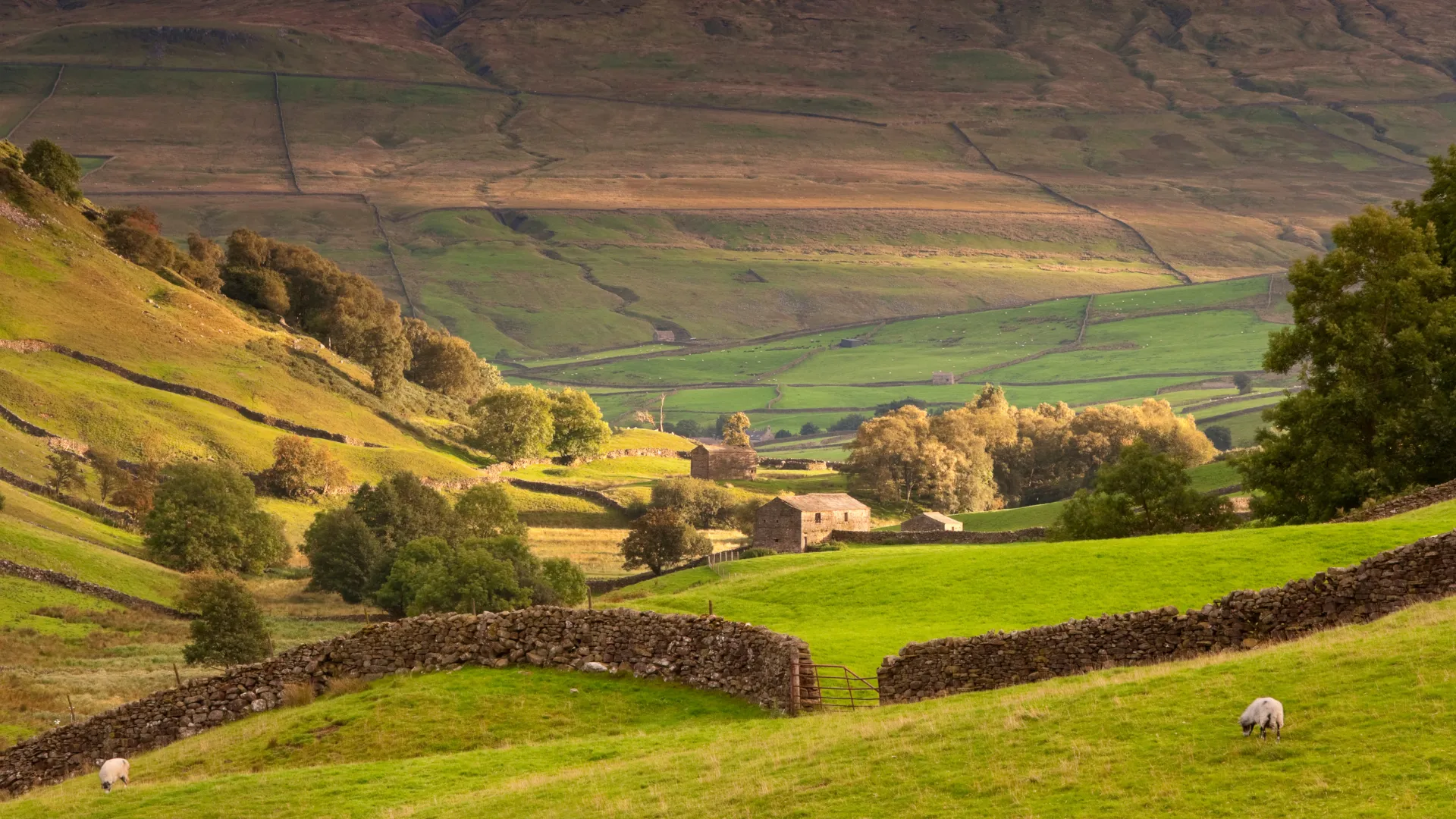
Found on arable farmland across lowland England, typically as outer margin strips of 2–12 m around arable fields in crop rotation, or as sown blocks within or adjacent to arable land


Trusted by Developers and Landowners







What are Arable Field Margins Game Bird Mix?
Arable field margins game bird mix are margins, strips, blocks or corners around arable fields sown with wild bird cover crops and left unharvested over winter so that seed produced by the plants remains available to farmland wildlife. The arable field must be in a crop rotation that includes an arable crop, such as wheat, barley, maize or oats, even if in certain years the field is in temporary grass, set-aside or fallow.
Mixes typically combine seed-bearing cereals, brassicas and oil-rich crops to provide food through the winter hungry gap and standing cover for gamebirds and declining farmland bird species.
Why It Matters for BNG
Arable field margins game bird mix are classified as Medium distinctiveness under the BNG metric. Where development affects arable land that includes managed margins of this type, correct identification and mapping determines the baseline unit value. The habitat must be recorded as a distinct parcel separate from the surrounding arable field.
Where You'll Find It
Arable field margins game bird mix occur at the outer edges of arable fields, typically in strips of 2–12 m width, or as larger blocks sown within the field. They are found on arable farmland in crop rotation across lowland England, most commonly positioned adjacent to hedgerows, where proximity to woody cover increases use by farmland birds. Margins sited on cool, north-facing or heavily shaded ground are unsuitable, as most seed mix components will not germinate reliably. Locations with perennial or arable grass weed problems also limit establishment.
Soil Preferences
No specific soil type requirement. Margins occur on whatever substrate underlies the adjacent arable field. Nitrogen fertiliser may be required at establishment to support the seed yield of mix components, but routine fertiliser inputs are not part of long-term management for this habitat type.
How New Arable Field Margins Game Bird Mix Are Created
Inputs
• Sow in strips or blocks on arable field margins using a seed mix containing a combination of seed-bearing cereals, brassicas and oil-rich crops
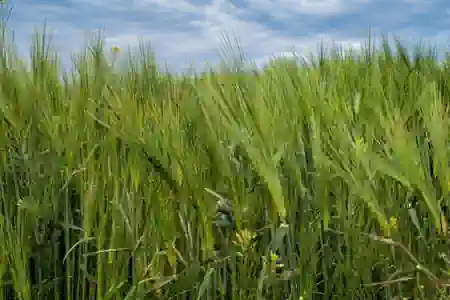
• Core components include triticale or spring barley as the cereal base, kale as the biennial cover element, and quinoa or linseed as the oil-rich seed component
• Establish in April or May for optimum germination; autumn sowing is possible but produces seed only in alternate years for annual mixes
• Leave unharvested so seed remains available to farmland birds from October through to spring
Management
• Retain standing structure over winter to provide both seed food and physical cover for gamebirds and declining passerines
• For biennial mixes including kale, establish blocks in alternate years to ensure a mix of first- and second-year structure is present each winter
• Avoid cultivation timing that destroys seed before it is accessible to birds through the hungry gap
• Site margins adjacent to thick hedgerows wherever possible to maximise bird use
Landscape
• Position margins at field edges rather than in field centres where possible, as wild bird cover located close to hedges records significantly higher farmland bird use
• Distinguish margin extent clearly from cultivated low-input margins and tussocky margins, which are classified separately in the metric
• Connect margin networks across holdings to extend food and cover resources through the winter period
How Existing Arable Field Margins Game Bird Mix Are Improved
Inputs
• Replace single-species or cereal-only mixes with multi-component mixes including both a cereal and an oil-rich crop such as kale, linseed or quinoa, which benefit the widest range of species
• Introduce a biennial element such as kale to provide two-season cover where currently absent
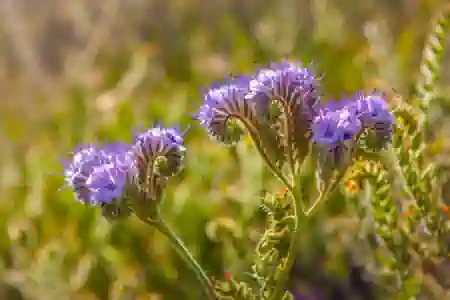
• Add a flowering component such as phacelia or sunflower to extend insect resource through summer, supporting partridge brood-rearing
Management
• Monitor seed availability through winter and adjust mix composition where early depletion is recorded
• Establish blocks in alternate years where biennial crops are used, to ensure first- and second-year structure is available simultaneously
• Control pernicious grass weeds during establishment, as competition from blackgrass, sterile brome or creeping thistle limits mix establishment and reduces seed yield
• Pair margin monitoring with farmland bird transect counts to assess use by target species including grey partridge, yellowhammer, linnet and reed bunting
Landscape
• Expand margin network across the holding to maximise the proportion of arable land within foraging range of cover
• Improve physical connectivity between game bird mix margins and adjacent hedgerows, beetle banks or tussocky grass strips
• Retain a mosaic of annual and biennial mix types where space allows, as mixed crop types provide the greatest diversity of sub-habitat structure
Target Condition
Arable field margins game bird mix in good condition are sown with a multi-component mix including at least a cereal and an oil-rich crop, left unharvested over winter, and retained in a field in crop rotation including an arable crop. Standing structure is present through the hungry gap from October to spring. The margin is not subject to routine fertiliser or pesticide inputs beyond establishment requirements, and its mapped extent reflects only the area under active wildlife management. No condition assessment is required for this habitat type under the BNG metric; correct habitat identification and accurate mapping of the managed extent are the key tasks for the calculation.
The BNG Value of Arable Field Margins Game Bird Mix
• Distinctiveness: Medium
• Condition Potential: No condition assessment applies under the BNG metric; unit value is driven by correct habitat identification and mapped extent
• Farmland Bird Resource: Wild bird cover records up to 80 times more birds than conventional crops; bird density is significantly higher from late summer through winter, with the greatest differences occurring from December to February
• Metric Classification: Treated as a managed agricultural margin under the Cropland broad habitat type, distinct from cultivated low-input margins, tussocky margins and conservation headlands
Species Typical of Arable Field Margins Game Bird Mix
Sown Cover Crops (Primary Layer)
• Kale (Brassica oleracea)
• Quinoa (Chenopodium quinoa)
• Triticale
• Spring barley
• Millet
• Linseed
• Phacelia
• Sunflower
Occasional or Supplementary Components
• Buckwheat
• White mustard and forage rape
• Fodder radish
Farmland Birds Associated with This Margin Type
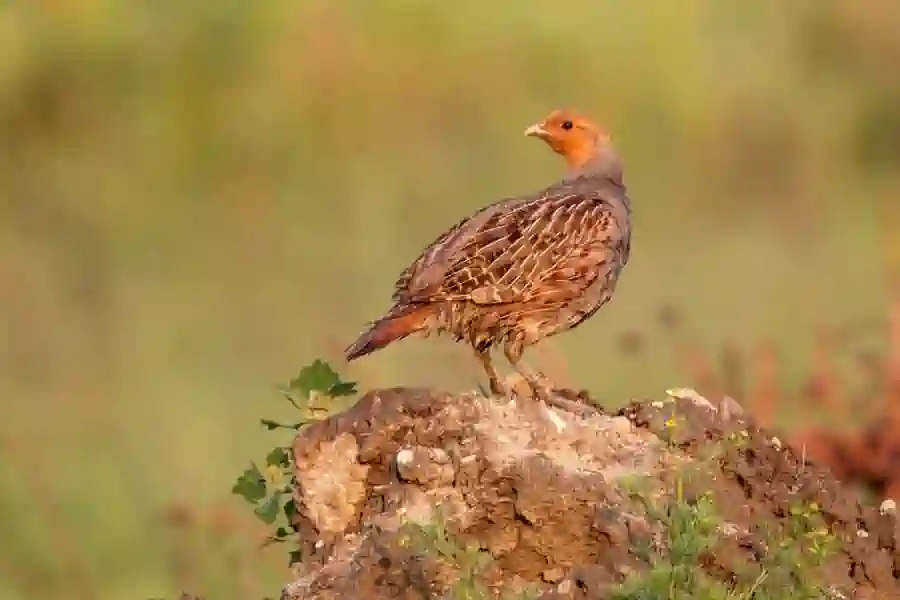
• Grey partridge
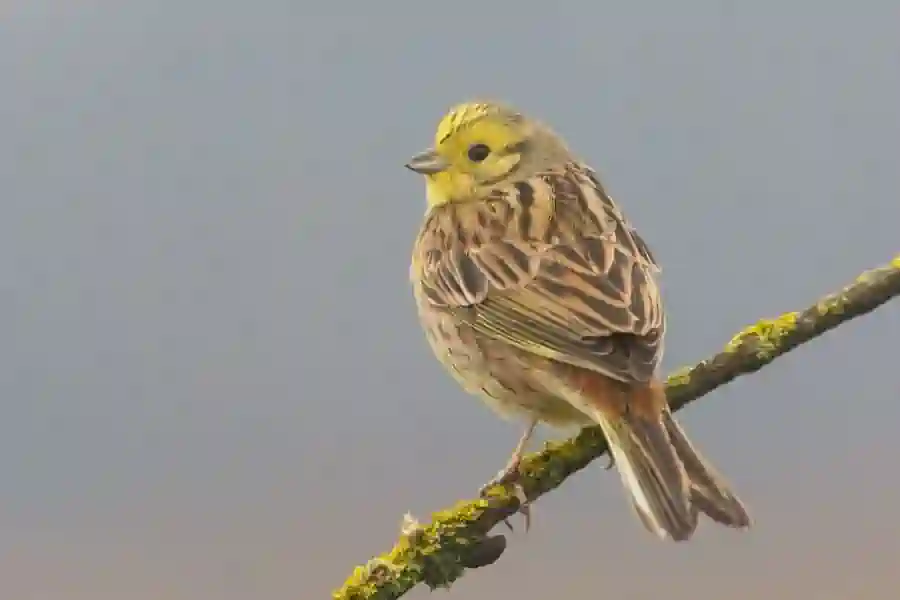
• Yellowhammer and corn bunting
• Tree sparrow, linnet and reed bunting
• Skylark and lapwing
Frequently Asked Questions
What are Arable Field Margins Game Bird Mix?
Margins, strips, blocks or corners around arable fields sown with wild bird cover crops and left unharvested over winter. The field must remain in a crop rotation including an arable crop. Mixes combine seed-bearing cereals, brassicas and oil-rich crops to provide food and cover for farmland wildlife through winter.
How is BNG measured here?
This habitat is classified as Cropland with Medium distinctiveness. No condition assessment applies under the BNG metric. Correct habitat identification and accurate mapping of the managed extent determine the unit value.
How can I achieve BNG?
Establish or retain sown wild bird cover margins around arable fields using a multi-component mix. Ensure the margin is managed specifically for wildlife and is left unharvested over winter. Map only the extent actually under wildlife management, not the whole field edge.
What is the BNG target condition?
The margin should be sown with a mix including at least a cereal and an oil-rich crop, left unharvested over winter, and retained within a field in arable crop rotation. No formal condition scoring applies in the metric, but accurate habitat typing is essential.
What management is required?
Annual or biennial sowing with a multi-component seed mix, withheld harvest, and retention of standing structure over winter. Where biennial crops are used, establish blocks in alternate years to maintain a mix of first- and second-year structure. Control pernicious grass weeds during establishment to protect mix yield and seed availability.
Exploring Other Habitats?
-.webp)
Arable field margins pollen and nectar are grass margins around arable fields sown with wildflowers and legumes managed specifically to provide pollen and nectar resources for invertebrates. The mix must include at least four nectar-rich flowering species and the margin is kept low-input and rotationally cut to maintain flowering through the season. The arable field must remain in a crop rotation including an arable crop.
Unlike wild bird seed margins, the management objective here is flowering continuity for pollinators rather than seed retention for birds. This habitat type sits within the Cropland broad habitat in the BNG metric and is classified separately from tussocky margins, cultivated margins and game bird mix.
Arable field margins game bird mix are margins, strips, blocks or corners around arable fields sown with wild bird cover crops and left unharvested over winter so that seed produced by the plants remains available to farmland wildlife. The arable field must be in a crop rotation that includes an arable crop, such as wheat, barley, maize or oats, even if in certain years the field is in temporary grass, set-aside or fallow.
Mixes typically combine seed-bearing cereals, brassicas and oil-rich crops to provide food through the winter hungry gap and standing cover for gamebirds and declining farmland bird species.
Arable field margins cultivated annually are strips along the edges of arable fields, typically 2–12 metres wide, managed under a low-input regime to support annual arable plants. They are lightly cultivated each year, usually in late summer or autumn, without herbicide or fertiliser, creating the open, disturbed soil conditions that annual arable flora requires to germinate.
Ready to buy your units?
Easily buy your BNG units online today to ensure compliance and positive environmental impact.