
What Is Nutrient Neutrality?

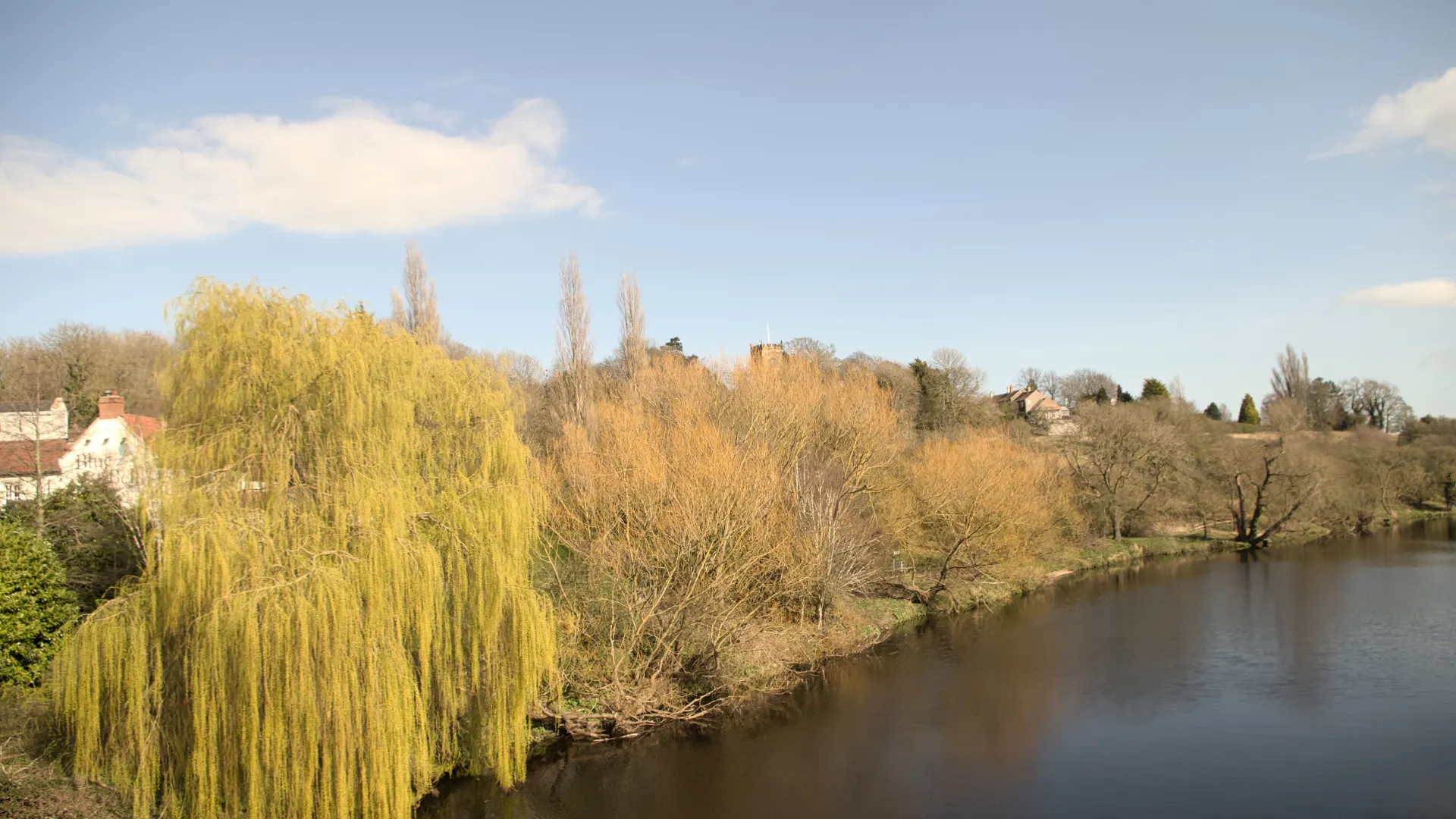
The UK is among the most nature-depleted nations on the planet, according to the 2023 State of Nature report.1 That damning assessment covers all kinds of ecosystems, including freshwater habitats.
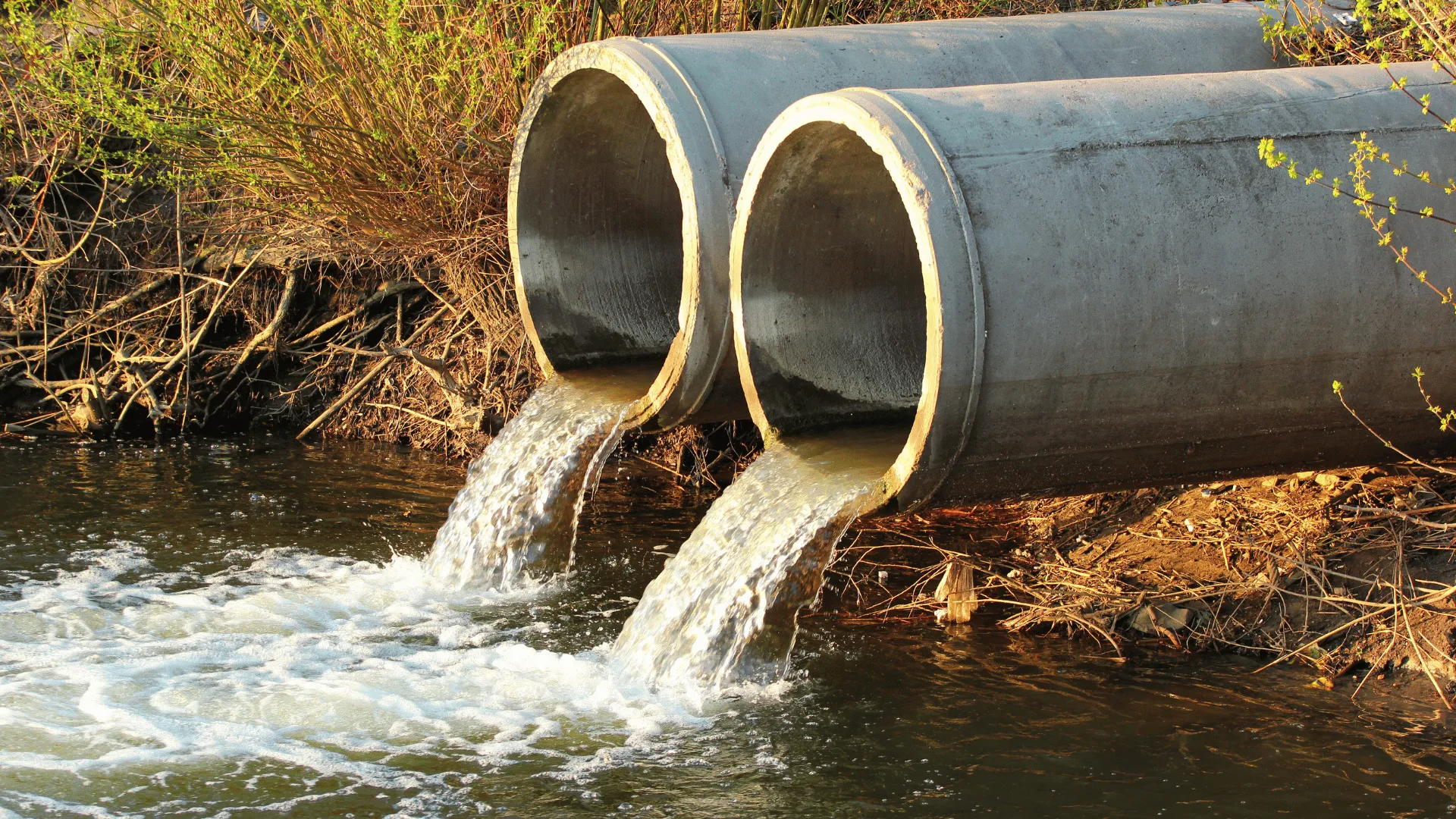
Many rivers, lakes, and estuaries have been blighted by historic nitrogen and/or phosphorus pollution, with a knock-on effect on protected sites,2 putting an array of species at risk. While biodiversity net gain improves most habitats impacted by development in England by at least 10%,3 protected areas require a different approach.
Nutrient neutrality demands that developers in England and Wales do not add 'nutrient pollution' to particular catchments in both countries. It applies only to new housing projects in specific areas where protected habitats are already deemed to be in 'unfavourable condition' because of nutrient pollution levels.4
This guide will examine all aspects of nutrient neutrality, from its origins and how a nutrient budget is calculated, to the ways developers can achieve nutrient neutrality.
When Was Nutrient Neutrality Introduced?
By 2022,5 the UK government had informed 74 local planning authorities that a number of freshwater habitats, legally protected under The Conservation of Habitats and Species Regulations 2017,6 were in 'unfavourable condition'7 due to high levels of nutrients, mainly nitrogen and phosphorus from agriculture and wastewater treatment works.8
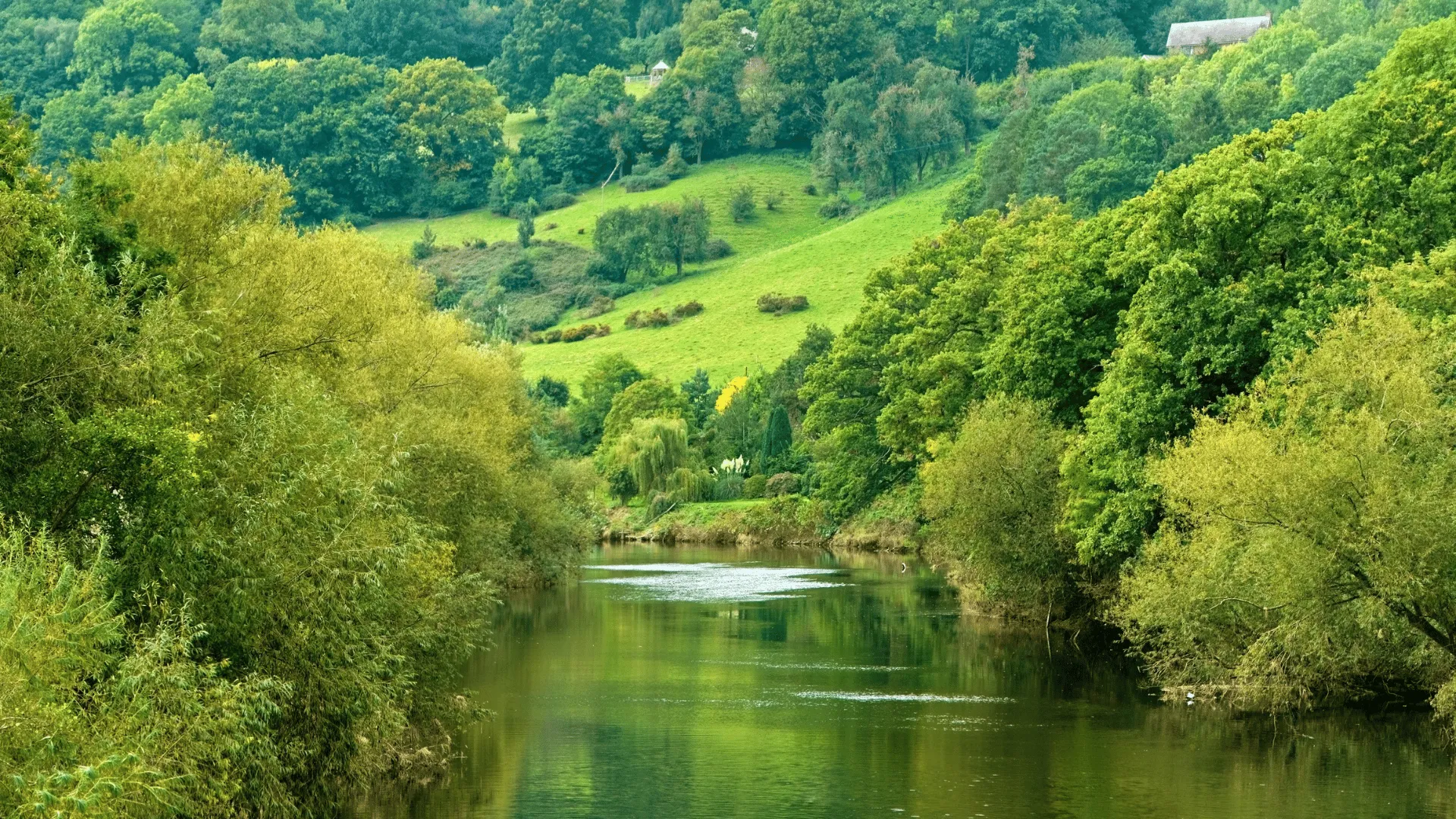
The move followed a ruling by the EU Court of Justice,9 which said developments could be only approved if nitrogen levels were deemed compatible with a protected site after an "appropriate assessment" had been carried out.10
As a result, the UK government formally told local planning authorities to refuse planning permission to projects located in a protected freshwater region, known as a catchment, deemed to be in unfavourable condition, unless the developer could demonstrate that nutrient levels would remain unchanged, neutral, when work was finished.
Three pillars were put in place to help developers and LPAs achieve nutrient neutrality and allow building projects to move forward:11
- Increasing the supply of mitigation sources
- Tackling pollution at source
- Providing certainty for developer investments

The Environment Act 2021 has set a target to reduce total amounts of agricultural nitrogen, phosphorus and sediment entering waterways by a minimum of 40%, compared to the baseline, and for phosphorus loadings from treated wastewater to be cut by at least 80% from the baseline, by 2038.12
Which Areas Are Affected?
England
In England, the River Eden, River Tees, River Derwent, Bassenthwaite Lake, River Wensum, the Norfolk Broads, River Wye, River Lugg, the Somerset Levels, the Solent, Hampshire Avon, Poole Harbour, River Stour, Stodmarsh, and River Camel are among the designated sensitive catchment areas where wastewater treatment works must be upgraded to reduce nutrient levels.
According to Natural England's map, they are all sites of special scientific interest (SSIs) and include some of the country's most ecologically significant river systems and coastal areas.
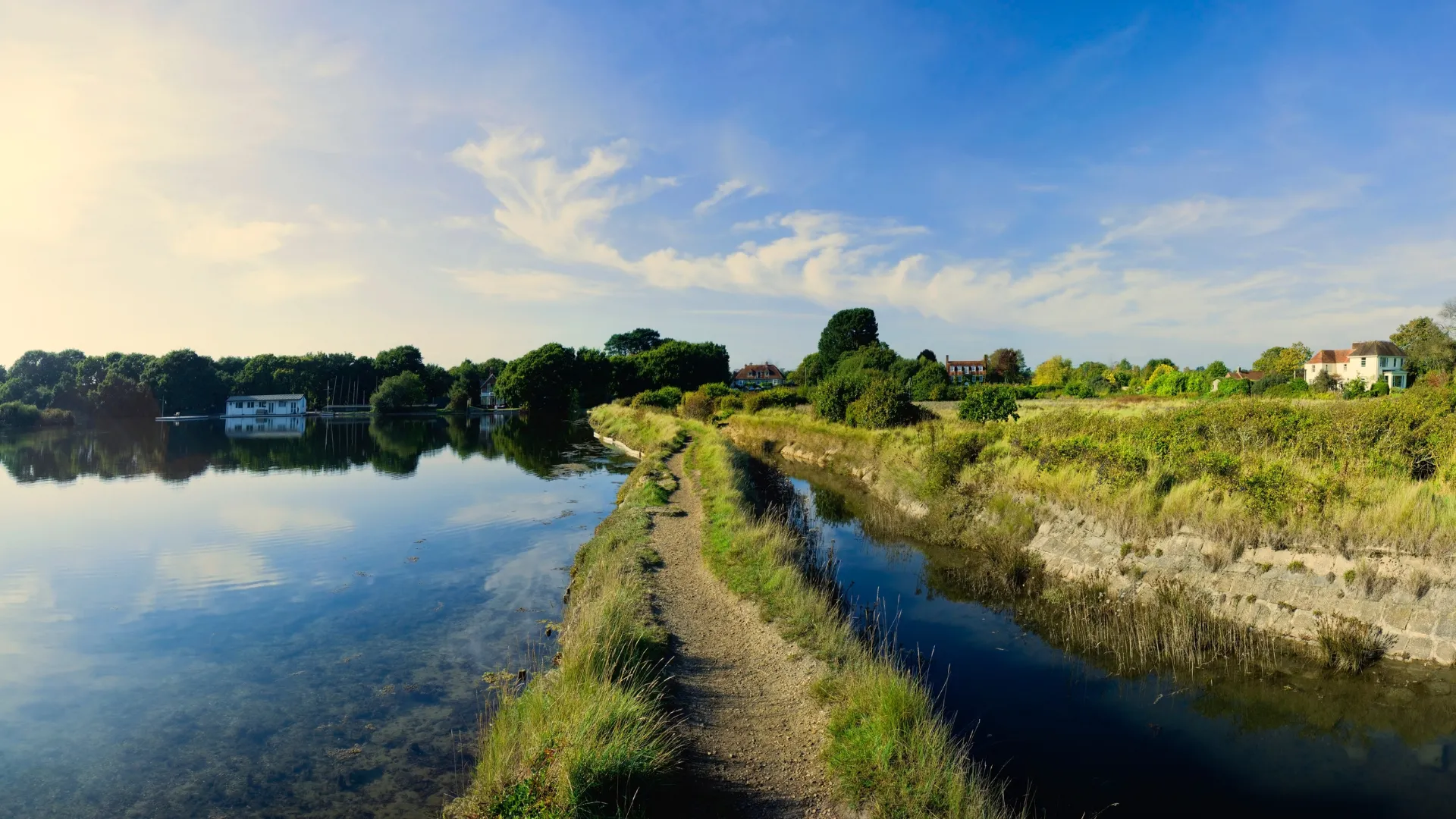
Change is already happening for the better in some regions. In 2024, planned upgrades to wastewater treatment plants in the Poole Harbour catchment would be enough to eliminate the requirement for phosphorus nutrient neutrality, but not nitrogen.13
Wales
Nine rivers in Wales have been designated as Special Areas of Conservation (SACs) under the Conservation of Habitats and Species Regulations 2017.14 According to DataMapWales, they are the Afonydd Cleddau, Eden, Gwyrfai, Teifi, Tywi, Glaslyn, Dee, Usk and Wye.
As in England, the Welsh government targeted phosphorus and nitrogen nutrients, but the latter category was broadened in 202515 to include all forms of dissolved inorganic nitrogen (DIN), including nitrate, nitrite, and ammonia. This followed conditions assessments, published by Natural Resources Wales, that connected failures in SACs water quality to DIN.16
The Marine Nitrates Development Taskforce, which published its final update in March 2026,17 detailed tools and guidance that had been created for developers and local planning authorities, including a nutrient calculator, a mitigation handbook, and a clarification note issued by the Chief Planning Officer.
Despite this, development in some SAC areas has been restricted, while others have slowed, due to the requirement for the two-stage Habitats Regulations Assessments, comprising a test of likely significant effect and appropriate assessment.18
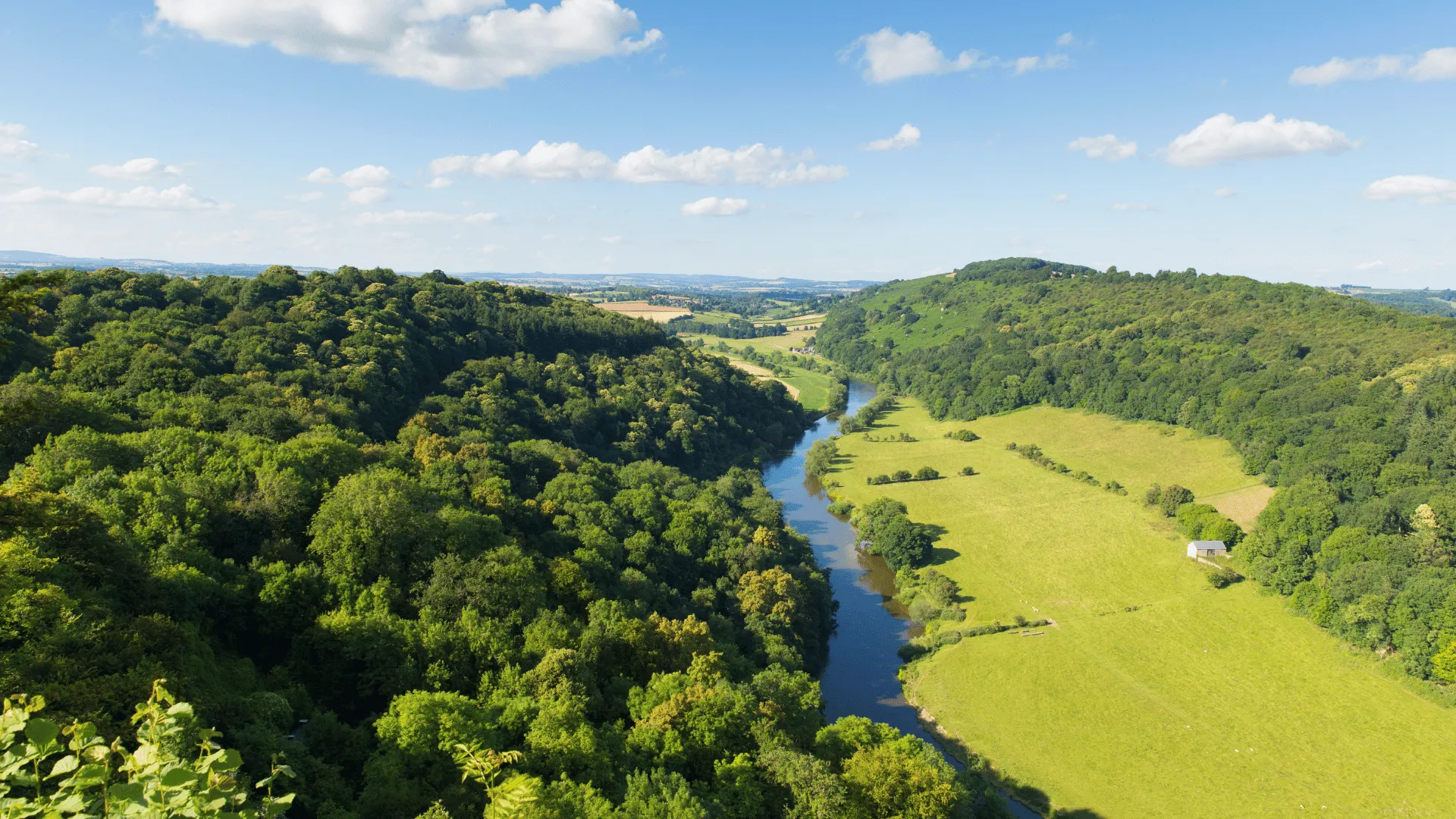
Advice tailored to local catchments in both countries is issued by Natural England and Natural Resources Wales (NRW) respectively.
How Is the Nutrient Budget Calculated?
A development's minimum 10% biodiversity net gain is determined using a bespoke metric tool, and it's a similar story for nutrient neutrality.
A nutrient budget determines the annual mitigation required to achieve nutrient neutrality. Links to government-approved nutrient budget calculators for each specific catchment in England are listed here, while the tool for developers in Wales is here.
Developers must fill in several worksheets with information such as existing wastewater treatment works connected to the development,19 nutrients from current land use, and the impacts of any sustainable drainage systems, known as SuDS.20
The final sheet uses all the inputted information to calculate the necessary annual nutrient mitigation in kilograms. It automatically adds a 20% buffer in case of uncertainties in the calculation, ensuring that, even if nutrient pollution levels are underestimated, the mitigation will still cover it.21
Natural England mandates that nutrient neutrality solutions and schemes should remain in place for between 80 and 125 years, though they can last longer, where needed.22
Nutrient Neutrality Solutions: What Works in Practice
Wastewater Treatment Works Improvements
As demonstrated by the Poole Harbour catchment, upgrades to water treatment works can result in significant, at-scale phosphorus reductions in affected catchments.
Water companies can also use chemical dosing to reduce nutrient levels in treated wastewater.
In May 2025, the Environment Agency published a position statement on water companies' trials of nature-based solutions (NbS) to meet statutory permit limits for phosphorus and nitrogen.
The Agency said: "Information from these trials will inform how we permit and regulate these solutions in the longer term."23
The same month, the Agency withdrew catchment nutrient balancing (CNB) as an option for water companies, citing it as "ineffective and unworkable."24
Purpose-Built Wetlands
Wetland-based nutrient mitigation solutions can be highly effective, especially when deployed on farmland.25
Wetlands and the plants they are home to intercept water-carrying nutrients from agricultural land or urban runoff,26 allowing them to be absorbed.
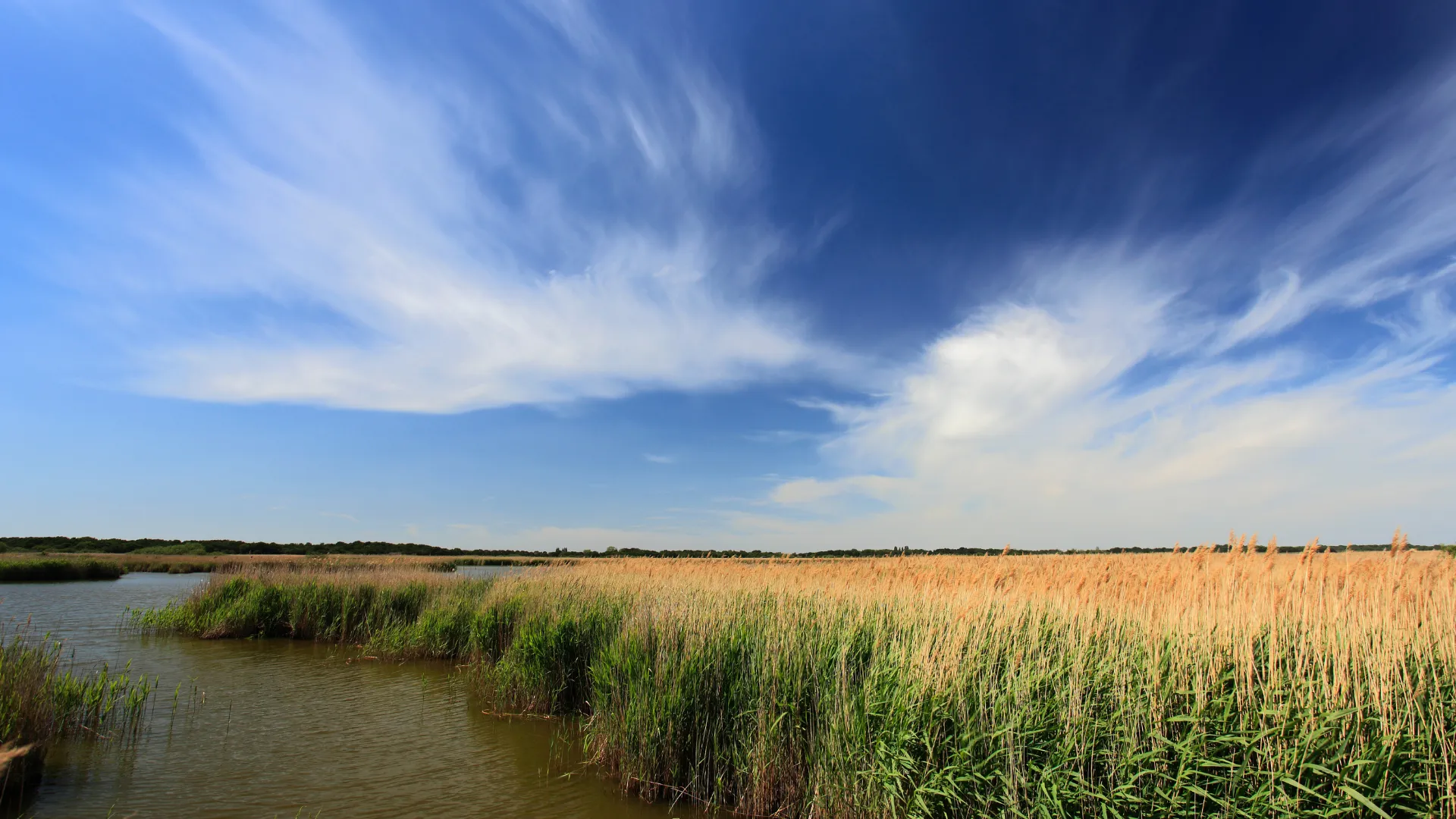
However, they do require appropriate land in the right location within these areas, and sufficient water flow to treat meaningful volumes of nutrient-rich runoff.
Arable-to-Grassland Conversion
Converting fertilised arable land to unfertilised grassland reduces the nutrients leaving the soil, specifically nitrogen, which could otherwise wash into waterways and enter the catchment.
Arable conversion is one of the most scalable nutrient mitigation solutions available in catchments with high nitrogen levels from agriculture.
In UK nutrient neutrality schemes, the difference land use makes is significant: agricultural land used for poultry farming has a nitrogen leaching rate of around 70.7 kg per hectare per year, compared with just 5 kg per hectare per year for woodland, a deficit that can be used to offset the nutrient impact of new development.27
This conversion solution is widely used by land managers participating in nutrient credit markets.
Nutrient Credits
Most developers can't achieve nutrient neutrality using on-site measures alone. This particularly applies to residential developments on brownfield sites, where wastewater from the occupants adds to the nutrient load.
In these circumstances, developers must buy nutrient credits,28 either via Natural England's Nutrient Mitigation Scheme or from third-party providers like us.
A single nutrient credit represents one kilogram per year of nutrients, either nitrogen or phosphorus, removed using a mitigation scheme. Nutrient neutrality credits can only be sourced from within the same catchment as the development.29
The cost of nutrient credits varies significantly by both catchment and nutrient type.
Nutrients removed as phosphorus credits can sell for up to £100,000 per kilogram per year in some catchments, while developers can pay between £2,500 and £10,000 per house for nutrient credits in others.30
How We Support Nutrient Neutrality Compliance
Greenshank develops some of the most innovative nutrient mitigation schemes in the UK.
Our CEO, Dr Gabriel Connor Streich, contributed to Natural England's technical guidance on nutrient neutrality, and we are the only company deploying schemes using these proprietary methods, including riparian buffers31 and drainage ditch management for nutrient reduction.
We operate nutrient mitigation schemes across several nutrient neutrality areas. They are generating nutrient credits from land use change and wetland creation that developers can buy to achieve their nutrient neutrality obligations.
Our landowner network allows us to identify and develop nutrient mitigation solutions across these areas. We connect developers with the credits they need to secure planning permission quickly and cost effectively.
Let Us Help Your Development Achieve Nutrient Neutrality
If your development site falls within a nutrient neutrality catchment and you need support calculating your nutrients budget or securing the credits for nutrients you need, get in touch.
We provide nutrient mitigation solutions across these areas in England and can help you achieve nutrient neutrality and progress your planning permission.
If you're a landowner thinking about creating a nutrient mitigation scheme, we can offer impartial, expert advice on the best way forward.
Email us at sales@greenshank-environmental.com or fill in this contact form and we'll be in touch as soon as possible.
Sources
Related posts
Guidance on BNG, nutrient neutrality, and nature-based solutions for sustainable development.
Ready to buy your units?
Easily buy your BNG units online today to ensure compliance and positive environmental impact.