
Environmental Delivery Plans May Become Environmental Destruction Plans

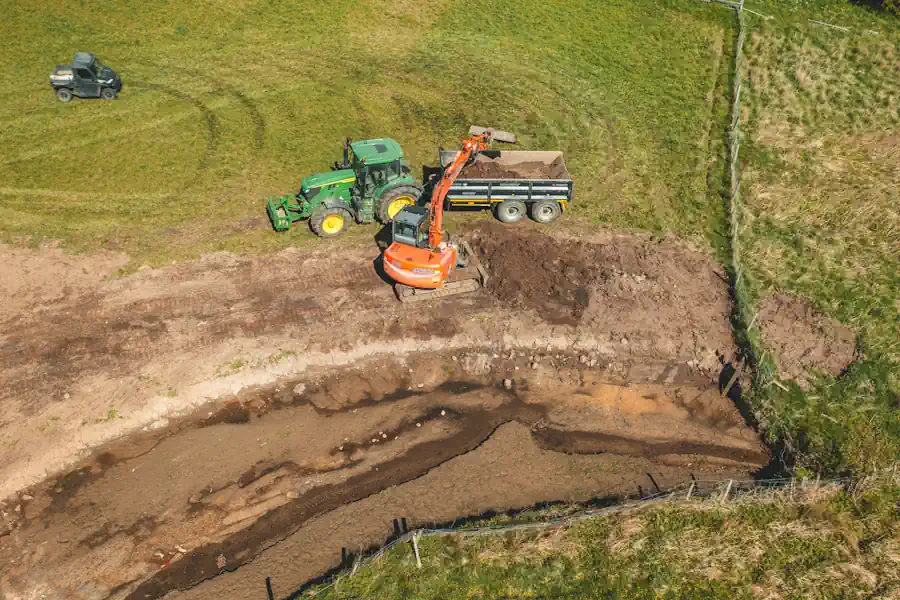
Are Environmental Delivery Plans going to result in unmitigated sewage pollution to rivers while the taxpayer writes a promissory note?
The first Environmental Delivery Plan (EDP) is expected imminently. It will cover the impact of sewage pollution resulting from new residential development in the catchments of the River Wensum and Norfolk Broads. These are nationally important river and wetland ecosystems.
EDPs and the Nature Restoration Fund (NRF) are being presented as a bold new way to unlock housebuilding while restoring nature. While they have this potential, current signals suggest they will fail to match the impact of sewage pollution from the development they will facilitate.
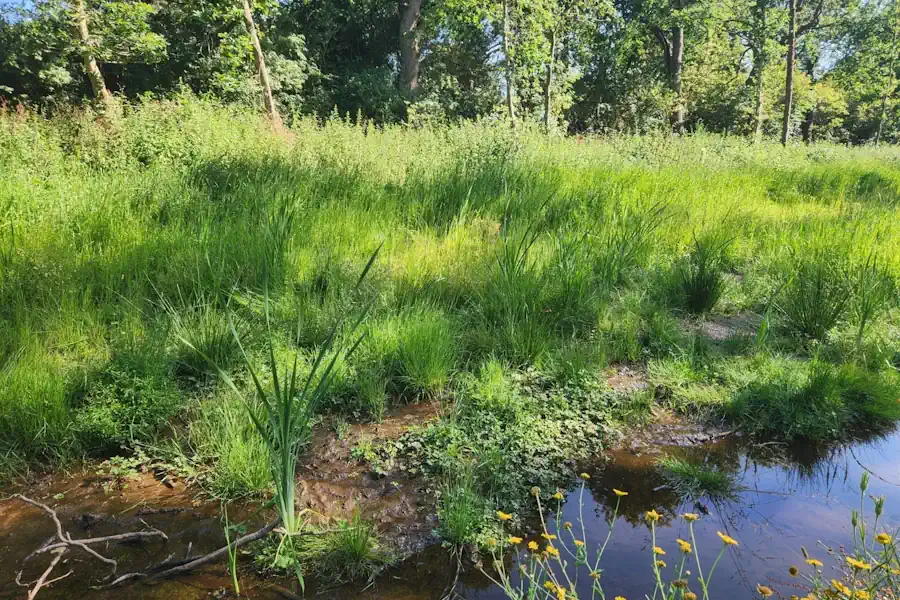
The first EDPs are being drafted in response to the issue of nutrient neutrality. This issue exists because sites of national ecological importance are already beyond a water quality threshold that means nutrient levels are harming these ecosystems.
Under the current system, if a development will add sewage and associated nutrient pollution to these already stressed rivers and wetlands, that harm must be mitigated before it occurs.
Under the new system, developers will be able to pay a levy and walk away under the assumption that this levy payment will address their sewage pollution impacts. We are concerned that developers and the public may be left waiting for offsets that arrive late and do not address these impacts.
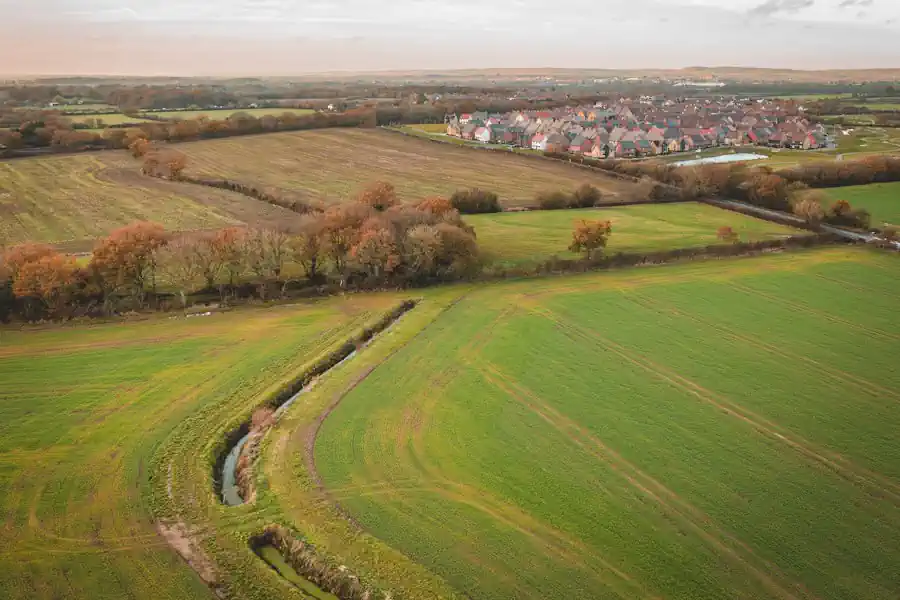
How Did We Get Here?
Sewage pollution is a national problem. Raw sewage was discharged into England's rivers for over 1.8 million hours (1,873,751), a total of 291,492 times in 2025.1 There are more than 7,000 sewage treatment works in England and Wales that discharge billions of litres of treated sewage to our rivers and seas every day.2
The Environment Agency's recent assessment of the health of England's rivers showed that only 14.3% achieved good ecological status. Phosphate (nutrient) pollution was one of the key causes of poor ecological health, with sources predominantly coming from sewage discharges and agriculture.
This is the background to the nutrient neutrality requirement that now affects the catchments of our most nutrient-sensitive ecosystems and explains the current requirement for each new development site to mitigate before impact.
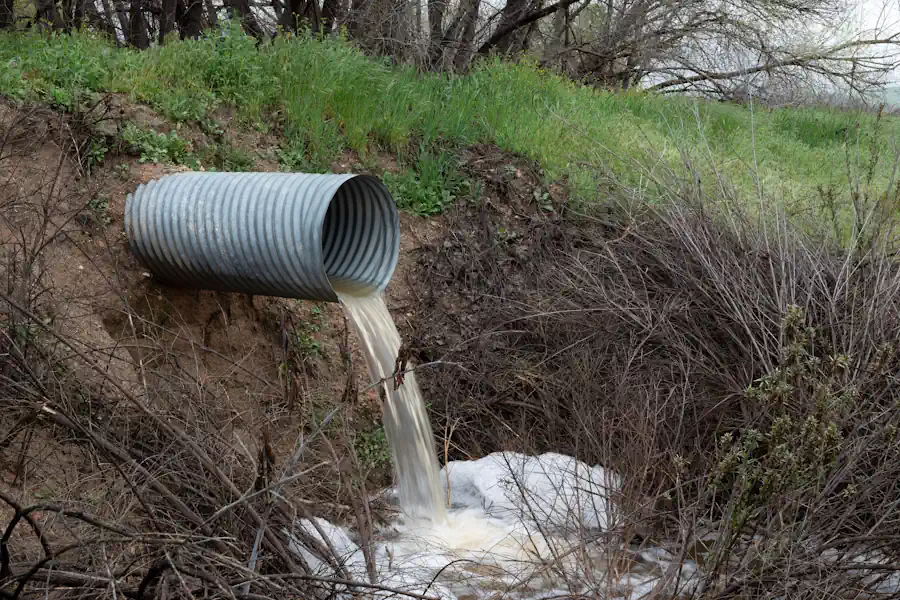
The Government's EDP pitch is simple: replace site-by-site mitigation with strategic Environmental Delivery Plans. Pool developer money. Deliver bigger, better environmental projects.
That sounds sensible, laudable even, assuming EDPs are being drafted to achieve these outcomes. Our concern is that they are very much not. Instead, the new system will include an underpriced levy with the taxpayer pump priming delivery of "Conservation Measures" which do not directly reduce sewage pollution.
This is in stark contrast to the current system that costs the taxpayer nothing and requires mitigation of sewage pollution impacts on a 1-to-1 basis.
(No) Reduction in Environmental Protection
The current nutrient neutrality system is not perfect, but it provides a clear requirement for environmental protection against sewage pollution.

The Government asserted that EDPs would not constitute a reduction in environmental protections, but the Office for Environmental Protection has raised concerns that the EDP-enabling legislation amounts to a regression in environmental law.3 These concerns look like they are coming to pass.
I understand that the levy charge rate proposed for the Norfolk EDP is unlikely to be sufficient to deliver Conservation Measures at a scale that will offset the sewage pollution impacts from new development. A recent string of tenders from Natural England4 also hint that EDPs will move away from rigorous and quantitative approaches to specifying measures that reduce nutrient pollution, favouring delivery of measures that have weak links to nutrient pollution reduction.
I would welcome a commitment from Government and Natural England to retain the same level of quantitative rigour that underpins the current nutrient neutrality system. This would help to allay fears that EDPs are going to allow unabated sewage pollution and reductions in environmental protections.
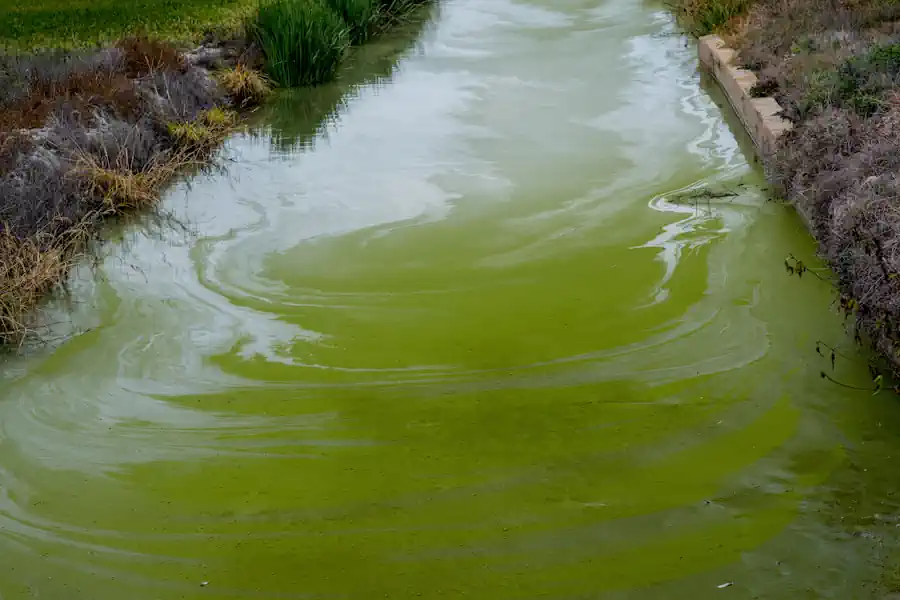
The Public Could Pay to Allow More Sewage Pollution
Whatever the Conservation Measures paid for by the NRF, the fund is reliant on levy payments that will come when developers achieve planning permission. This means that impacts from a development are likely to commence ahead of when Conservation Measures are delivered, unless the NRF is pump primed with taxpayer money.
I understand that Defra and MHCLG are anticipating the need to fund the NRF initially because of delays in receiving levy payments from developers.
.jpg)
And that in turn, there is uncertainty as to whether all the taxpayer funding will be recouped.
Contrast this with the current system: mitigation is delivered with financial risk taken by landowners on the basis that developers pay for the mitigation and reward that risk. The taxpayer does not need to underwrite this system.
We are therefore getting signals that EDPs could be the worst of both worlds: developers pay on good faith, rivers get polluted and taxpayers get a bill.
I hope I am wrong and the Government can confirm that levy payments to the NRF will buy real, measurable pollution reduction at prices that mean the taxpayer is not left out of pocket.

Rivers Need Protection, Not IOUs
There is a strong case for better strategic planning for nature recovery. But strategic does not mean speculative. Faster planning must not mean weaker environmental protection. And developers should have confidence they are not paying to greenwash.
Environmental Delivery Plans should start to provide confidence that they will not be Environmental Destruction Plans. The architects of the NRF should take concrete steps to quell suspicions that it will allow sewage pollution at the taxpayer's expense.
Related posts
Guidance on BNG, nutrient neutrality, and nature-based solutions for sustainable development.

A Landowner's Guide to Nutrient Mitigation Schemes
Find out how nutrient mitigation schemes work for landowners, how nutrient credits are generated, and how to combine nutrient and BNG income.
Nutrient Neutrality
What Is Nutrient Neutrality?
Find out what nutrient neutrality is, which catchments are affected, and how to secure nutrient credits for planning permission.
Nutrient Neutrality

Enhanced Drainage Ditch Management for Nutrient Transport Reduction
A review of Greenshank's Drainage Ditch Methodology for Nutrient Mitigation
Nutrient Neutrality
Ready to buy your units?
Easily buy your BNG units online today to ensure compliance and positive environmental impact.