
The world is burning. Policy and finance must align behind nature.


I remember my undergrad lectures on climate change, discussing the modelling that indicated extreme weather would increasingly become the norm, not the exception. Fast forward and that is what we are living in: from way above average rainfall in winter to what the EA are calling a 'flash drought' in summer.
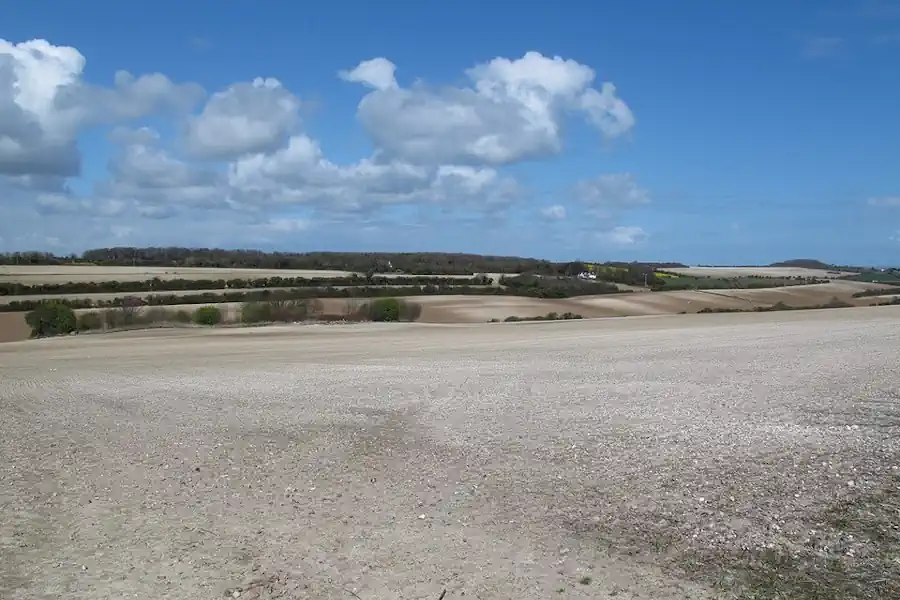
Wildfires are burning across Great Britain, from the Cairngorms to Dunwich Heath. Hosepipe bans are affecting 40% of England's population with much of England and Wales now in drought conditions.
Against this backdrop, it is striking that Andy Burnham's incoming government has yet to signal a clear position on climate change and environmental issues, barring the potential to unblock more North Sea fossil fuel extraction. This seems a retrograde step in the face of 2026's extraordinary summer.
Flagship pledges to reform social care are of course hugely important, but with the UKHSA reporting 2,877 additional heat related deaths in May and June 2026 alone and the impacts of extreme heat being felt more acutely in deprived areas, the pervasive nature of our climate and nature emergency should see climate and environmental mitigation, resilience and adaptation as a central pillar to all policy. This type of thinking is still strikingly absent.
Building on Success Stories
Without government driving action at a scale that meets the moment, we have to look elsewhere. Greenshank's operations in BNG and nutrient neutrality markets, and the operations of other businesses in a small but growing nature markets sector, have shown that where there is a market driver to route capital into delivering nature-based solutions (NbS), capital will be allocated and delivery follows.
But these two markets are not of sufficient scale to meet the challenge of building climate and nature resilience in the face of a growing crisis.
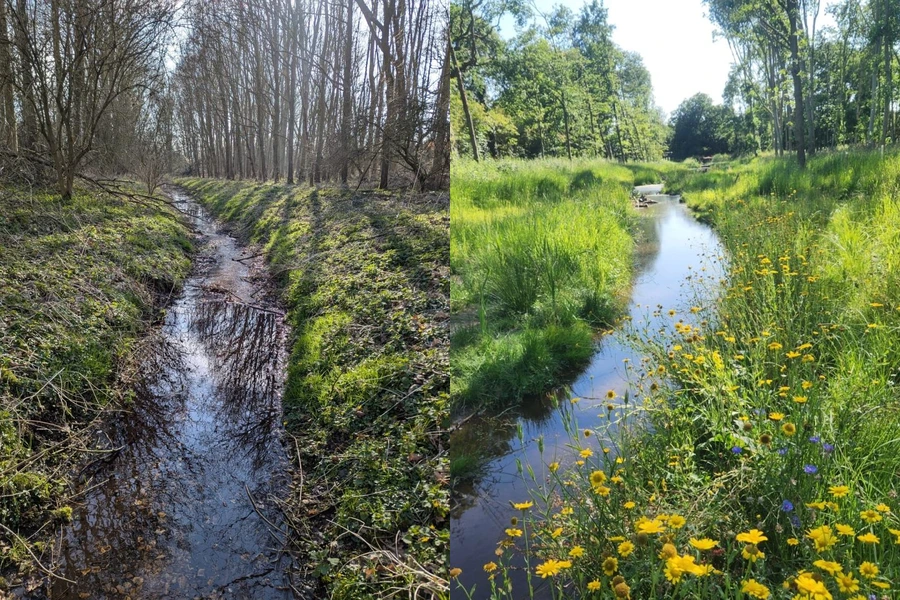
The water sector's Mainstreaming Nature-based Solutions (MNbS) programme is a welcome step towards routing finance from heavily nature-dependent sectors into delivering NbS. But I was struck by how this programme is clearly going to see limited NbS delivery until at least 2030 and likely beyond.
In particular, one of the MNbS' 'Regional Tests' is looking to understand:
...why NbS actions are not being implemented, including hurdles to be overcome in behaviour, policy, resources, standardisation, collaboration, and economic proposition (cash flows, buyers, investors).
Finance is Fundamental to Delivering for Nature
Land is an asset and landowners manage these assets to generate income. This means the core barriers to NbS delivery are always policy and finance.
If you know you have finance behind delivery of NbS, you are likely to find landowners who will deliver them, especially in the face of the torrid conditions for farming seen in recent years. If you have finance behind the delivery of NbS, it will facilitate collaboration if that finance is contingent on delivery of solutions at scale.

There are already a range of standardised tools for calculating benefits from NbS delivery for nutrient management, biodiversity, carbon, natural flood management and water storage; finance will lead to resource allocation that can utilise these tools to quantify benefits. And more delivery, monitoring and verification should feed back into the development of new and existing standardised methodologies to improve them over time.
Policy Is the Blocker
But! Policy almost always leads finance, especially in the water sector. At present, policy is almost always a blocker for nature finance. We have seen this through narrow, interest group-led inconsistencies in BNG and nutrient neutrality that have reduced investment in NbS.
Policy in the water sector should be more dynamic and seek to manage uncertainties on the scale of benefits from NbS delivery by recognising that for the cost of grey infrastructure, it is possible to over-deliver NbS and hedge against the uncertainties of using non-engineered solutions.
Get the Water Sector to Lead so Others can Follow
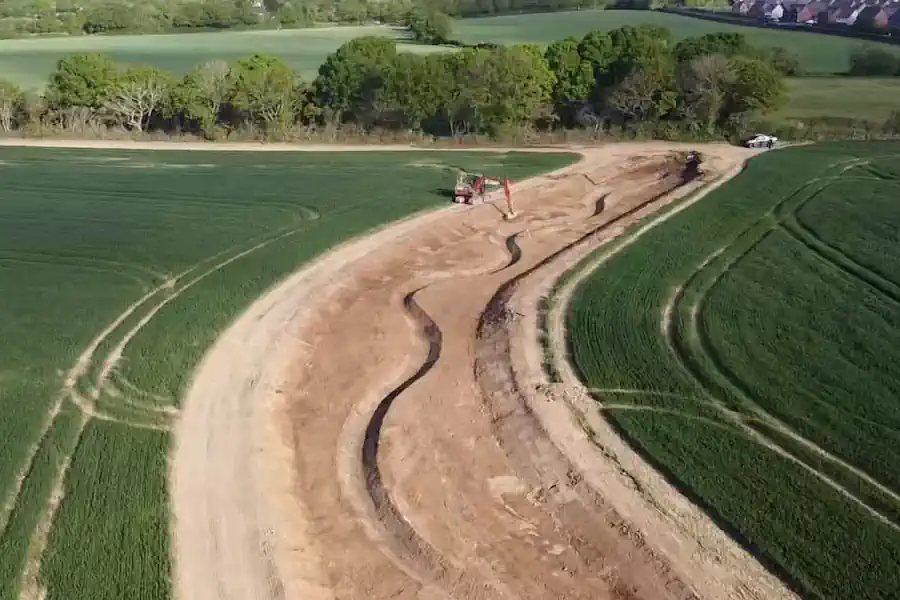
The evidence base exists that shows NbS can deliver benefits for water quality and quantity, biodiversity, air quality and climate regulation, yet we struggle to get past the delivery of pilot projects while the world burns around us. The water industry seems like an obvious candidate to lead on routing finance into delivery of NbS at scale, but there is an urgent need for the regulators of this heavily regulated sector to embrace NbS to deliver against sector targets at any point within an AMP cycle, not just at five-year review points.
One of my main aims for the next phase of Greenshank is to understand how we can take the blueprint of NbS project delivery we have developed for the BNG and nutrient neutrality markets and build on them to contribute towards meeting the scale of the environmental challenges we are facing.
Related posts
Guidance on BNG, nutrient neutrality, and nature-based solutions for sustainable development.


Ready to buy your units?
Easily buy your BNG units online today to ensure compliance and positive environmental impact.