
Greenshank in the News: Q3 2026

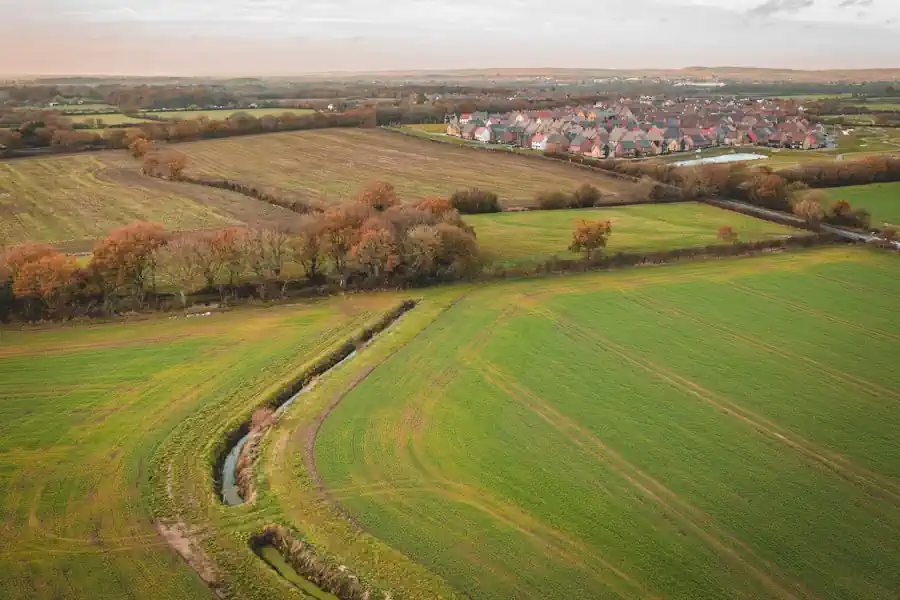
Between July and September 2026, Greenshank's press coverage moved further into policy. Two of the quarter's biggest pieces dealt with how nutrient neutrality and the government's new Environmental Delivery Plans will work in practice. Coverage of individual schemes carried on alongside, with new habitat banks in Kent and Wiltshire and a follow-up on ancient woodland restoration in Cheshire.
Environmental Delivery Plans: Emails Show Public Money May Be Needed
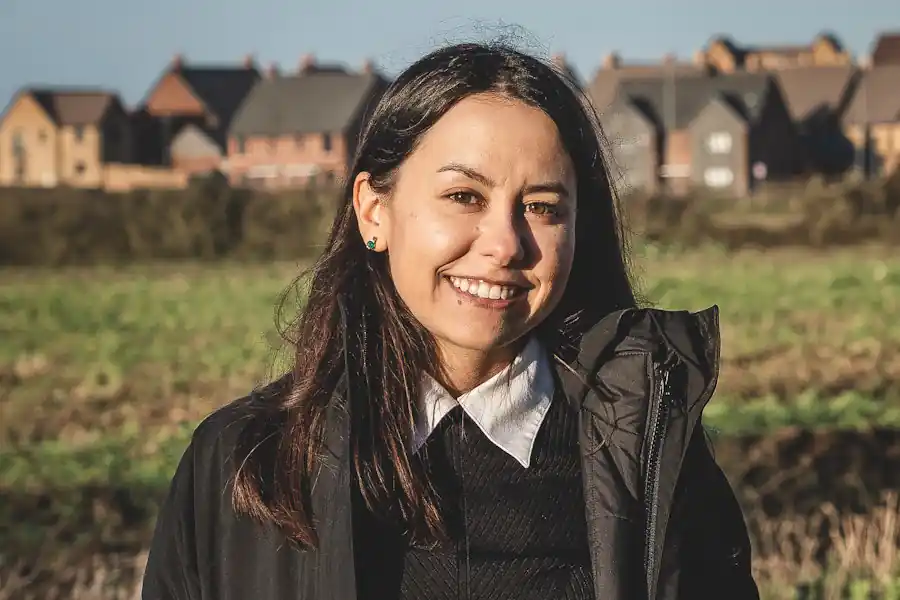
Environmental Delivery Plans (EDPs) will let developers pay into a national Nature Restoration Fund instead of securing their own mitigation. Government emails released under the Freedom of Information Act suggest that developer payments may arrive too slowly to fund conservation work before it is needed. Public money might have to cover the gap, with no guarantee it would be paid back. ENDS Report broke the story as an exclusive, with Dr Gabriel Connor-Streich, Greenshank's CEO, setting out what this could mean for water quality.
- ENDS Report: Natural England fund will need to use public money to initially offset developer nature damage, emails reveal (exclusive, September 2026, paywalled)
Derisking Nutrient Neutrality
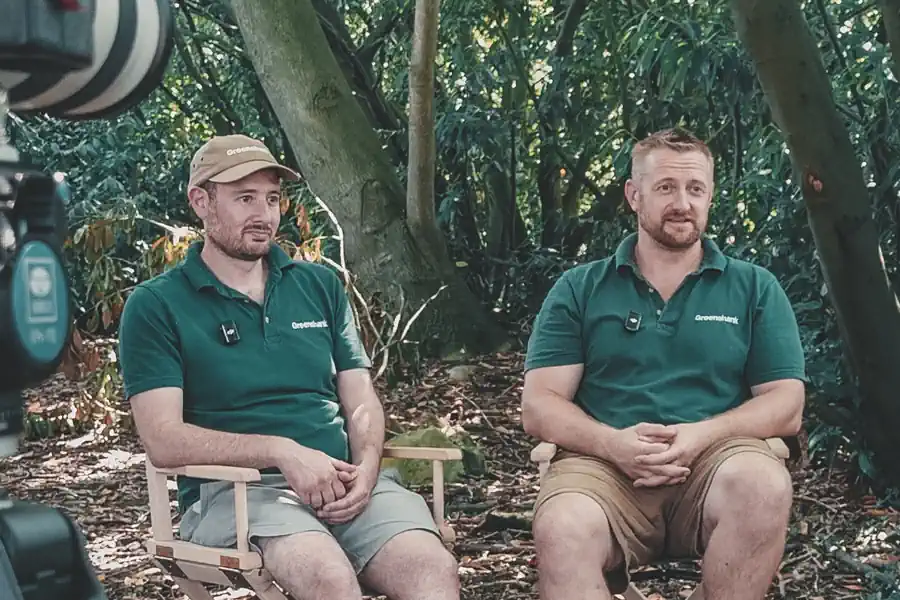
Grace Pinault, then an associate at the law firm Dentons, wrote a legal feature for Estates Gazette, the main trade title for the commercial property sector. She argues that developers should deal with nutrient neutrality and biodiversity net gain early in land acquisition and planning, before they turn into cost and timing risks. Her case study is the Stodmarsh Nutrient Mitigation Scheme in Kent, delivered by Greenshank.
- Estates Gazette: Derisking nutrient neutrality (legal feature, online and in print, September 2026, paywalled)
Haffenden Farm, Kent: A Hop Farm Becomes a Habitat Bank
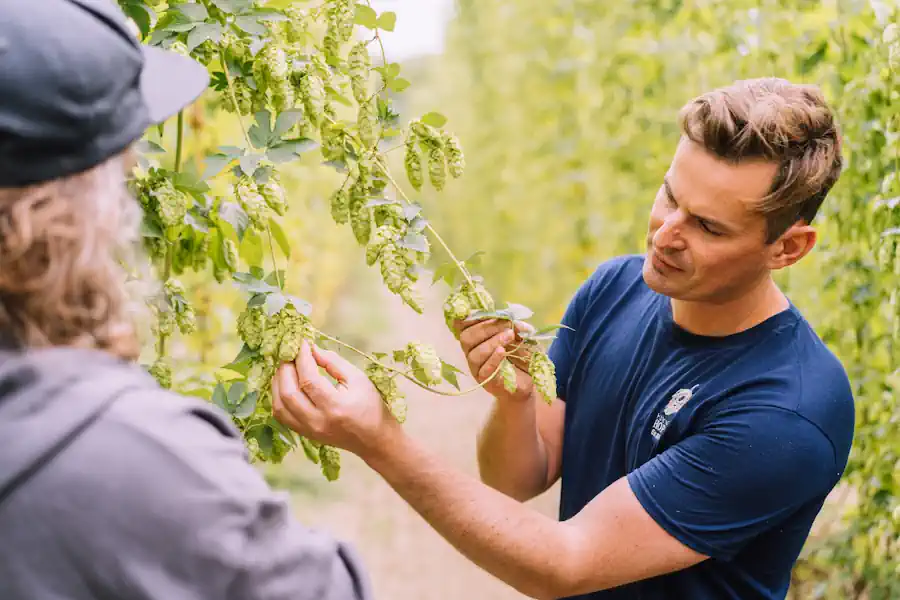
Haffenden Farm, near Tenterden, is one of the last hop farms in England and has been farmed by the Hukins family for five generations. Around 70 hectares of the farm are becoming a habitat bank, restoring lowland meadow, native hedgerow, traditional orchard and ancient woodland, secured for 30 years. Greenshank is selling the biodiversity units to developers. Kent Online quoted Gabriel on why the scheme matters for the farm's long-running conservation work: "The habitat bank gives that work a secure, long-term route to continue."
- Insider Media (South East): Kent hop farm launches 70-ha habitat restoration project - will provide BNG land (business news, August 2026)
- Kent Online: Developer contributions to help fund special £1m rewilding project at St Michaels hop farm, near Tenterden (regional news, September 2026)
Lydeway, Wiltshire: A New Scheme for Biodiversity and Nutrients
Greenshank launched Wiltshire BNG at Lydeway at the end of September. Land that was farmed intensively for cereals is being restored to supply both biodiversity net gain units and nutrient mitigation for housebuilders in Wiltshire. Greenshank plans to use Lydeway and its other sites to give local organisations and community groups access to nature. Two Wiltshire titles covered the launch within two days.
- Gazette & Herald: Wiltshire nature project launch (local news, September 2026)
- Salisbury Journal: New scheme aims to tackle pollution and housing needs (local news, September 2026)
.webp)
Newbridge Pool, Cheshire: Ancient Woodland Gets a Boost
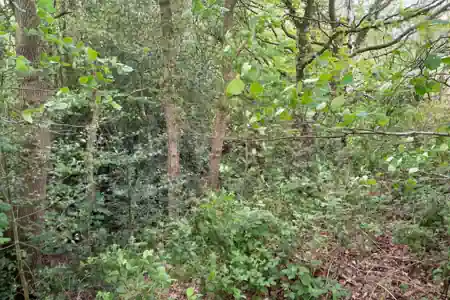
Cheshire Life picked up the story of the Davenham Habitat Bank, which restores and extends woodland in the Weaver Valley around Newbridge Pool, including ancient woodland at Newbridge Wood. The bank also adds hay meadow, ponds and orchard, and includes habitat for the endangered white-letter hairstreak butterfly.
- Cheshire Life: Ancient woodland gets boost amid Newbridge Pool restoration (regional magazine, July 2026)
Press Enquiries
Writing about biodiversity net gain, nutrient neutrality or Environmental Delivery Plans? Our team is available for comment. Contact us.
Ready to buy your units?
Easily buy your BNG units online today to ensure compliance and positive environmental impact.