
Rutland LPA BNG
Explore BNG rules, habitats, and opportunities in Rutland LPA LPA. Learn how to meet biodiversity requirements in planning and development.

.avif)
Trusted by Developers and Landowners







Biodiversity Net Gain in Rutland LPA Local Planning Authority
Rutland, England’s smallest historic county, is a predominantly rural unitary authority situated in the East Midlands. Covering around 382 square kilometres, the area is characterised by rolling farmland, woodlands, water bodies, and the prominent Rutland Water reservoir—a nationally important nature reserve and wetland habitat.
Rutland County Council follows the Environment Act 2021 guidelines, requiring most developments to secure at least 10% Biodiversity Net Gain (BNG). BNG can be delivered via on-site habitat creation or enhancement, off-site biodiversity units, or contributions to strategic conservation initiatives.
Rutland falls mainly within National Character Areas Leicestershire and Nottinghamshire Wolds, and Kesteven Uplands. The landscape supports habitats such as broadleaved woodland, lowland meadows, species-rich hedgerows, ponds, and wetland habitats linked to Rutland Water.
The blend of intensively managed farmland and high-value wetland creates both challenges and opportunities for BNG. Key local priorities include protecting and enhancing wetlands, improving habitat connectivity, and restoring hedgerows and meadows.
We offer tailored BNG advice and services for Rutland, including habitat assessments, metric calculations, and access to local biodiversity offsetting schemes.
Habitats in Rutland LPA Local Planning Authority
.avif)
Rutland hosts a range of priority habitats important for local biodiversity.
Grassland and Farmland Habitats
Lowland Meadows: Species-rich meadows in floodplains and on calcareous soils, supporting pollinators and ground-nesting birds.
Improved and Semi-Improved Grassland: Widespread in agricultural landscapes with potential for restoration and enhancement.
Arable Field Margins: Opportunities for wildlife-friendly margins and beetle banks.
Woodland and Scrub Habitats
Lowland Mixed Deciduous Woodland: Found in scattered woodlands and shelterbelts, supporting birds, bats, and invertebrates.
Hedgerows: Species-rich hedgerows forming important wildlife corridors.
Wetland and Aquatic Habitats
Rutland Water and Associated Wetlands: A key site for breeding and overwintering birds, aquatic plants, and amphibians.
Ponds, Ditches, and Reedbeds: Widespread in floodplain areas and farmland.
Rutland LPA BNG Planning
High distinctiveness habitats such as lowland meadows, wetlands, and species-rich hedgerows should be safeguarded and enhanced to maximise biodiversity uplift. These habitats require careful management under BNG.
Lower distinctiveness habitats like improved grassland and arable land offer scope for enhancement through targeted planting, buffer strips, and wetland creation.

Oakham
Uppingham
Get notified of a scheme
We do not currently have any schemes covering this LPA.
Get notified when a scheme is available in this area.
Discover Schemes in
Rutland LPA
LPA
Restoring ecosystems and creating sustainable habitats
through BNG and nutrient mitigation.
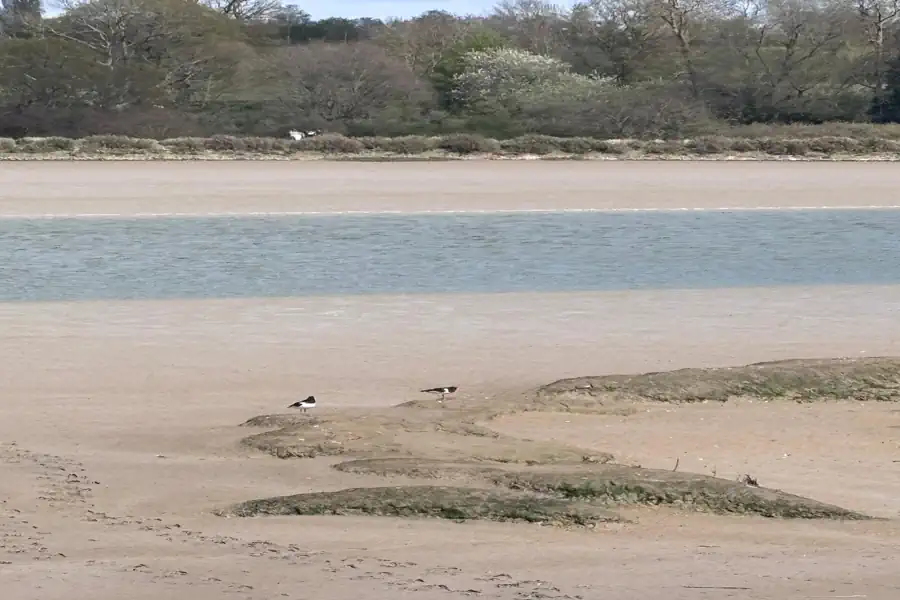
Essex BNG at Priors Farm
Essex BNG at Priors Farm
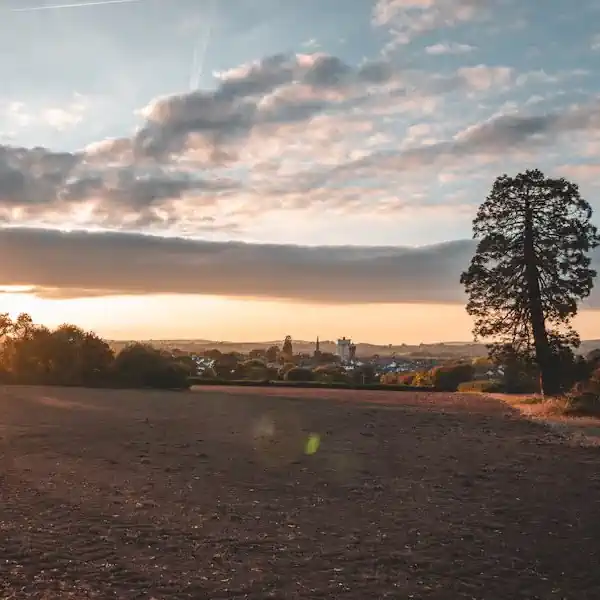
Somerset BNG Scheme
Trinity Farm & Eastcombe Fields
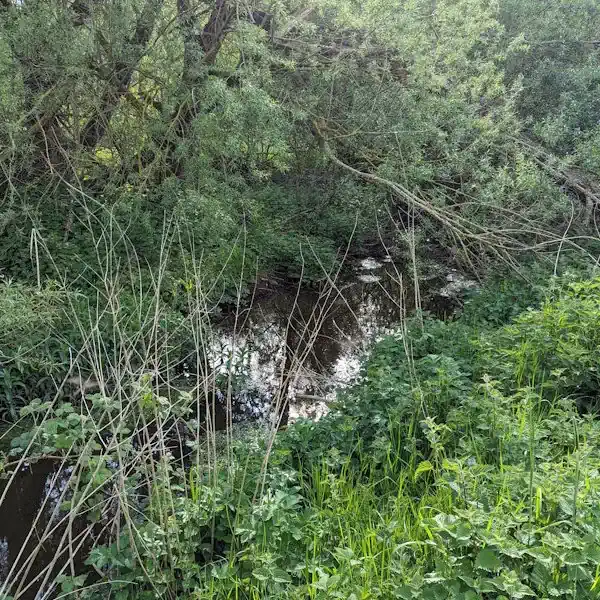
Tees Nutrient Mitigation
Tees Nutrient Mitigation Scheme
.jpg)
Wiltshire BNG at Lydeway
Land at Lydeway
.jpg)
Herefordshire BNG at Hampton Wafre
Hampton Wafre Farm
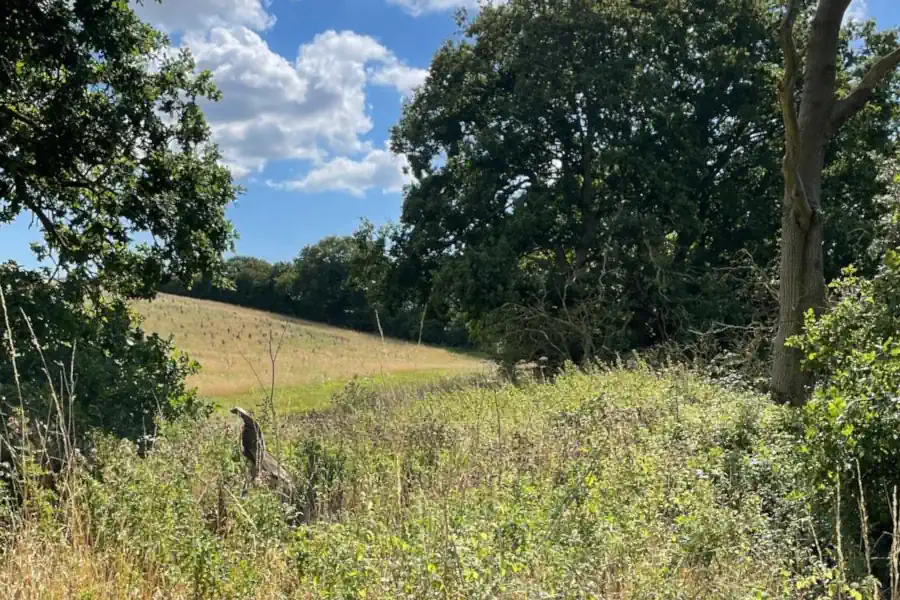
Essex BNG at James Farm
James Farm (Weeleys)
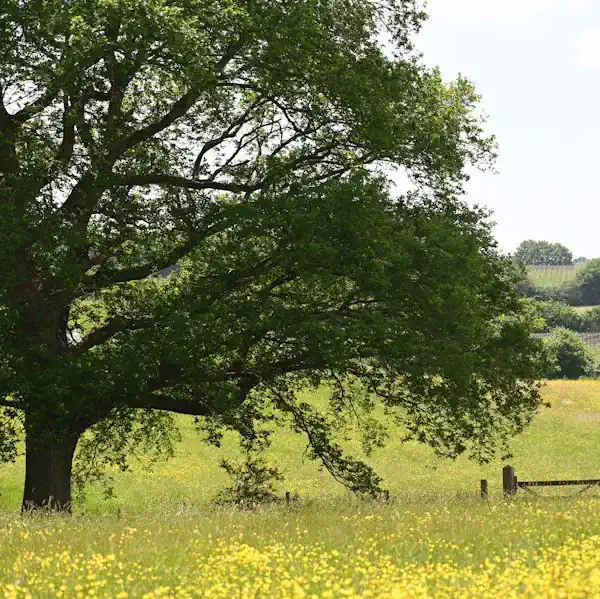
Kent BNG Scheme
Haffenden Habitat Bank
Are you looking to start a BNG scheme?
Talk to Greenshank and explore the opportunities we offer through your land.
Latest News
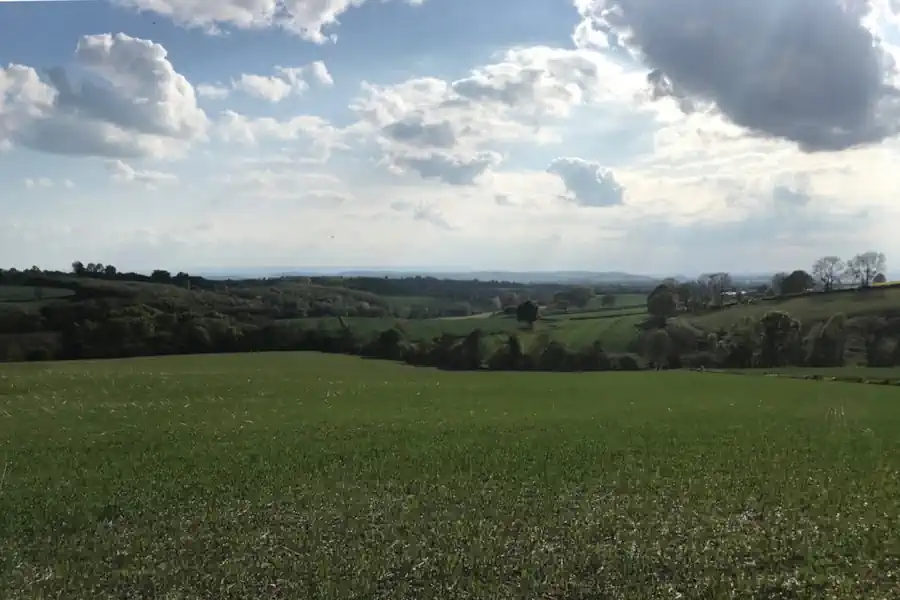
Understand how irreplaceable habitats work within biodiversity net gain, the full list of habitat types, and bespoke compensation requirements.
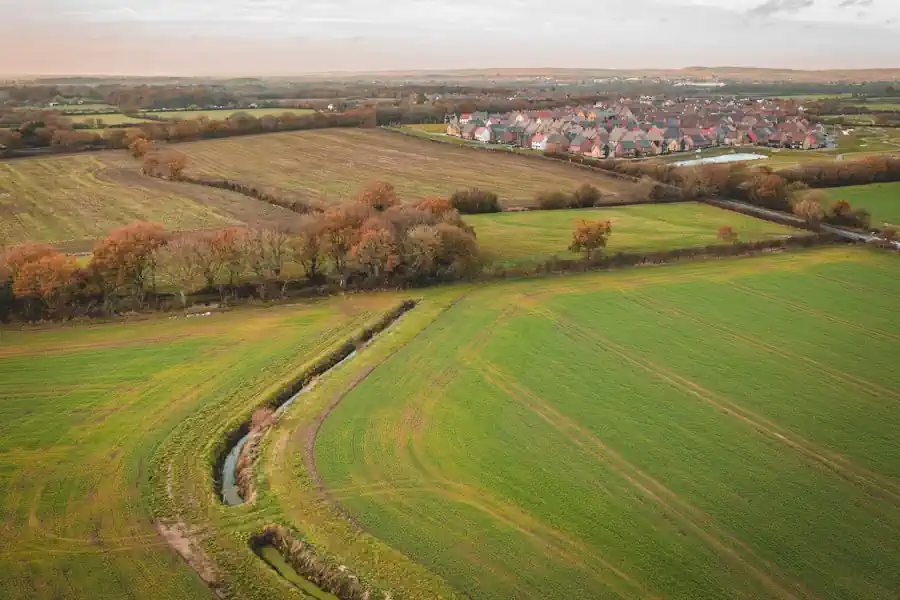
Find out how the four BNG trading rules work, what exceptional ecological circumstances trigger Rule 4, and how the advance function applies.
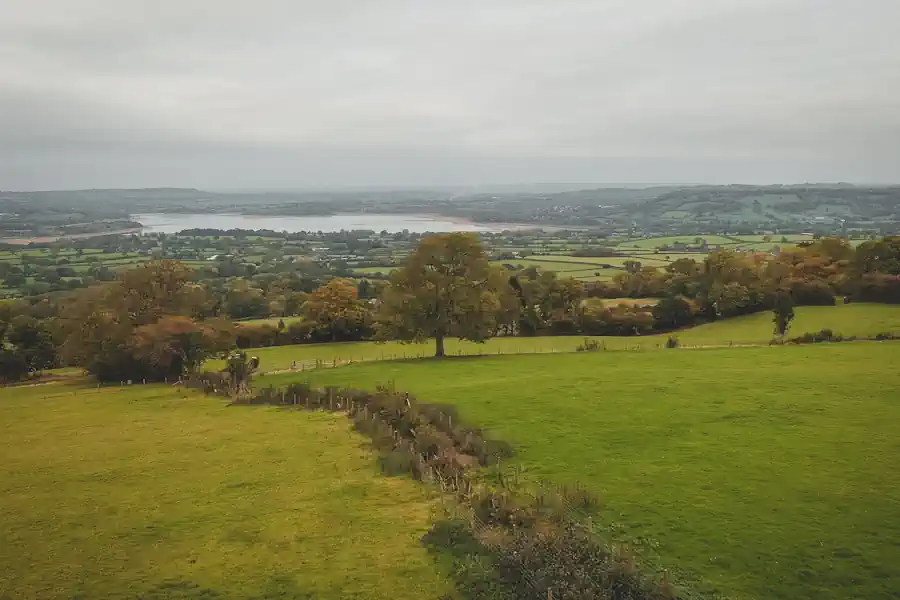
Find out what the BNG small sites metric is, which sites can use it, and how it differs from the full statutory metric.