
Herefordshire LPA BNG
Biodiversity Net Gain in Herefordshire, where phosphate limits in the River Lugg catchment shape development. Expert BNG support and access to local BNG units.

Trusted by Developers and Landowners







Biodiversity Net Gain in Herefordshire Local Planning Authority
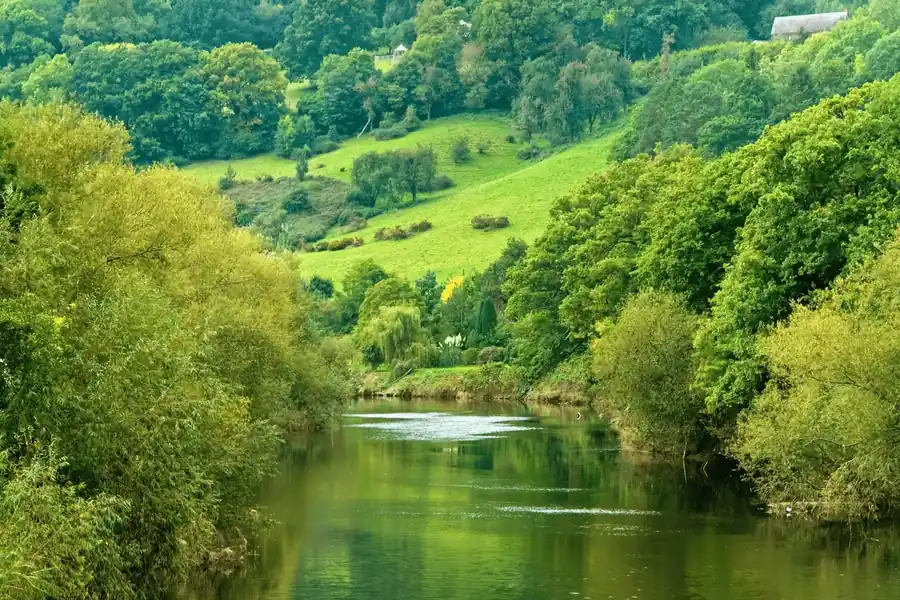
Herefordshire is a rural unitary county of about 218,000 hectares on the Welsh border, and about 70% of it is farmland. The River Wye crosses the lowland centre of the county, joined by the Lugg, with the Wye Valley and Malvern Hills National Landscapes to the south and east and the Black Mountain, the county’s highest point at 703.6 metres, to the west. Lugg Meadow near Hereford is one of the most important surviving Lammas meadows in the UK, with more than 1,500 snake’s-head fritillary. Herefordshire Wildlife Trust names the Lugg Wetlands Corridor, the Wilder Marches and the Woolhope Dome as its priority landscapes, alongside traditional orchards and hedgerows.
Biodiversity Net Gain became a legal requirement for major developments in England on 12 February 2024, and for small sites on 2 April 2024. Herefordshire Council requires the national 10% and has not published a local figure above it or a BNG Supplementary Planning Document. Applicants can deliver gains on site, through registered off-site units or with statutory credits. For larger schemes the council normally looks for gains outside private gardens, because garden habitat is less certain to be retained. The Core Strategy was adopted on 16 October 2015 and is being reviewed through a new Local Plan for 2025 to 2045. The council’s Local Nature Recovery Strategy has been adopted, and units delivered in its strategic areas gain additional value in the statutory metric.
Phosphate is the main constraint. The River Lugg, part of the River Wye Special Area of Conservation, is failing its conservation targets. Natural England advised in July 2019 against relying on the Nutrient Management Plan to offset phosphate from development, and since then development in the Lugg catchment has had to demonstrate nutrient neutrality. The River Clun catchment in the north-west carries a similar requirement for phosphates and nitrates. The council sells phosphate credits from its Luston integrated constructed wetland, but a development can face both the nutrient test and a BNG requirement, and the Wye was downgraded to unfavourable, declining status in 2023.
Habitats in Herefordshire Local Planning Authority
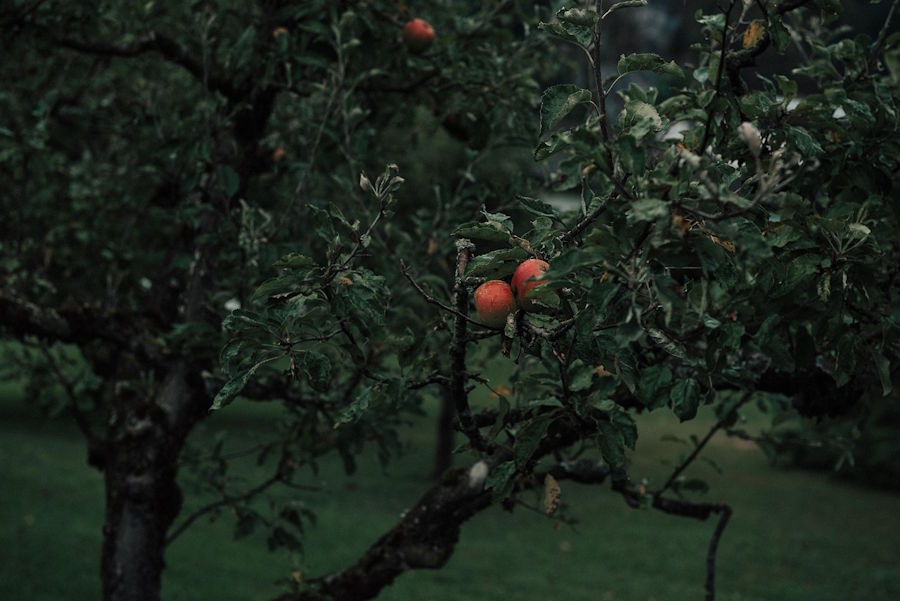
Herefordshire’s habitats follow its rivers, wooded valleys and farmed hills.
- Ancient and Wooded Valleys: wooded valleys with ancient woodland, including the Wye Valley Woodlands SAC; the Woolhope Dome is one of Herefordshire Wildlife Trust’s three priority landscapes.
- Constructed Wetlands: the Luston integrated constructed wetland in the Lugg catchment, built to remove phosphate before it reaches the river.
- Floodplain Meadows: Lugg Meadow, 46 hectares of Lammas meadow near Hereford, with snake’s-head fritillary and wintering wildfowl.
- Hedgerows: named as critical wildlife corridors by Herefordshire Wildlife Trust and as a habitat theme of the LNRS.
- Rivers (Wye and Lugg): the River Wye SAC, which includes the Lugg, downgraded to unfavourable, declining status in 2023.
- Species-Rich Grassland and Meadows: a named habitat theme of the Herefordshire LNRS.
- Traditional Orchards: a priority habitat for Herefordshire Wildlife Trust in a county known for cider.
- Upland Moorland and Heath: the Black Mountain in the west, where the LNRS includes moorland and heathland.
Hereford
Leominster
Ross-on-Wye
Ledbury
Bromyard
Kington
Get notified of a scheme
We do not currently have any schemes covering this LPA.
Get notified when a scheme is available in this area.
Are you looking to start a BNG scheme?
Talk to Greenshank and explore the opportunities we offer through your land.
Latest News
Find out which developments are exempt from mandatory BNG, what the de minimis exemption means, and what is not exempt from biodiversity net gain.
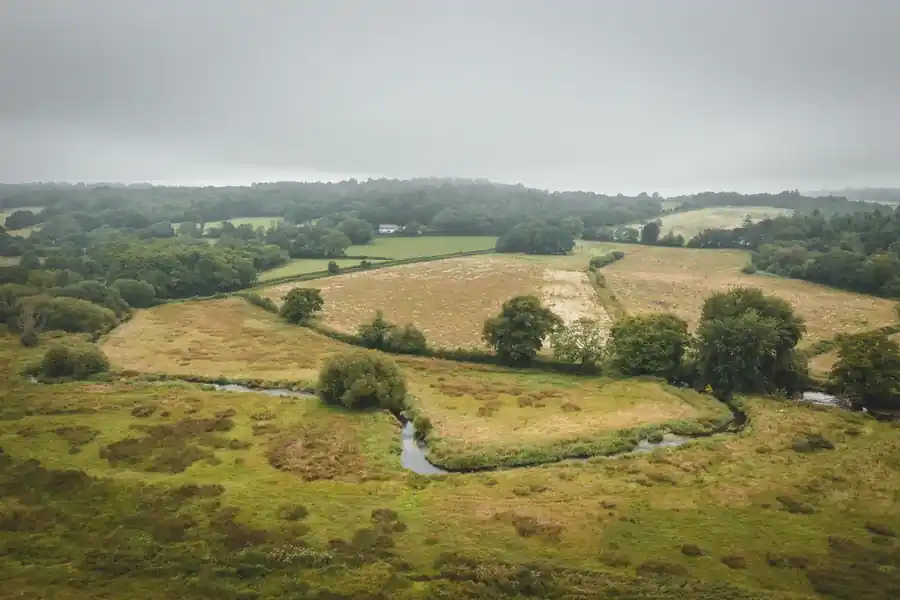
Understand what biodiversity net gain is, how BNG is calculated, and how to buy or sell biodiversity units in England.
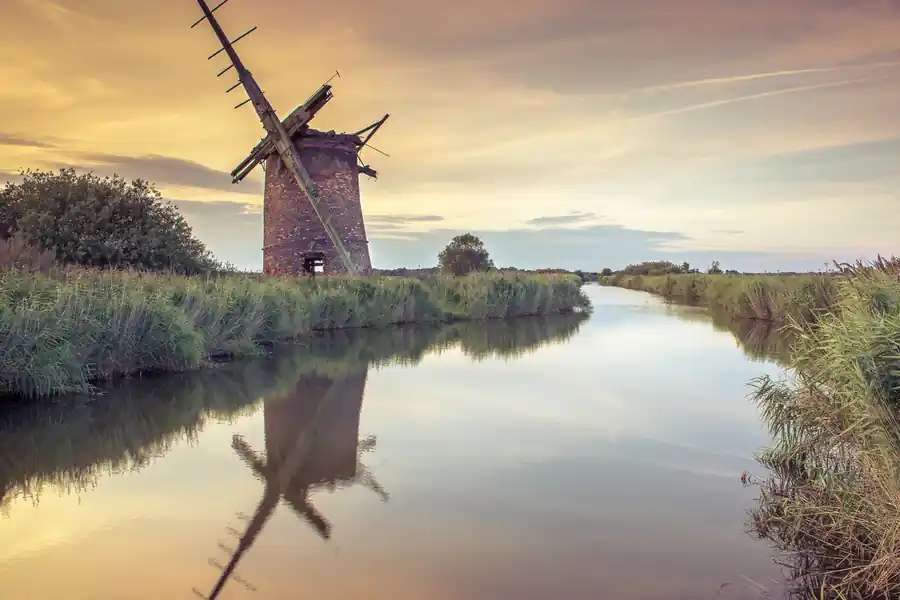
Natural England's first draft Environmental Delivery Plan would let developers discharge their nutrient obligations in the Norfolk Broads and Wensum catchments by paying a levy. This is our full response to the consultation.