
Broxtowe LPA BNG
Explore BNG rules, habitats, and opportunities in Broxtowe LPA LPA. Learn how to meet biodiversity requirements in planning and development.

.avif)
Trusted by Developers and Landowners







Biodiversity Net Gain in Broxtowe LPA Local Planning Authority
Broxtowe is a borough in western Nottinghamshire that borders Nottingham city to the east and stretches west to the edge of the Erewash Valley. Covering approximately 80 square kilometres, Broxtowe is a largely urban district with key settlements such as Beeston, Kimberley, Stapleford, and Eastwood, alongside a network of green spaces, woodlands, and river corridors.
In line with the Environment Act 2021, Broxtowe Borough Council requires most new developments to achieve a minimum of 10% Biodiversity Net Gain (BNG). This can be delivered through on-site enhancements, off-site biodiversity units, or contributions to strategic green infrastructure and local ecological networks.
The borough sits primarily within the Nottinghamshire, Derbyshire and Yorkshire Coalfield National Character Area, and is influenced by the nearby Trent Valley Washlands. The landscape includes post-industrial habitats, riverbanks, urban parks, and remnants of lowland mixed woodland. The River Erewash, which forms part of the western boundary, is a key ecological corridor within the district.
BNG in Broxtowe often focuses on integrating biodiversity into urban and suburban environments—such as enhancing linear features, restoring riparian margins, and converting amenity grassland into species-rich habitats.
We offer full support with BNG metric assessments, urban biodiversity planning, and identifying offset solutions tailored to Broxtowe’s urban-edge context.
Habitats in Broxtowe LPA Local Planning Authority
.avif)
Broxtowe supports a variety of habitats shaped by urbanisation, river valleys, and post-industrial land.
Grassland and Urban Green Habitats
Improved and Modified Grassland: Common in parks, school grounds, and roadside verges; suitable for wildflower enhancements.
Neutral Grassland: Present in unmanaged corners of urban greenspaces and brownfield sites.
Allotments and Urban Gardens: Offer valuable habitat mosaics, especially when managed with wildlife in mind.
Woodland and Scrub Habitats
Lowland Mixed Deciduous Woodland: Found in older parks, on brownfield regeneration sites, and along the Erewash Valley.
Scrub and Secondary Woodland: Common on derelict and edge-of-town sites, supporting nesting birds and insects.
Wetland and Watercourse Habitats
River Erewash and Tributaries: Provide a green corridor along the western edge, supporting aquatic species and riparian vegetation.
Ponds and Ditches: Scattered across urban greenspaces and former industrial land, often rich in biodiversity.
Wet Grassland and Reedbeds: Present in local nature reserves and along flood-prone areas.
Hedgerows and Linear Features
Urban and Peri-Urban Hedgerows: Provide connectivity for wildlife and are valuable when species-rich.
Disused Railway Lines and Greenways: Act as linear wildlife corridors through developed areas.
Broxtowe LPA BNG Planning
High distinctiveness habitats in Broxtowe—such as the River Erewash corridor, mature woodland patches, and species-rich grassland—should be retained and enhanced as part of BNG delivery.
Lower distinctiveness habitats such as amenity grassland and scrubland offer opportunities for transformation into more ecologically valuable habitat through planting, rewilding, and wetland creation.

Beeston
Kimberley
Stapleford
Eastwood
Get notified of a scheme
We do not currently have any schemes covering this LPA.
Get notified when a scheme is available in this area.
Discover Schemes in
Broxtowe LPA
LPA
Restoring ecosystems and creating sustainable habitats
through BNG and nutrient mitigation.
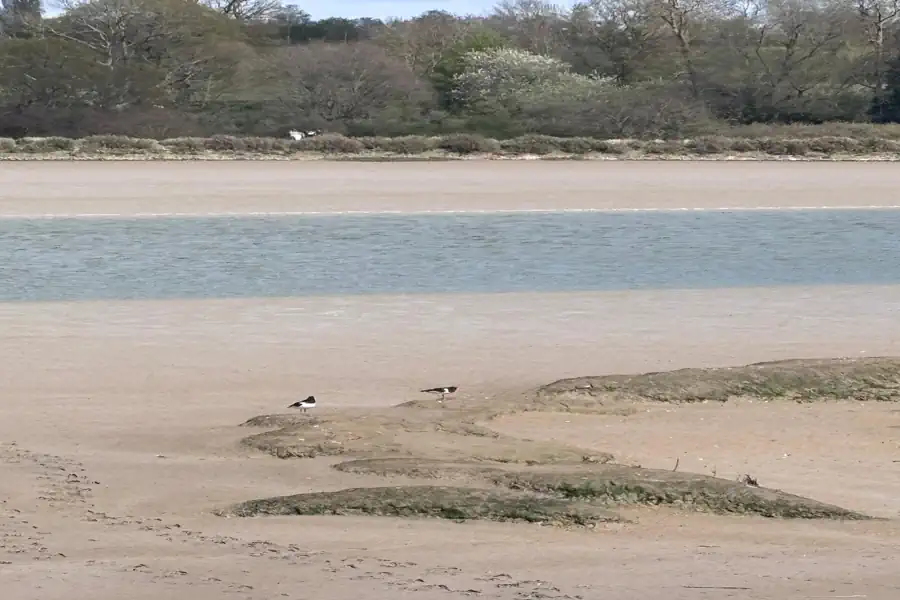
Essex BNG at Priors Farm
Essex BNG at Priors Farm

Somerset BNG Scheme
Trinity Farm & Eastcombe Fields
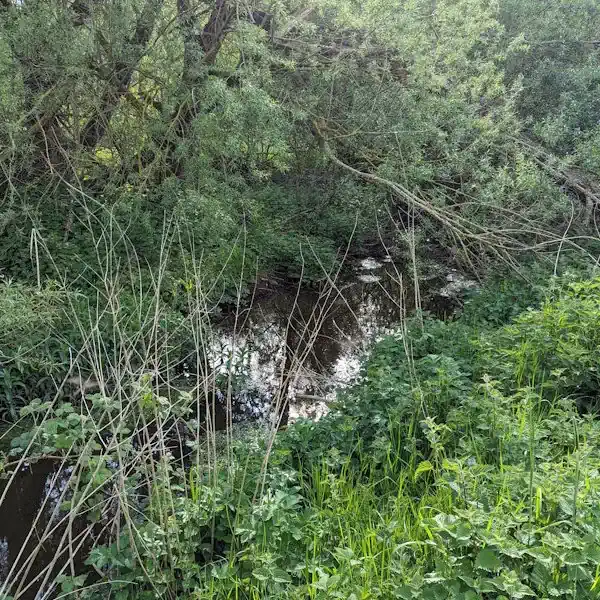
Tees Nutrient Mitigation
Tees Nutrient Mitigation Scheme
.jpg)
Wiltshire BNG at Lydeway
Land at Lydeway
.jpg)
Herefordshire BNG at Hampton Wafre
Hampton Wafre Farm
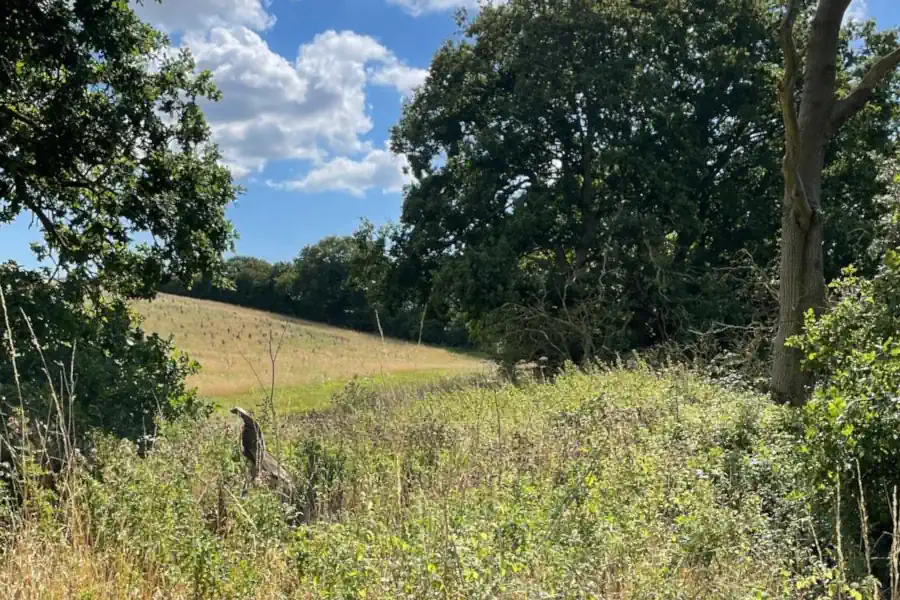
Essex BNG at James Farm
James Farm (Weeleys)
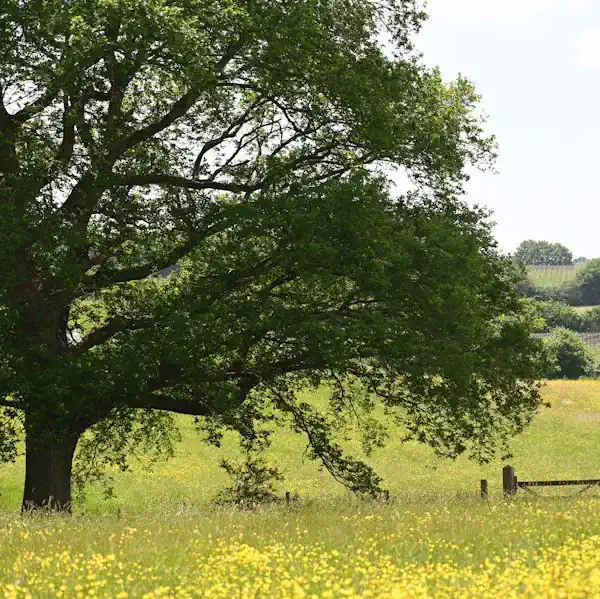
Kent BNG Scheme
Haffenden Habitat Bank
Are you looking to start a BNG scheme?
Talk to Greenshank and explore the opportunities we offer through your land.
Latest News
Ten clear reasons why maintaining biodiversity matters, from food security and flood regulation to climate resilience, medicine, and wellbeing.
Practical ways to increase biodiversity in the UK, from wildlife-friendly gardens to habitat banking and biodiversity net gain for landowners.
Real-world examples of how biodiversity net gain is being achieved in the UK, on site measures, habitat banking, and integrated approaches.