
Biodiversity Net Gain
Since February 2024, most development in England must leave nature in a better state than it found it. Here's what that means in practice.
Trusted by Developers and Landowners







What is Biodiversity Net Gain?
Biodiversity means the variety of life. Not just the number of species, but the diversity within species, between species, and across entire ecosystems. A species-rich woodland with varied age structure and abundant deadwood has high biodiversity. A grass monoculture (one species planted uniformly across an area) has low biodiversity.
Net gain means achieving a measurable increase. Not just replacing what was lost. Not mitigating damage. Actively improving.
Since February 2024, most development in England must deliver a 10% biodiversity net gain (BNG). This means leaving biodiversity in a measurably better state than before construction began.
This applies to housing estates, commercial buildings, infrastructure projects, and nearly every other form of development that requires planning permission. The few exemptions include small household extensions and some permitted development rights.
How BNG Works
Development impacts are measured by the Department for Environment, Food and Rural Affairs (DEFRA) and Natural England, the government's adviser for the natural environment. They calculate biodiversity value based on:
Habitat type - A hectare of ancient woodland scores far higher than a hectare of amenity grassland.
Habitat condition - Well-managed species-rich grassland delivers more units than degraded, species-poor grassland of the same type.
Strategic location - Habitats that connect to nature recovery networks or local priority areas receive higher scores.
Habitat creation or enhancement must be legally protected for at least 30 years. This protection uses formal agreements (such as a Section 106 planning obligation or a conservation covenant) that bind future landowners. Annual monitoring reports prove the habitats are delivering what was promised.
The 10% Requirement
These factors are converted into standardised biodiversity units - a scoring system that puts a number on nature's value. A development might lose 50 units of habitat. To achieve 10% net gain, developers would need to create or enhance habitat worth 55 units or more.
The State of UK Biodiversity
According to Natural England's 2023 assessment, only 14% of England's habitats are in good ecological condition. We've lost 97% of our wildflower meadows since the 1930s. Hedgerow networks have been halved. Wild bee populations have crashed by over 50% since the 1980s, with knock-on effects for crop pollination and food security.
Development has historically made this worse. For decades, planning policy required developers to avoid harm where possible and mitigate unavoidable impacts, but the net result was still habitat loss. Even well-intentioned "no net loss" policies failed to reverse the trend.
BNG changes this. For the first time, the planning system actively requires biodiversity increase rather than simply slowing its decline.
.png)
Resources for Landowners

Commercial Considerations
Better understand the BNG market and how decisions you make at the start of the project can impact later on.
Landowner eligibility
Understand if you are eligible and your legal commitments if you undertake a BNG scheme.

Nutrient Neutrality
If you are considering combining nutrients and BNG, we explain the complexities of a Nutrient Neutrality scheme.
Looking to Create a BNG Scheme?
If you are considering a BNG or nutrient scheme, get in touch to understand how to ensure maximum benefit from your scheme.
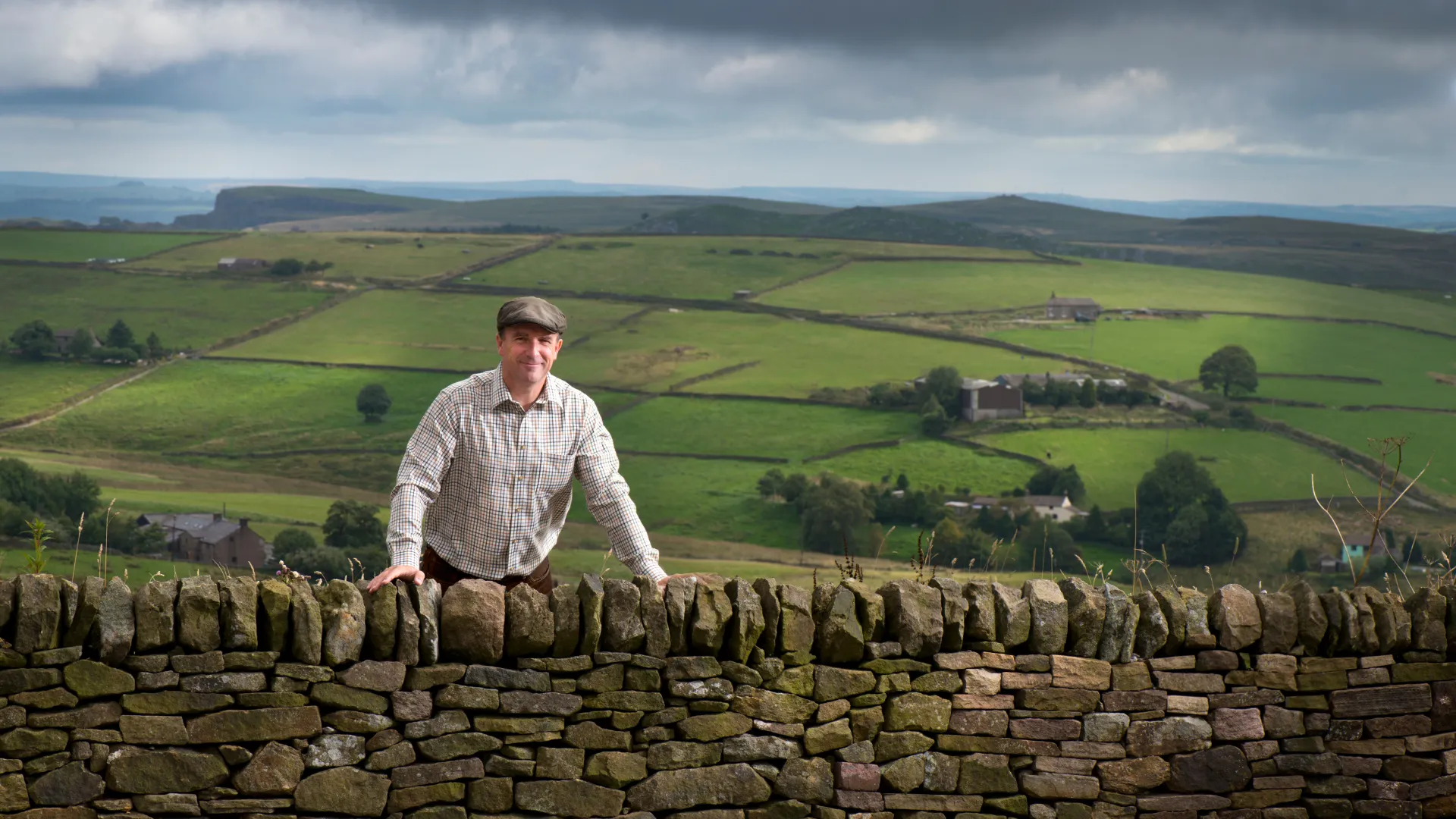
Why Work with Greenshank
We guide landowners through the entire process
From initial assessment through habitat design, regulatory approval, legal security, implementation, credit registration, and sales - we handle the complexity. You provide the land and make key decisions, we deliver the project.
We only succeed when you do
We don't ask you to sell your land or sign restrictive leases extracting value for others. We work at risk and only get paid when your project succeeds, aligning our interests with yours.
Fair commercial terms
You maintain ownership of your land. We handle the technical and commercial complexity. You receive the majority of the value from unit sales.
Industry-leading ecological and commercial expertise
We create schemes to the highest ecological standards, ensuring habitats thrive and deliver the biodiversity improvements promised. Our understanding of both the ecology and the BNG market means we can design schemes that maximise returns while delivering genuine environmental benefit.

Resources for Landowners
Commercial Considerations Better understand the BNG market and how decisions you make at the start of the project can impact later on. Read more
Landowner Eligibility Understand if you are eligible and your legal commitments if you undertake a BNG scheme. Read more
Nutrient Neutrality If you're considering combining nutrients and BNG, we explain the complexities of a Nutrient Neutrality scheme. Read more
Avoid losing biodiversity that cannot be offset by gains elsewhere
This ensures that irreplaceable habitats and species are preserved, recognizing that some losses cannot be adequately compensated by enhancements in other locations.
Address risks
Scheme developers are required to manage and mitigate risks to biodiversity. This ensures that potential negative impacts on biodiversity are identified, assessed, and minimised throughout the development process.
Create a Legacy
BNG projects must be sustainable over the long term. This includes committing to a minimum 30-year period for the management and maintenance of enhanced or created habitats. Long-term plans should include monitoring, adaptive management, and contingency measures to address unforeseen challenges.
Stakeholder Engagement
Effective BNG requires the involvement of various stakeholders, including developers, landowners, local communities, and environmental organisations. Engagement ensures that biodiversity objectives align with local ecological, social, and economic contexts and that projects gain broader support and legitimacy.

Integration with Local and National Strategies
BNG initiatives should be integrated with local biodiversity action plans and national conservation strategies. This alignment ensures that BNG projects contribute to broader ecological networks and landscape-scale conservation goals, enhancing habitat connectivity and resilience.
Optimise Sustainability
BNG schemes should promote sustainable practices. This ensures that biodiversity enhancements are not only beneficial in the short term but also support long-term ecological health and resilience.
Monitoring and Management
Regular monitoring and reporting on the progress and effectiveness of BNG measures deployed to ensure compliance with agreed-upon biodiversity targets. Schemes must be managed to achieve these targets.
Stakeholder Engagement
BNG Schemes must be shown to be financially viable for the 30 year period and that all of the long-term monitoring and management requirements can be secured.

Frequently Asked Questions
Your BNG questions answered.
It depends on the habitat type. Some habitats like species-rich grassland or wood pasture can be grazed as part of their management. Others like dense woodland or wetland take land out of agricultural production. We assess what works for your situation.
A minimum of 30 years, legally secured through a Section 106 agreement or conservation covenant. This protects both you and developers buying units - they need certainty the habitat will persist, and you receive payment reflecting that long-term commitment.
Payments are made when units sell to developers. The typical structure is a deposit when the sale is agreed, with full payment released when the developer allocates the units to their project.
An NCA is a distinct region of England defined by its landscape, biodiversity, and geographical features. England is divided into 159 NCAs. Developers prefer buying units from within their own NCA because units from outside their NCA trigger spatial multipliers - they must buy more units to achieve the same biodiversity gain. This means habitat banks in high-development NCAs with limited supply can command higher prices.
Habitat management and annual monitoring to prove the habitat is reaching and maintaining target condition. Management requirements vary by habitat type - a wildflower meadow needs annual cutting and removal, woodland needs thinning and deadwood management. These costs must be factored into the scheme's financial viability.
The tax treatment of BNG income is complex and depends on how the scheme is structured. Proceeds may be treated as trading income or, in some instances, capital gains, with significant implications for income tax, VAT, agricultural property relief, and inheritance tax. Simple amendments to agreements can sometimes improve your tax position substantially. We strongly recommend seeking specialist tax and legal advice before committing to a scheme. What works for one landowner may not suit another's circumstances.
Discover Our Projects
Restoring ecosystems and creating sustainable habitats
through BNG and nutrient mitigation.
.avif)
.jpeg)
BNG
Somerset BNG Scheme

Nutrient Neutrality
Tees Nutrient Mitigation
.jpeg)
BNG
Test Valley BNG Scheme
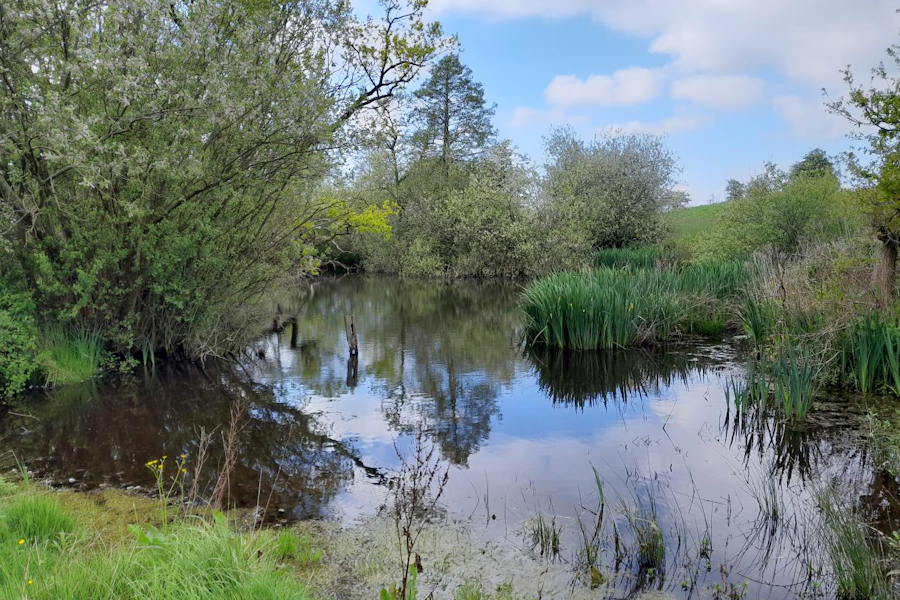
BNG
Cheshire West and Chester BNG Scheme
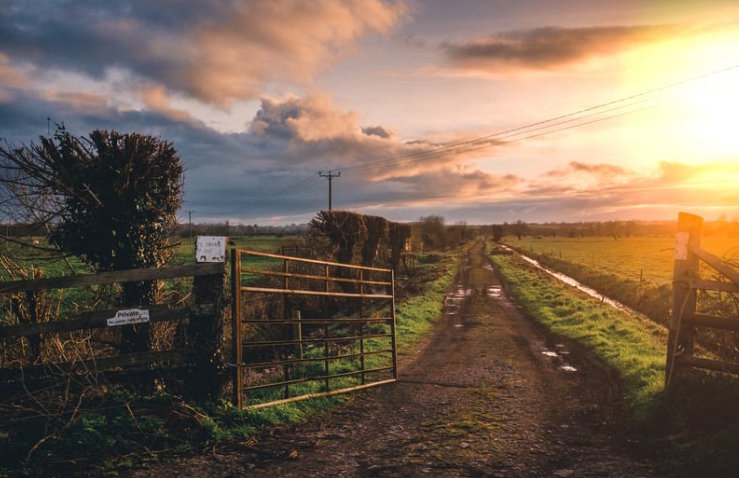
BNG
High Weald BNG Scheme
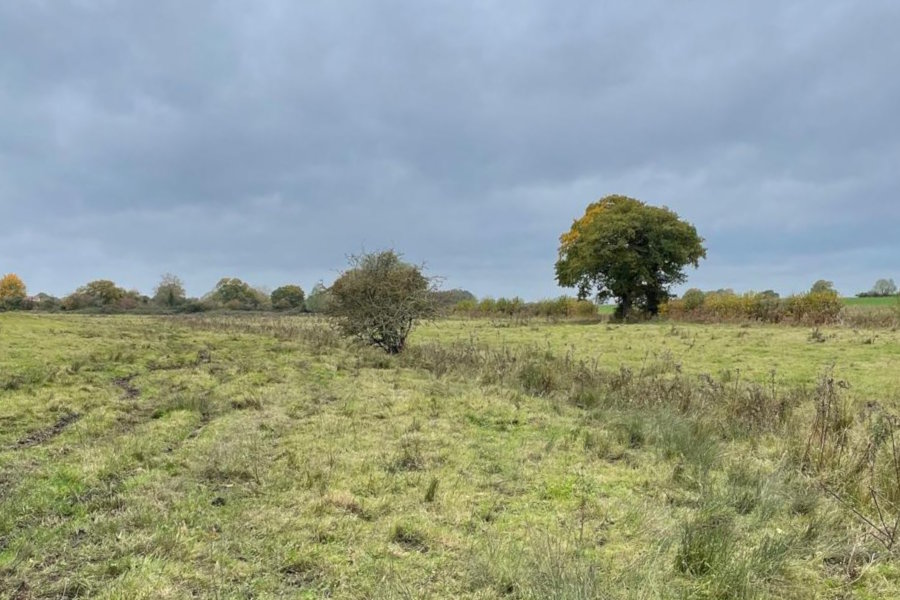
Nutrient Neutrality
Yare Nutrient Mitigation

Nutrient Neutrality
Stodmarsh Nutrient Mitigation
Latest News

BNG Landowner Eligibility Criteria
Understand Eligibility Criteria and Legal Requirements.

Letter to Rishi Sunak
A letter written to The Rt Hon Rishi Sunak MP
.png)
Nutrient Mitigation Action Plan
Are you looking to start a BNG scheme?
Talk to Greenshank and explore the opportunities we offer through your land.