
How Our Units and Credits Are Secured
Our BNG units are legally secured for at least 30 years by a Section 106 agreement or conservation covenant, and recorded on Natural England's public register.
Our nutrient neutrality credits are secured in perpetuity by Section 106 agreements.

Trusted by Developers and Landowners







BNG Units Are Legally Secured
Every Greenshank habitat bank is legally secured for at least 30 years, using either a Section 106 agreement with the local council or a conservation covenant with a responsible body designated by Defra.
Both agreements bind the land itself, not the landowner. If the land is sold or passes to someone else, the obligations to create, manage and monitor the habitat go with it.
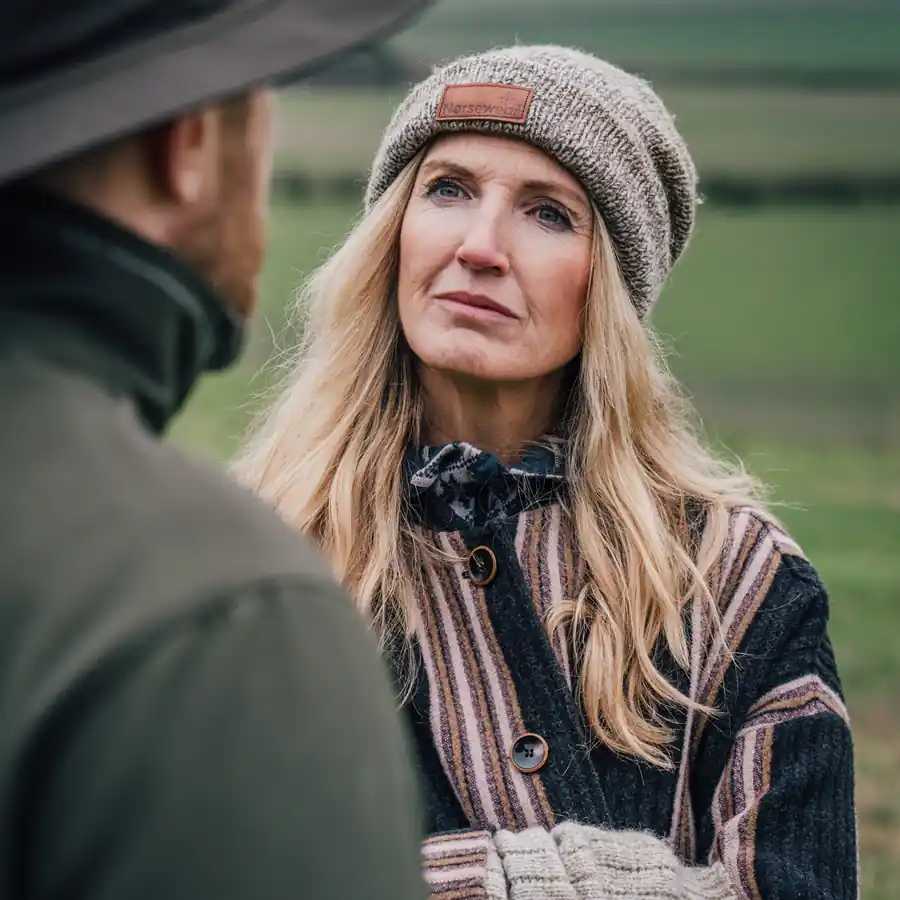
Recorded on Natural England's Register
Our habitat banks are registered on the Biodiversity Gain Sites Register, Natural England's official public record of off-site gain sites in England.
Every sale of units is recorded on the register against the development it supports, so the same units can never be counted twice.
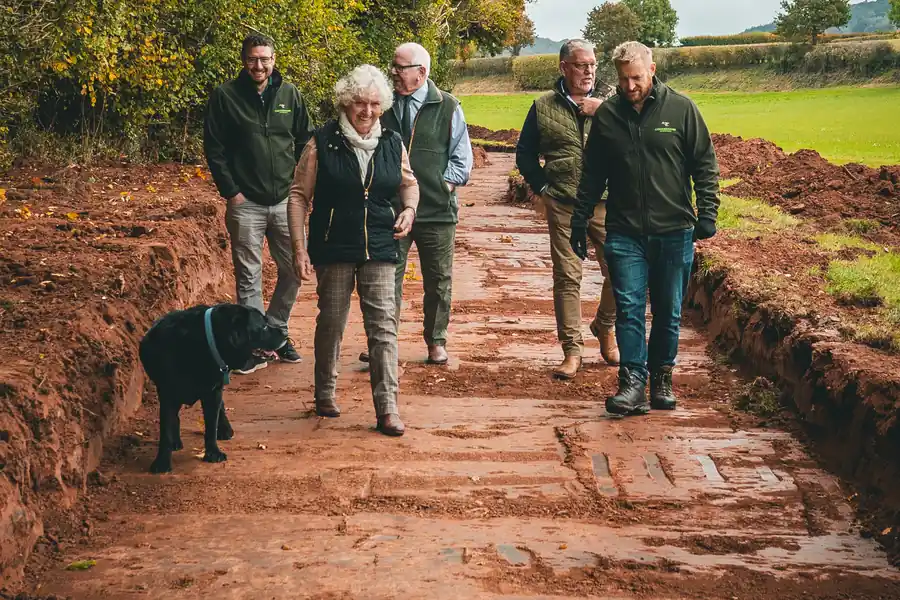
Looked After for at Least 30 Years
When you buy BNG units, the long-term obligations stay with the habitat bank under its legal agreement. A habitat management and monitoring plan sets out what has to be done on each site, and when.
Obligations last at least 30 years
Reports go to the council or responsible body
No ongoing liability for developers
What Happens When You Buy BNG Units
Reserve and Sign
Choose a scheme in our buying tool and pay a £150 deposit to hold your units for 30 days. Sign the contract to complete the purchase.
Allocation Is Recorded
Your purchase starts the allocation of your units to your development on Natural England's register. This can take up to 6 weeks, in line with Natural England guidance.
Use It in Planning
Once the allocation is recorded, we issue your certificates to include in your planning submission. The obligations to deliver and maintain the habitat stay with the habitat bank, not with you.
Nutrient Neutrality Credits Are Secured in Perpetuity
Our nutrient neutrality credits are secured in perpetuity with Section 106 agreements, and every nutrient scheme has a full management and monitoring plan. Credit calculations follow Natural England's nutrient neutrality methodology.
As with BNG units, once you buy there is no ongoing liability for the developer.

Built on Natural England's Guidance
Every BNG scheme is assessed by qualified ecologists using the statutory biodiversity metric, so the units you buy are the units your planning authority expects to see.
On nutrients, we co-developed Natural England's nutrient neutrality guidance. Our CEO, Gabriel Connor-Streich, wrote all but one piece of it, and we design our schemes to the rules we helped write.

Open, Online Buying
We built the UK's first self-serve platform for buying BNG units and nutrient credits online. You can see which schemes have stock and what units cost before you speak to anyone, then reserve in minutes from £150.
Assurance FAQ
How our units and credits are secured, in plain terms.
A Section 106 agreement is made with the local planning authority. A conservation covenant is made with a responsible body, an organisation designated by Defra to hold and enforce covenants. Either can be used to register a biodiversity gain site, and both bind the land for at least 30 years.
Search Natural England's Biodiversity Gain Sites Register by gain site reference, planning reference or local planning authority. Ask us for the gain site reference of the scheme you are buying from.
No. Every allocation is recorded on Natural England's register against a specific development, which prevents double counting.
The habitat bank is, not the developer. The legal agreement requires the site to be managed until it reaches and keeps its target condition, and the council or responsible body can enforce it.
Monitoring follows the schedule in each scheme's management and monitoring plan, and reports go to the council or responsible body that holds the legal agreement.
We co-developed Natural England's nutrient neutrality guidance, and our CEO wrote all but one piece of it. Natural England also runs the Biodiversity Gain Sites Register, where our habitat banks are registered.
Questions About a Scheme?
Talk to our team about the legal agreement, register entry or monitoring plan for any of our schemes.
Latest News
Find out which developments are exempt from mandatory BNG, what the de minimis exemption means, and what is not exempt from biodiversity net gain.
Understand what biodiversity net gain is, how BNG is calculated, and how to buy or sell biodiversity units in England.

Natural England's first draft Environmental Delivery Plan would let developers discharge their nutrient obligations in the Norfolk Broads and Wensum catchments by paying a levy. This is our full response to the consultation.