
Walsall LPA BNG
Discover key habitats, BNG requirements, and planning guidance for developers in Walsall LPA Local Planning Authority.

.avif)
Trusted by Developers and Landowners







Biodiversity Net Gain in Walsall LPA Local Planning Authority
Walsall, situated in the West Midlands, is a predominantly urban Local Planning Authority (LPA) within the Black Country conurbation. Covering approximately 103 square kilometres, the borough encompasses the town of Walsall along with surrounding settlements including Bloxwich, Willenhall, and Aldridge. The area features a mix of urban and suburban landscapes alongside pockets of green spaces, waterways, and remnant natural habitats.
Walsall Metropolitan Borough Council supports the Environment Act 2021’s Biodiversity Net Gain (BNG) mandate. Most developments are required to deliver a minimum 10% net gain in biodiversity through habitat creation or enhancement onsite or via verified off-site biodiversity units.
The LPA falls within the Cannock Chase and Cank Wood National Character Area, characterised by a post-industrial landscape interspersed with urban greenspaces, canals, and fragmented semi-natural habitats. Priority habitats include ancient and semi-natural broadleaved woodland, lowland heathland remnants, and species-rich grasslands.
For developers, planners, and landowners in Walsall, understanding the local ecological context and planning policies is crucial to meeting BNG requirements. Our team provides support with ecological assessments, habitat mapping, and access to local biodiversity credit schemes.
Contact us or register for updates on BNG opportunities in Walsall.
Habitats in Walsall LPA Local Planning Authority
.avif)
Walsall’s landscape is influenced by the Black Country National Character Area, combining urban development with patches of semi-natural habitats and green corridors.
Grassland Habitats
Improved grasslands are widespread in parks, green spaces, and urban fringe areas.
Small remnants of species-rich grassland and lowland heathland exist in certain urban green spaces.
Woodland and Forest Habitats
Ancient and semi-natural broadleaved woodlands occur in pockets across the borough, mainly in parks and along river corridors.
Secondary woodlands and tree belts contribute to habitat connectivity within urban areas.
Wet woodlands occur adjacent to waterways and canal corridors.
Heathland and Shrub
Lowland heathland remnants are limited but present on some brownfield and urban fringe sites.
Scrub habitats provide important cover and transitional habitat for wildlife.
Wetland and Watercourse Habitats
Canals, rivers such as the Tame and the Wyrley and Essington Canal, and associated wetlands support a variety of aquatic and riparian species.
Urban ponds, reedbeds, and drainage ditches add to wetland diversity.
Cropland Habitats
Agricultural land on the urban fringe consists mainly of improved pasture and some cropping.
Hedgerows and Linear Features
Species-rich hedgerows remain important linear features and wildlife corridors throughout the borough.
Walsall LPA BNG Planning
Protecting and enhancing high distinctiveness habitats like ancient woodland, lowland heathland remnants, and wet woodland is key to delivering significant biodiversity uplift in Walsall.
Improving lower distinctiveness habitats such as improved grasslands, urban brownfield sites, and hedgerows through native planting and connectivity enhancement offers practical BNG solutions in this urban setting.

Walsall
Bloxwich
Willenhall
Aldridge
Darlaston
Get notified of a scheme
We do not currently have any schemes covering this LPA.
Get notified when a scheme is available in this area.
Discover Schemes in
Walsall LPA
LPA
Restoring ecosystems and creating sustainable habitats
through BNG and nutrient mitigation.
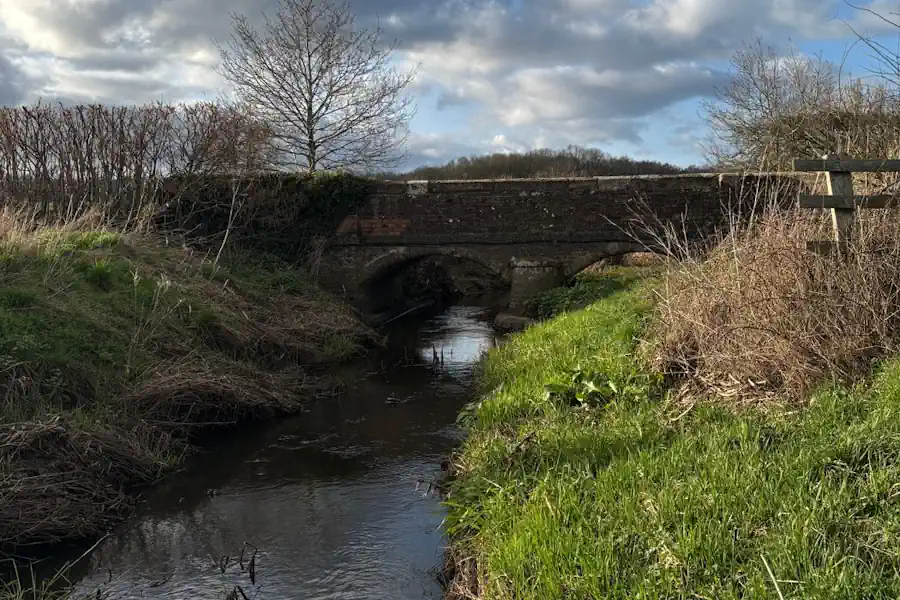
Shavington Estate
Shavington Estate
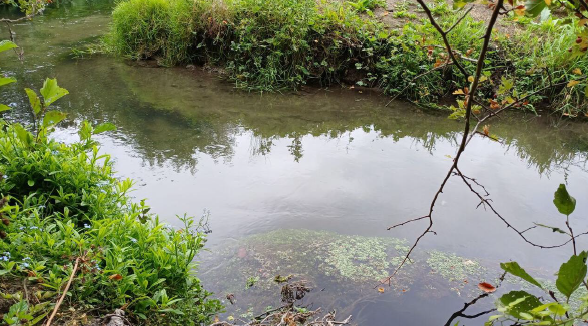
Hurst Farm
Hurst Farm
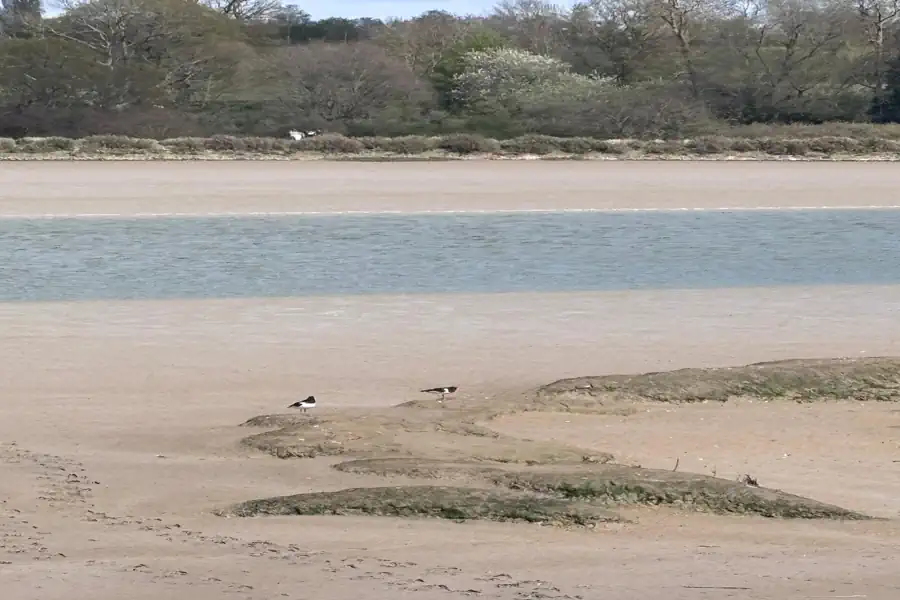
Essex BNG at Priors Farm
Essex BNG at Priors Farm

Somerset BNG Scheme
Trinity Farm & Eastcombe Fields
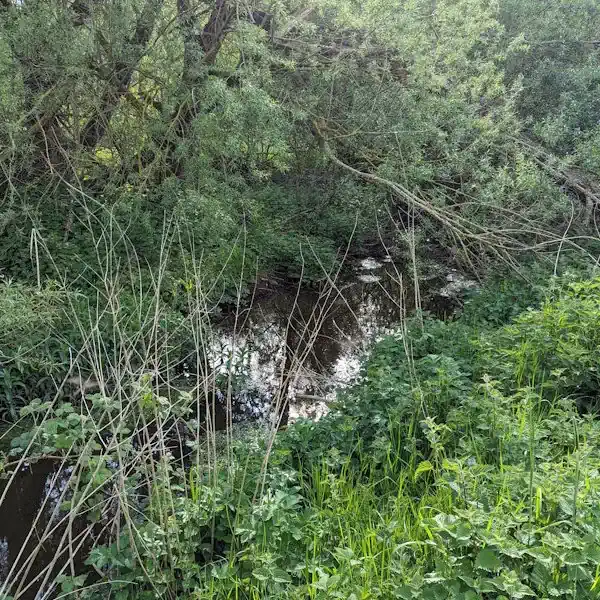
Tees Nutrient Mitigation
Tees Nutrient Mitigation Scheme
.jpg)
Wiltshire BNG at Lydeway
Land at Lydeway
.jpg)
Herefordshire BNG at Hampton Wafre
Hampton Wafre Farm
Are you looking to start a BNG scheme?
Talk to Greenshank and explore the opportunities we offer through your land.
Latest News
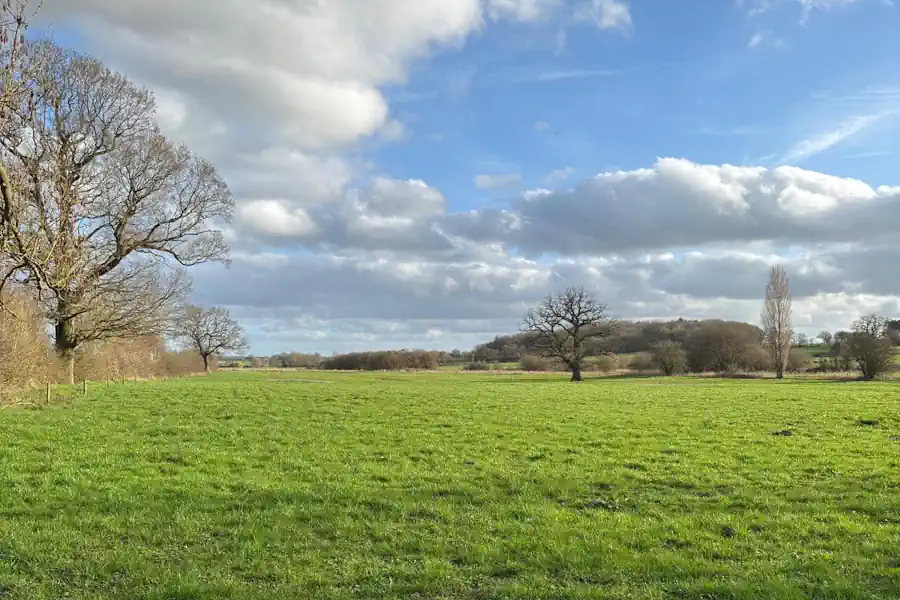
A step-by-step guide for landowners looking to sell their land as BNG units, and how Greenshank can help at every stage of the process.
.webp)
Find out how biodiversity net gain legislation works under the Environment Act 2021, what it requires, and which developments are exempt.
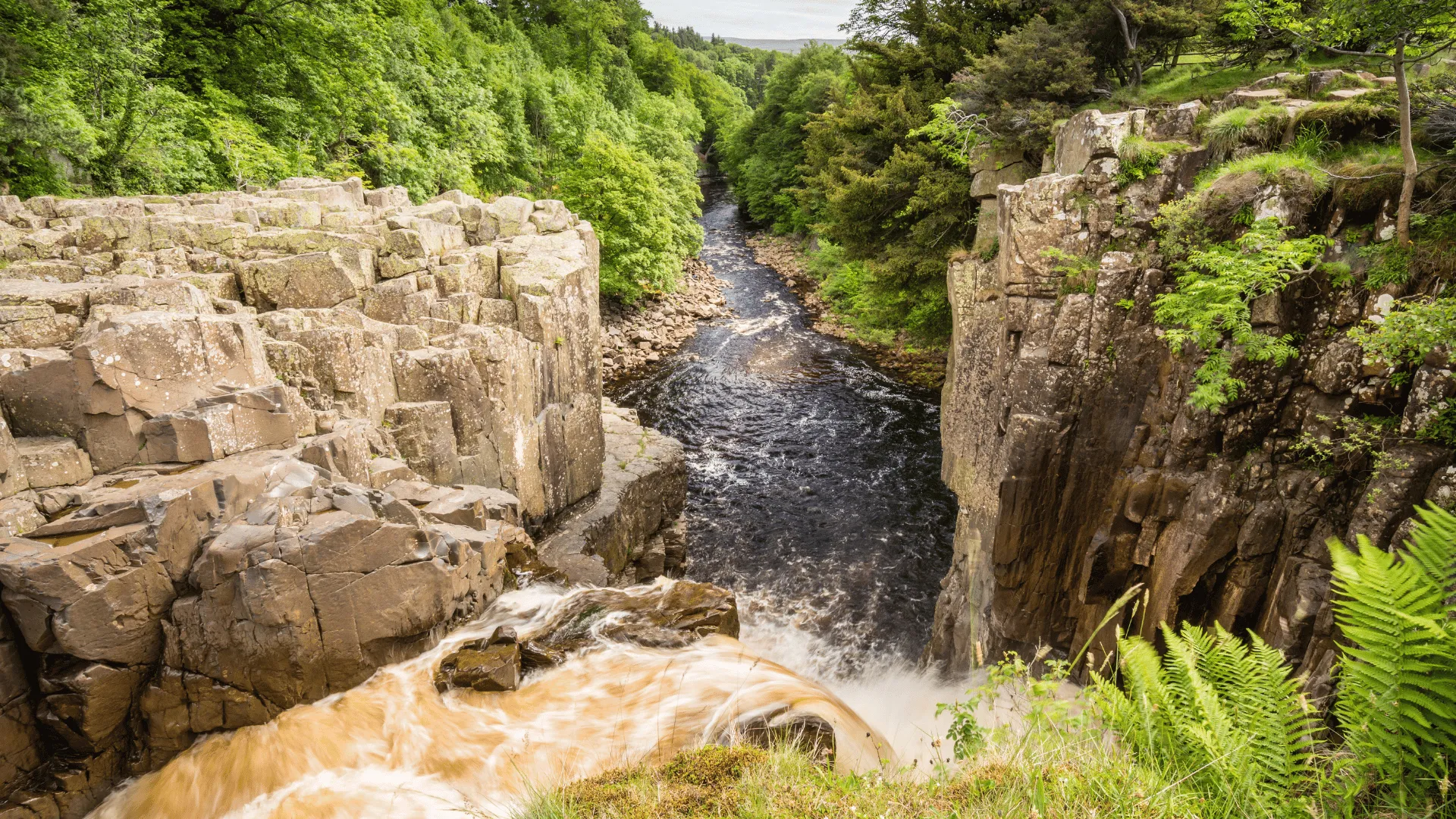
Find out how nutrient mitigation schemes work for landowners, how nutrient credits are generated, and how to combine nutrient and BNG income.