
Brentwood LPA BNG
Discover key habitats, BNG requirements, and planning guidance for developers in Brentwood LPA Local Planning Authority.

.avif)
Trusted by Developers and Landowners







Biodiversity Net Gain in Brentwood LPA Local Planning Authority
Brentwood, located in Essex within the East of England, is a semi-rural Local Planning Authority (LPA) characterised by a mix of suburban development, market towns, and greenbelt countryside. Covering approximately 137 square kilometres, Brentwood town serves as the principal urban centre, alongside villages such as Shenfield, Ingatestone, and Warley.
Brentwood Borough Council supports the Environment Act 2021’s Biodiversity Net Gain (BNG) requirements, with most developments required to secure a minimum 10% net gain in biodiversity. This gain can be delivered through habitat creation, enhancement, or verified off-site biodiversity units.
The district lies mainly within the Northern Thames Basin National Character Area, featuring habitats such as ancient and secondary woodlands, lowland meadows, hedgerows, and river valley wetlands.
Understanding Brentwood’s varied landscape and ecological assets is essential for effective BNG delivery. Our team offers ecological assessments, metric calculations, and connections to local habitat banks to support developers, landowners, and planners.
Contact us or register to be notified of BNG opportunities in Brentwood.
Habitats in Brentwood LPA Local Planning Authority
.avif)
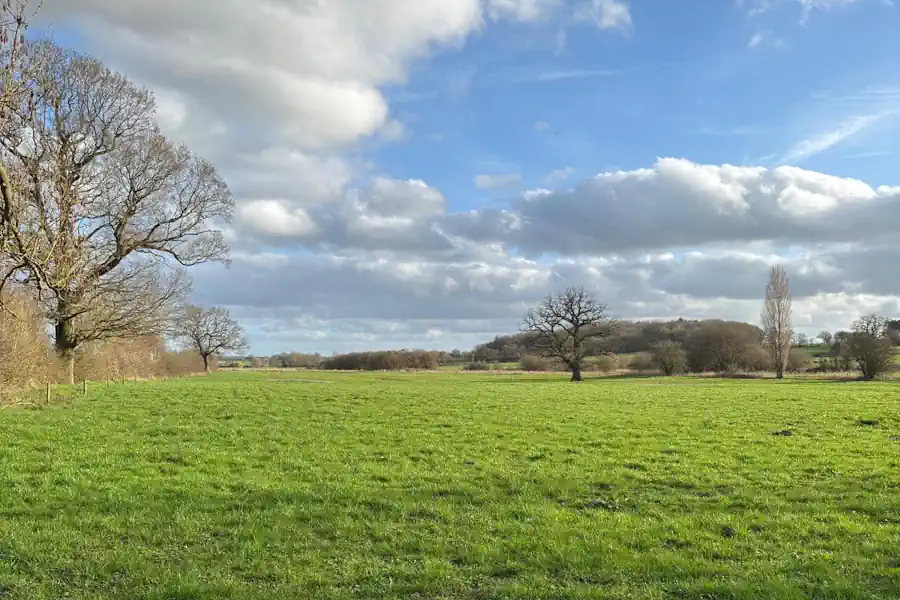
Brentwood’s landscape includes a blend of suburban, rural, and greenbelt habitats.
Grassland Habitats
Lowland meadows and neutral grasslands are found in designated greenbelt and local wildlife sites.
Improved grassland occurs across farmland and parkland but can be enhanced for biodiversity.
Woodland and Forest Habitats
Ancient woodlands, such as parts of Thorndon Country Park, are prominent features supporting diverse flora and fauna.
Secondary woodlands, parklands, and veteran trees add to the habitat mosaic.
Heathland and Shrub
Small areas of lowland heathland and scrub exist, especially on sandy soils, supporting specialist species.
Wetland and Watercourse Habitats
River valleys, including the River Wid, feature wet meadows, ponds, and reedbeds.
Drainage ditches and small wetlands contribute to habitat diversity.
Cropland Habitats
Arable and mixed farming are common, with scope to establish field margins and buffer strips for biodiversity gain.
Hedgerows and Linear Features
Species-rich hedgerows form important corridors linking woodlands and grasslands across the district.
Brentwood LPA BNG Planning
Priority habitats for BNG include ancient woodland, lowland meadow, and river valley wetland complexes, offering high biodiversity uplift.
Enhancing lower distinctiveness habitats such as improved grassland, arable margins, and hedgerows presents practical options for on-site and off-site BNG.

Brentwood
Shenfield
Ingatestone
Get notified of a scheme
We do not currently have any schemes covering this LPA.
Get notified when a scheme is available in this area.
Discover Schemes in
Brentwood LPA
LPA
Restoring ecosystems and creating sustainable habitats
through BNG and nutrient mitigation.
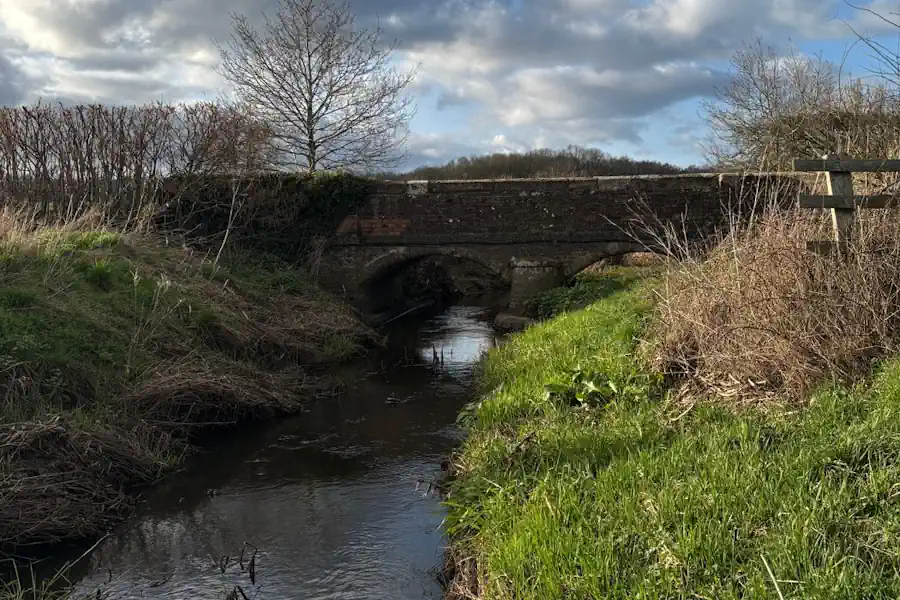
Shavington Estate
Shavington Estate
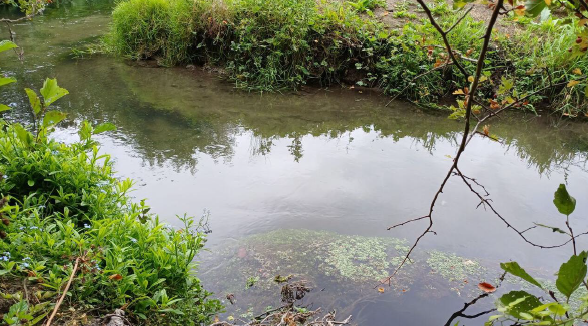
Hurst Farm
Hurst Farm
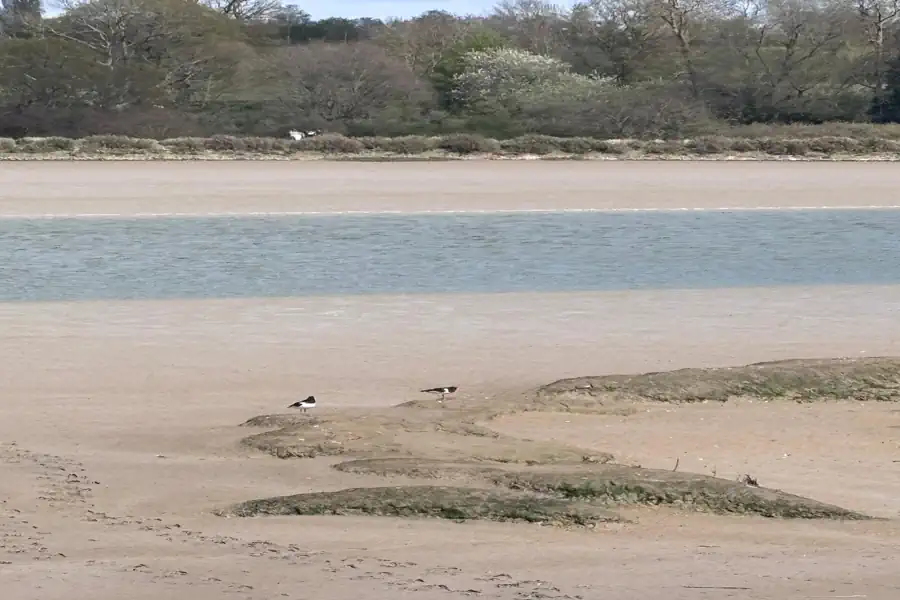
Essex BNG at Priors Farm
Essex BNG at Priors Farm

Somerset BNG Scheme
Trinity Farm & Eastcombe Fields
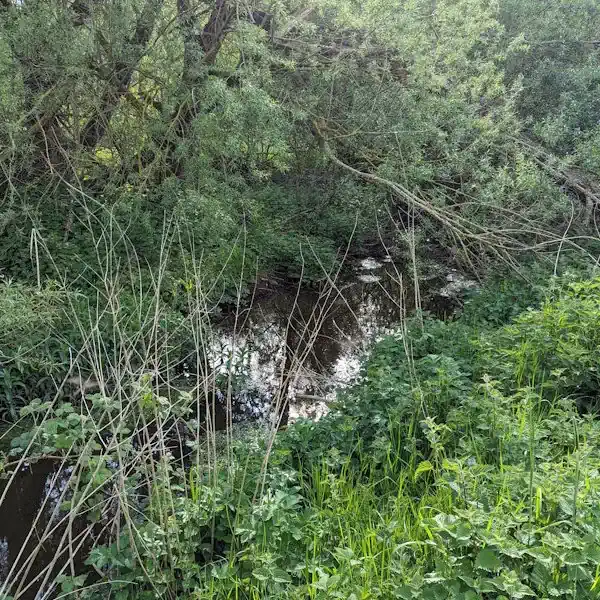
Tees Nutrient Mitigation
Tees Nutrient Mitigation Scheme
.jpg)
Wiltshire BNG at Lydeway
Land at Lydeway
.jpg)
Herefordshire BNG at Hampton Wafre
Hampton Wafre Farm
Are you looking to start a BNG scheme?
Talk to Greenshank and explore the opportunities we offer through your land.
Latest News
A step-by-step guide for landowners looking to sell their land as BNG units, and how Greenshank can help at every stage of the process.
.webp)
Find out how biodiversity net gain legislation works under the Environment Act 2021, what it requires, and which developments are exempt.
Find out how nutrient mitigation schemes work for landowners, how nutrient credits are generated, and how to combine nutrient and BNG income.